mbroidered vs Woven Patches: Key Differences, Pros & Best Applications
Embroidered patches and woven patches are the two most popular textile patch options worldwide. Many buyers struggle to tell them apart and end up choosing the wrong craft, resulting in blurred details, unsatisfactory texture or mismatched budget.
Although both are made from threads, their production techniques, visual effects, thickness, detail performance and service life vary greatly. This guide makes a full comparison from craft principles, advantages, limitations, cost and applicable scenarios, helping you quickly decide between embroidered and woven patches for your custom project. Custom 3D embroidered patches offers both embroidered and woven patches to meet diverse customization demands.

Basic Craft Introduction
What Are Embroidered Patches
Embroidered patches are made by stitching colored threads onto a base fabric. Threads pile up layer by layer to form patterns, creating an obvious raised three-dimensional surface. It is the most classic and traditional patch craft with a strong tactile feel.
What Are Woven Patches
Woven patches adopt professional weaving technology. Different colored threads are interlaced together during the weaving process to directly form patterns and text. The surface is flat, thin and smooth, with no raised stitches. It excels at restoring tiny and complex details.
Core Comparison: Embroidered VS Woven Patches
1. Texture & Thickness
- Embroidered Patches: Thick, soft and raised. Visible stitch texture, strong three-dimensional sense and tactile feeling. Thick overall structure.
- Woven Patches: Ultra-thin, completely flat. Smooth surface, almost flush with fabric after attachment, no bulging. Lightweight and slim.
2. Detail Performance
- Embroidered Patches: Limited in fine details. Too thin lines or mini text will merge and become blurry. Works better for bold patterns, large text and color blocks.
- Woven Patches: Outstanding in tiny details. Can clearly present ultra-fine lines, small letters, complex logos and delicate patterns that embroidery cannot achieve.
3. Color Performance
- Embroidered Patches: Rich solid color blocks. Color layering is obvious, but gradual color transition is hard to realize. Color contrast is strong and eye-catching.
- Woven Patches: Supports soft color transition and subtle color changes. Restores brand standard colors more accurately, with gentle visual tone.
4. Durability & Wash Resistance
- Embroidered Patches: High density embroidery has excellent wear resistance. Thick threads are not easy to wear out, suitable for long-term use and frequent washing. Individual loose threads may appear after years of use.
- Woven Patches: Tight weaving structure prevents fraying. The whole piece is integrated, no loose threads. Thin texture is not easy to damage, but excessive friction may cause surface fluffing.
5. Shape & Border Adaptability
- Embroidered Patches: Matches regular shapes well. Merrow edge is the mainstream choice to fix edges and prevent thread fraying. Complex irregular outlines are not recommended.
- Woven Patches: Flexible for various shapes. Heat cut or borderless design looks neat. Perfect for small special-shaped labels and slim strips.
6. Price & MOQ
- Embroidered Patches: Moderate cost, cost-effective for medium and large sizes. Friendly to bulk orders.
- Woven Patches: Slightly higher unit price for high-precision weaving. More competitive for mini size and label-style patches.

Advantages & Disadvantages
Embroidered Patches
Pros
- Classic retro texture and prominent 3D effect, highly ornamental.
- Thick and sturdy, strong anti-wear ability for outdoor and high-friction scenes.
- Rich color blocks, eye-catching visual effect for team and sports logos.
- Various border options, strong overall three-dimensional layering.
Cons
- Poor performance on tiny text and ultra-fine lines.
- Relatively thick, not suitable for close-fitting thin clothing.
- Easy to have loose threads if the stitching density is low.
Woven Patches
Pros
- Ultra-thin and flat, comfortable to wear on all kinds of garments.
- Industry-leading detail restoration, ideal for complex logos and small texts.
- Integrated weaving structure, no thread fraying problem.
- Low-key and high-end appearance, fits brand labels and formal outfits.
Cons
- Lack of three-dimensional texture, single visual layering.
- Not suitable for large-area bold pattern design.
- Higher cost for large-size woven patches.
Best Application Scenarios
Choose Embroidered Patches If You Need:
- Team uniforms, sports jerseys, security uniforms and workwear with high washing frequency.
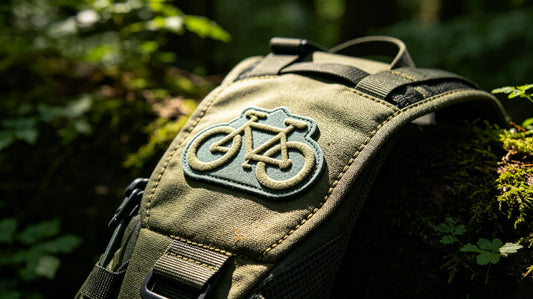
- Hats, backpacks, tactical gear and outdoor accessories that bear long-term friction.
- Retro style decorations, souvenir patches and decorative patches that pursue three-dimensional texture.
- Large patterns, bold logos and big character designs with no tiny details.
Choose Woven Patches If You Need:
- Brand clothing labels, size tags and mini logo marks.
- Business uniforms, medical uniforms and close-fitting outfits requiring flat surface.
- Logos containing lots of small text, fine lines and complex graphic details.
- Slim strip name patches, pocket marks and ultra-small decorative labels.
- High-end fashion apparel that focuses on minimalist and low-key style.

Backing & Border Matching Suggestions
For Embroidered Patches
- Long-term fixed use: Sew-on backing + Merrow edge (most durable combination).
- Temporary decoration: Iron-on backing, match heat cut edge for neat look.
- Outdoor gear: Velcro backing + thick merrow edge, stable and anti-fray.
For Woven Patches
- Clothing labels: Heat cut edge + sew-on or self-adhesive backing, ultra-flat.
- Formal uniforms: Borderless design + sew-on backing, integrated and elegant.
- Mini tags: Heat cut edge, avoid merrow edge which will increase thickness.
Common Selection Mistakes to Avoid
- Using embroidered patches for logos with lots of small text, leading to unreadable content.
- Choosing woven patches for outdoor high-friction gear, lacking three-dimensional texture and ornamental value.
- Picking low-density embroidery for work uniforms, causing rapid thread loosening after washing.
- Customizing large-size decorative patches with woven craft, increasing cost while losing visual impact.
- Adding thick merrow edge on woven labels, destroying the slim and flat advantage.

Final Summary
Embroidered patches = 3D texture, durable, eye-catching, for large patterns & daily wear
Woven patches = ultra-thin, high-precision details, low-key, for fine logos & clothing labels
If you prioritize stereo feeling, wear resistance and decorative effect, go for embroidered patches. If your design has tiny text, complex fine lines or requires ultra-flat wearing experience, woven patches are the better option.
Combining your design content, application carrier and budget can help you make the most suitable choice between these two classic textile patch crafts.

Frequently Asked Questions
Q1: Which is thinner, embroidered or woven patches?
A: Woven patches are much thinner and flatter.
Q2: Which craft is better for small text and fine logos?
A: Woven patches can clearly present ultra-fine details.
Q3: Which one is more durable for frequent washing?
A: High-density embroidered patches have stronger wear resistance.
Q4: What craft to choose for clothing brand labels?
A: Woven patches are the standard choice for brand tags.
Tags:
Previous
Custom Patches for Schools: Uniforms, Clubs, Events & Graduation Ideas
Next
3D Puff Embroidery Patches: Features, Design Tips & Usage Scenarios