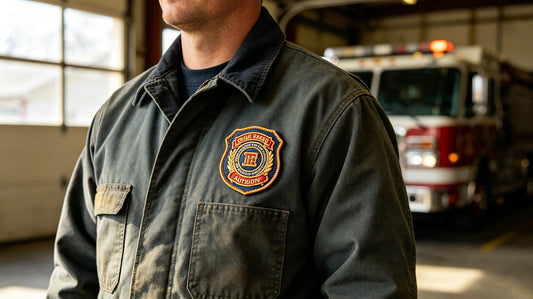
Iron-On Patches: Installation Steps, Pros, Cons & Troubleshooting Tips
Iron-on patches, also known as heat transfer patches, are favored by DIY enthusiasts and casual users for their tool-free and easy installation. With heat-activated glue on the backing, they can stick firmly to fabric simply by using a household iron, eliminating complicated hand sewing. However, many users encounter edge lifting, partial peeling and poor adhesion after short use, mostly due to incorrect temperature, operation steps or mismatched fabrics.
This complete guide covers everything about iron-on patches, including pre-install preparation, detailed step-by-step installation, applicable fabrics, advantages and limitations, plus practical solutions for common faults. Whether you are decorating clothes, repairing old garments or doing simple personalization, you can get reliable operation skills here. Custom 3D embroidered patches provides premium iron-on patch options for all daily decoration and repair needs.

How Iron-On Patches Work
A layer of hot-melt adhesive is coated on the back of iron-on patches. When heated to a specific temperature, the solid glue melts and penetrates into fabric fibers. After cooling down, the glue solidifies again, locking the patch and fabric together tightly. The bonding effect depends on temperature, pressure, heating time and fabric material.
Step-by-Step Installation Guide
Step 1: Prepare the items and environment
Take out the patch, household iron and a thin cotton protective cloth. Remove water from the iron and turn off the steam function completely. Clean the target fabric to remove dust, oil and lint, then flatten all wrinkles.
Step 2: Position the patch
Place the patch on the desired position with the adhesive side facing the fabric. Adjust the angle and position carefully, do not move it randomly after placement.
Step 3: Heat and press
Cover the patch fully with the protective cloth. Set the iron to medium-low temperature (cotton/linen gear). Press firmly on the cloth, keep static pressure instead of sliding back and forth. Hold for 15 to 25 seconds for each area. For large patches, divide into multiple sections to press evenly.
Step 4: Check and reinforce
Lift the cloth gently to check the adhesion. If edges are still loose, re-press for another 10 to 15 seconds. Pay extra attention to four corners and thin edges, which are the most prone to peeling.
Step 5: Cool and test adhesion
Leave the garment flat and let it cool naturally for at least 30 minutes. Do not pull or bend the patch during cooling. After full cooling, gently tug the edge to confirm firm bonding.
Suitable & Unsuitable Fabrics
Ideal Fabrics
- Cotton, denim, canvas, polyester-cotton blend: High temperature resistance, good glue penetration, best bonding effect.
- Thick woven fabrics: Stable texture, not easy to deform under heat and pressure.
Fabrics to Avoid
- Nylon, spandex, elastic knitted fabric: Low heat resistance, easy to melt, shrink or damage under iron heat.
- Leather, faux leather: High temperature will cause hardening, discoloration and cracking.
- Thin silk and sheer fabric: Fragile and easy to burn or leave iron marks.
- Water-repellent coated fabric: The coating blocks glue penetration, leading to permanent poor adhesion.

Main Advantages of Iron-On Patches
- Easy & Fast Installation: No needle, thread or professional skills needed, finish DIY decoration in minutes.
- Smooth Surface: No exposed stitches on the surface, neat and clean appearance.
- Cost-Effective: Lower overall cost compared with sew-on patches for short-term use.
- Wide Decoration Range: Perfect for covering stains, holes and worn areas on old clothes.
- Removable to a Certain Extent: Can be slowly peeled off with hot iron assistance when replacing styles.
Main Limitations
- Limited Durability: Hot-melt glue will gradually age after frequent washing and long-term friction, causing peeling.
- Strict Fabric Restrictions: Cannot be used on heat-sensitive materials.
- Poor Waterproof Performance: Long-time soaking will weaken the adhesive force.
- Not for High-Friction Areas: Easy to lift on shoulder straps, waistbands and frequently rubbed parts.
- Cannot Withstand High Temperature: Repeated ironing will damage the adhesive layer.

Daily Usage & Washing Rules
- Wait 24 hours after installation before the first wash, to ensure the glue is fully solidified.
- Turn clothes inside out before washing, use cold or lukewarm water and neutral detergent.
- Choose gentle washing mode, avoid strong stirring and long soaking.
- Do not scrub the patch area vigorously, prevent edge warping.
- Air dry naturally, do not use high-temperature dryer or direct sun exposure.
Common Problems & Troubleshooting Solutions
1. Patch edges lift after washing
Cause: Insufficient heating time or uneven pressure during installation.
Solution: Lay a protective cloth, re-press the lifted area with medium-low temperature iron for 10 seconds, cool naturally. Reduce washing frequency afterwards.
2. Patch falls off completely
Cause: Wrong fabric, steam not turned off or temperature too low.
Solution: If the patch is intact, apply a small amount of fabric hot melt glue on the back, reposition and heat press. Avoid using it on heat-sensitive fabrics next time.
3. Iron leaves marks on fabric
Cause: Too high temperature or no protective cloth.
Solution: Lower the iron temperature, always use cotton cloth for isolation. For light stains, wipe gently with a damp cloth after cooling.
4. Adhesive seeps out from patch edges
Cause: Excessively high temperature or overlong heating time.
Solution: Wipe the overflowed glue with a warm damp cloth immediately while it is soft. Control temperature and time in follow-up operations.

Usage Scenario Recommendations
Best Scenarios
- Short-term activity costumes, temporary event clothing
- DIY decoration for casual clothes, jeans and canvas bags
- Repairing small holes and stains on daily wear
- Children's clothing with low washing frequency
Not Recommended Scenarios
- Work uniforms, sports jerseys washed every day
- Outdoor gear and bags bearing long-term friction
- Heat-sensitive knitted clothes and leather products
- High-end garments requiring long-term neat appearance
Final Summary
Iron-on patches stand for simple operation and convenient DIY, but their durability is restricted by adhesive characteristics.
Stick to standard installation steps, use medium-low temperature and protective cloth, and match cotton, denim and other heat-resistant fabrics for the best effect. They are perfect for temporary decoration and garment repair. If you need long-term firmness for frequent washing and high friction scenes, sew-on patches will be a more reliable choice.
Master the installation and maintenance rules, and your iron-on patches can keep firm and beautiful for a long time.

Frequently Asked Questions
Q1: Do I need to turn off steam when using an iron for patches?
A: Yes, steam will destroy hot-melt glue and cause weak adhesion.
Q2: Can iron-on patches be used on nylon clothes?
A: Not recommended. Nylon is easy to shrink and melt under heat.
Q3: What to do if patch edges lift after use?
A: Reheat and press the lifted parts with an iron through a protective cloth.
Q4: How long to wait before washing newly applied iron-on patches?
A: Wait at least 24 hours to let the adhesive fully set.
Tags:
Previous
Woven Patches Vs Embroidered Patches: Full Comparison & How to Choose
Next
Velcro Patches Guide: Detachable Morale Patches, Pros, Cons & Best Uses