3D Puff Embroidery Patches 2026 | Complete Guide to Raised Puff Patches
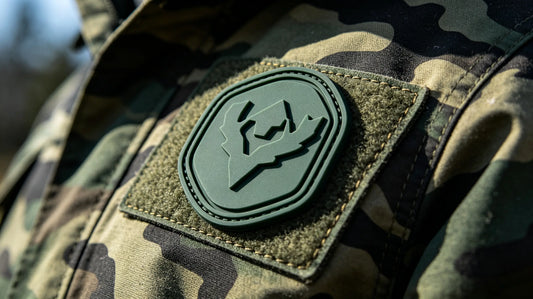
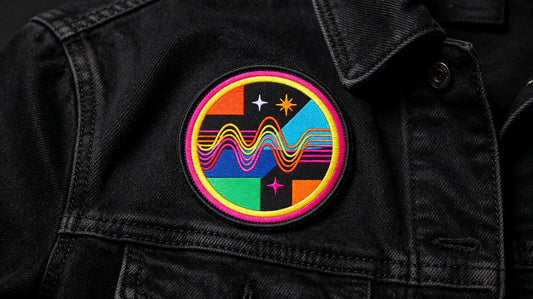
3D puff embroidery patches are the most popular premium upgrade in the custom patch industry. Unlike standard flat embroidered patches that lay flush on fabric, 3D puff patches feature a bold, raised, sculpted texture that pops off the garment surface. This elevated dimensional look instantly upgrades ordinary patches into high‑end, eye‑catching apparel accents.
Many customers love the bold 3D effect but do not understand its design limitations, durability differences, washing rules, and cost structure. Without proper design knowledge, artwork can result in collapsed puff areas, uneven texture, or distorted details.
This 2026 ultimate guide covers exactly how 3D puff patches are made, what designs work best, common mistakes to avoid, and how to keep your raised custom embroidered patches looking sculpted and new for years.

1. What Are 3D Puff Embroidery Patches?
3D puff patches are manufactured using a special foam layer placed underneath embroidery threads. Machines stitch densely over the foam, locking it securely in place. After stitching is finished, excess foam outside the embroidered border gets trimmed away. The trapped foam lifts threads upward, creating a soft, three‑dimensional, raised surface.
It is critical to understand that only the stitched areas become raised. Unstitched background twill sections of your patch remain flat. This contrast between raised embroidery and flat base fabric creates the signature pop‑out visual effect.
2. How 3D Puff Patches Compare With Flat Embroidered Patches
Texture & Appearance
‑ Flat embroidery: Smooth, flush, low‑profile surface against clothing ‑ 3D puff embroidery: Thick, raised, tactile sculpted texture, dramatic depth
Detail Performance
‑ Flat embroidery: Handles fine thin lines and small text well ‑ 3D puff embroidery: Thin lines and tiny letters risk foam collapse; bold shapes perform best
Stiffness
‑ Flat embroidery: Flexible and soft ‑ 3D puff embroidery: Noticeably firmer, less flexible
Price
‑ Flat embroidery: Standard baseline pricing ‑ 3D puff embroidery: Premium surcharge due to extra foam material and longer stitch time
Wear‑and‑Tear Behavior
‑ Flat embroidery: Threads wear slowly from surface friction ‑ 3D puff embroidery: Foam can flatten permanently under heavy, repeated pressure

3. Core Advantages of 3D Puff Patches
Highly Visible, Stand‑Out Look
The raised texture catches light differently from flat patches, making logos, lettering, and symbols instantly noticeable on vests, hats, backpacks, and tactical gear.
Premium, High‑Quality Impression
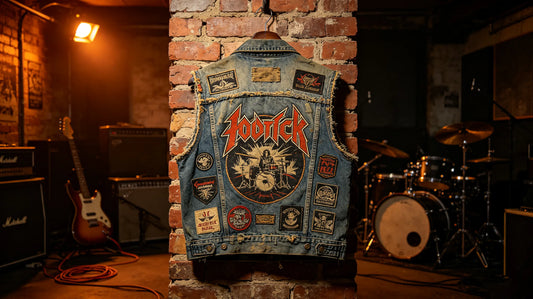
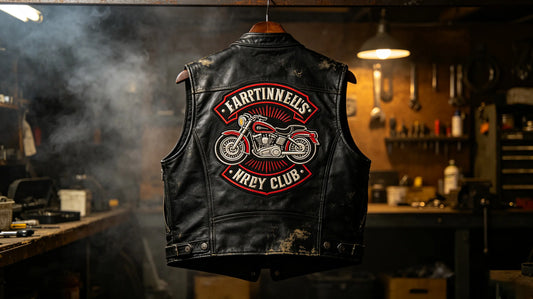
3D puff is widely recognized as an upgrade option. It gives patches a luxury, hand‑crafted feel perfect for limited‑run merchandise, motorcycle club vests, and morale patches.
Great Depth Contrast
Mix flat embroidery sections alongside 3D puff areas within one single patch. This combination lets designers build layered, multi‑depth artwork with striking visual contrast.
Excellent Structure & Shape Retention
Dense stitching locked over foam helps large letter shapes hold their form, reducing wrinkling after being sewn onto thick fabrics.
4. Important Limitations of 3D Puff Embroidery
These restrictions are the most‑common source of disappointed customers:
Thin Lines & Tiny Text Are Not Recommended
Fine narrow shapes cannot hold foam properly. Narrow embroidered sections will quickly collapse flat and lose their 3D height. Most factories recommend a minimum width of 3mm for any 3D raised element.
Cannot Gradually Vary Height
3D puff foam comes in fixed thickness levels. You cannot create smooth height gradients, sloped surfaces, or half‑raised effects. Every raised area will sit at one uniform height.
Foam Can Flatten Under Heavy Pressure
Constant squeezing, heavy backpack straps resting directly on the patch, or aggressive washing compression can permanently crush foam. Once foam collapses, the raised shape will never spring back.
Not Ideal for Ultra‑Flexible Thin Garments
Thin t‑shirt fabric may pull and bunch underneath firm 3D puff patches. They perform far better on sturdy materials such as denim, canvas, tactical nylon, and thick hat fronts.

5. Best Kinds of Designs for 3D Puff Patches
These artwork styles deliver spectacular, reliable 3D results: ‑ Bold large block letters and names ‑ Thick outlined shapes, shields, crests, and emblems ‑ Solid graphic symbols, skulls, animal silhouettes ‑ Large mascot features with thick filled‑in areas ‑ Two‑tone layered designs: flat background + 3D foreground logo
6. Designs You Should Never Make Fully 3D Puff
‑ Small text below 6 millimeters tall ‑ Hair‑thin outlines, delicate scrollwork ‑ Large empty hollow frames with narrow borders ‑ Highly intricate lace‑style patterns ‑ Very long, thin curved stripes
If you want these fine details on your patch, keep those sections flat embroidery while using 3D puff on your bold main graphic elements.

7. Available Foam Thickness Levels
Most patch manufacturers offer multiple standard puff heights: ‑ Low‑profile 3mm foam: Subtle gentle raise, great for hats, low‑bulk wear ‑ Medium 5mm foam: Most popular balanced depth, ideal for vests and morale patches ‑ High 7‑10mm foam: Dramatic, bold high‑rise effect for display‑focused patches
Thicker foam equals more depth, but also higher risk of collapse under pressure. Medium‑height foam delivers the best balance of 3D appearance and long‑term durability for everyday‑worn patches.
8. Washing & Care Rules To Stop 3D Puff From Collapsing
- Wash patched garments inside‑out to reduce direct surface pressure on raised foam
- Always select cold water and gentle wash cycles
- Avoid heavy‑duty industrial laundry machines with powerful pressing action
- Skip high‑heat tumble drying; air‑dry your patched items
- Never iron directly on top of your 3D puff patch. Heat melts foam instantly
- Do not place heavy luggage or stacked items pressing against raised patch surfaces during storage

9. Pricing Factors for 3D Puff Patches
Three main elements increase the final cost: ‑ Percentage of the patch covered by 3D foam: Larger raised areas = higher price ‑ Selected foam thickness: Thicker foam carries a slight premium ‑ Extra‑high stitch density requirement: All 3D sections need dense, tight stitching to lock foam securely
Partial 3D puff (only logo or text raised, rest flat) is a budget‑friendly way to get the premium 3D look without upgrading the whole patch.
Final Thoughts
3D puff embroidery patches are an excellent premium upgrade for bold‑shaped designs seeking eye‑catching raised texture. They bring outstanding depth and a high‑end feel to club vests, tactical morale patches, hats, and merchandise.
However, their foam structure creates clear limitations around tiny text, thin artwork, pressure durability, and garment compatibility. By designing with thick shapes, choosing appropriate foam height, and following gentle washing rules, you can enjoy long‑lasting sculpted texture from your custom embroidered patches.
FAQ
Q: Can small text be stitched in 3D puff embroidery?
A: Not reliably. Letters smaller than 6 mm will most likely collapse flat. Keep small text as flat embroidery.
Q: Can I iron a 3D puff patch?
A: Never iron directly on 3D puff. High heat melts the internal foam and permanently destroys the raised texture.
Q: Will my 3D puff patch stay raised forever?
A: With gentle wear and proper care it will last for years. Heavy continuous pressure can eventually flatten foam permanently.
Q: Can part of my patch be 3D puff and other parts flat?
A: Yes, partial 3D puff is a very popular option that mixes depth contrast while lowering production costs.
Q: Is 3D puff embroidery more expensive than standard flat patches?
A: Yes. An extra premium applies due to foam material, longer stitching time and high‑density stitch requirements.
Tags:
Previous
Custom Patch Fading Guide 2026 | Why Patches Fade & How to Prevent It
Next
Iron‑On Patches 2026 | Complete Heat‑Transfer Application & Troubleshooting Guide