Custom Backpack Patches 2026 | Complete Guide to Personalized Patches for Bags, Packs & Gear
Backpacks are one of the most popular surfaces to decorate with custom patches. Whether you carry a school daypack, hiking backpack, tactical EDC pack, travel luggage, work bag or everyday carry sack, adding custom badges turns a generic‑looking bag into unique gear that reflects your personality, hobbies, travels, team memberships and achievements.
Backpack fabric is usually thick, rugged nylon, polyester or canvas. Bags go through heavy daily friction, outdoor exposure, rain, dirt and repeated rubbing against shoulders and other equipment. Not all patch materials and backing styles hold up well under these tough conditions. This guide walks you through material selection, sizing standards, backing options, placement suggestions, high‑wear zone warnings and care tips to make your custom backpack patches last for years.

1. Best Patch Materials for Backpacks
Each material brings different levels of abrasion resistance, weather durability and visual style for bag customization.
PVC Rubber Patches
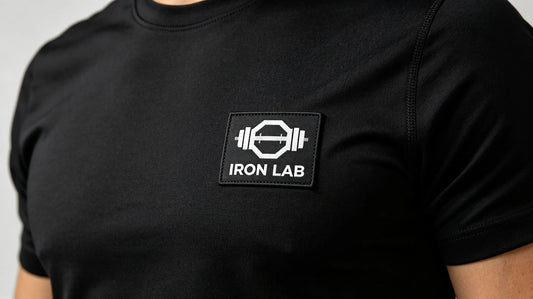
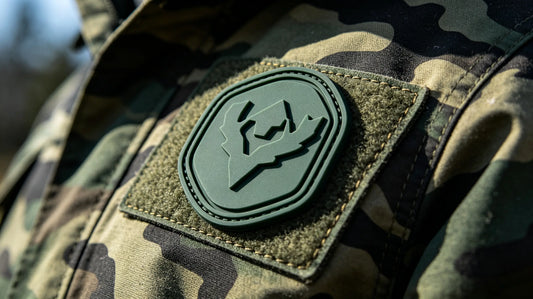
PVC rubber is one of the top‑recommended materials for heavy‑use outdoor and tactical backpacks. Soft flexible rubber is waterproof, dirt‑proof, oil‑resistant and scratch‑tolerant. Raised 3D graphics stand out clearly on dark nylon backpack fabric, and rubber surfaces can simply be wiped clean after dusty or muddy trips. Rubber will not fray even after long‑term outdoor friction.
High‑Density Embroidered Patches
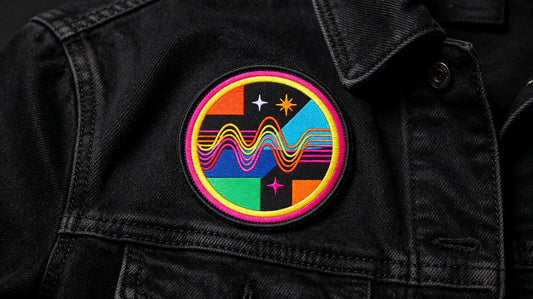
Classic embroidered patches are a timeless, popular choice for canvas, school and casual backpacks. Raised thread creates rich texture and bold colors. For backpack use, always select medium‑to‑high stitch density. Low‑density embroidery will wear thin quickly on high‑rub areas of your bag. Both flat embroidery and 3D puff styles work well, though thick puff embroidery is more likely to catch and snag on backpack straps, zippers and bushes during hiking trips.
Woven Patches
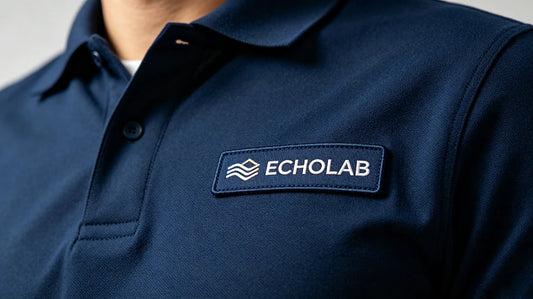
Thin, flat woven patches lay flush against backpack fabric with zero raised bulk. They are the perfect solution for detailed logos, fine text and low‑profile branding. Woven patches are less likely to catch on external gear. They are ideal for school backpacks, office laptop bags and low‑friction bag panels.
Sublimation Patches
Sublimation‑printed patches deliver unlimited full‑color graphics, photo prints and gradient artwork. Since they sit completely flat, there is very little snag risk. Sublimation patches are best suited for school, travel and indoor‑focused backpacks. The printed top layer is less resistant to heavy outdoor abrasion than rubber or embroidered styles.

2. Standard Backpack Patch Sizing Guide
Backpacks offer many different flat panels and strap surfaces, each requiring a suitable patch size:
- Large Hero Patch (Front Main Panel): 3.5″ – 5″ wide
- Medium‑Sized Front Accent Patch: 2.5″ – 3.5″ wide
- Small Shoulder‑Strap Patch: 2″ – 2.5″ wide
- Tiny Zipper‑Pocket Accent Patch: 1.5″ – 2″ wide
- Big Statement Patch on Upper Rear Backpack Panel: 5″ – 6″ wide
Always check the usable flat space on your specific backpack before ordering oversized artwork. Many hiking packs have buckles, compression straps, water bottle pockets and seams that limit where large patches can fit.
3. Backing Options for Backpack Patches
Your backing choice is extremely important for long‑term durability on backpacks.
Sew‑On Backing (Most Durable Permanent Option)
Sew‑on is the gold‑standard permanent backing for backpack patches. Industrial‑strength stitching locks the patch securely to nylon, canvas or polyester bag fabric. Sew‑on badges resist heavy friction, outdoor movement and rough handling far better than iron‑on glue. Sew‑on patches are strongly recommended for hiking, camping and heavy‑duty backpacks.
Hook‑and‑Loop (Velcro) Backing
Extremely common for tactical and EDC backpacks that already feature pre‑sewn loop‑fabric panels. Hook‑and‑loop lets you swap, rotate and collect dozens of different morale, flag and hobby patches on your backpack in seconds. If your backpack does not already have loop fabric, you will need to sew a loop‑panel onto the bag first before attaching hook‑backed patches.
Iron‑On Heat‑Seal Backing
Iron‑on is not recommended for most backpacks. Nylon and polyester backpack fabric cannot safely withstand the high heat required to activate patch glue. Even on canvas backpacks, constant friction on bag surfaces will quickly peel iron‑on patches loose. If you still choose heat‑seal backing, you must add reinforcing stitching around every edge for long‑term survival.

4. Best Patch Placement Locations & High‑Wear Zones To Avoid
Choosing the right spot on your backpack drastically extends your patch lifespan.
Recommended Low‑Friction Locations
- Center of the large front‑face panel: The most popular, visible, low‑rub location for your main custom patch
- Upper side panel, away from shoulder contact points: Safe spot for secondary accent badges
- Top‑lid panel of hiking backpacks: Great for morale and flag patches
- Outer face of shoulder strap (upper section): Good for small‑sized patches
Areas You Should Avoid
- Bottom surface of the backpack: Constantly scrapes against floors, rocks and ground
- Lower side panels: High friction against hips and waist belt
- Edges of compression straps: Snagging risk on trees and outdoor equipment
5. Pro Design Tips for Long‑Lasting Backpack Patches
- Use rounded corners wherever possible. Square patches with sharp corners catch more easily and begin to peel faster on backpack fabric.
- Keep artwork away from patch edges. Add safety margin space so graphics do not get worn off by friction.
- For outdoor hiking packs, prioritize dark, stain‑resistant color themes. Light‑colored patches show dirt very quickly.
- If your backpack has many straps, buckles and gear loops, pick low‑profile woven or rubber patches to reduce snag‑chances.
- When planning multiple patches, space them apart so they do not overlap zippers, pockets or seams.

6. Washing, Cleaning & Maintenance Advice
- Sew‑on embroidered, woven and rubber patches can stay attached while you hand‑wash your backpack
- Always remove hook‑and‑loop patches before deep‑cleaning your tactical pack
- PVC rubber patches can be wiped clean with a damp cloth
- Avoid harsh scrubbing directly over embroidered patch surfaces
- Air‑dry your backpack completely, do not use high‑heat tumble drying
Final Thoughts
Custom backpack patches are a fantastic, affordable way to give new personality to old and new bags. PVC rubber delivers maximum weather and abrasion resistance for outdoor hiking packs, while embroidered and woven patches offer great styling for school and casual daypacks. Sew‑on backing is the most reliable permanent attachment, and hook‑and‑loop works perfectly for tactical gear with pre‑installed loop panels. By placing your patches on low‑friction front panels and avoiding high‑rub contact zones, your custom backpack badges will stay vibrant and intact for many adventures ahead.

FAQ
Q: What is the most durable patch material for hiking backpacks?
A: Flexible waterproof PVC rubber patches are highly recommended for outdoor hiking packs due to excellent abrasion and weather resistance.
Q: Can iron‑on patches stick to nylon backpack fabric?
A: Iron‑on patches are not recommended. High heat can damage nylon fabric, and glue will quickly peel from backpack surfaces under friction. Sew‑on attachment is a far better solution.
Q: What size patch fits best on the front of a standard backpack?
A: A patch between 3.5 inches and 5 inches wide is the ideal medium‑large size for most backpack front panels.
Q: Do hook‑and‑loop patches work on any backpack?
A: No. Your backpack needs soft loop fabric already sewn onto its surface. Without loop material, hook‑backed patches cannot attach.
Q: Where should I not place patches on my backpack?
A: Avoid the bottom panel, waist‑belt contact zones and strap edges, these high‑friction spots wear patches down very quickly.
Tags:
Previous
Custom Hat Patches 2026 | Ultimate Guide to Custom Patches for Baseball Caps, Trucker Hats & Beanies
Next
2026 Custom Patch Trends | Hottest Materials, Colors & Design Styles