Custom Military & Tactical Patches 2026 | Ultimate Guide for Gear, Uniforms & EDC
Custom military and tactical patches are essential insignia for official uniforms, tactical gear, military units, security teams, EDC enthusiasts, and outdoor operators. Unlike casual fashion patches, tactical and military‑grade patches follow strict sizing standards, durability requirements, and placement protocols built for field use, harsh weather conditions, and long‑term heavy abrasion.
From formal rank insignia and unit identifiers to fun, collectible morale patches, tactical patches allow operators to mark team identity, display slogans, customize vests, backpacks, hats and plate carriers. This comprehensive guide breaks down material choices, backing specifications, standard sizes, placement rules, design best practices, and durability tips for professional‑grade custom tactical patches in 2026.

1. Top Materials for Military‑Grade Tactical Patches
Each material offers distinct advantages suited to different field environments and insignia styles.
PVC Rubber Tactical Patches
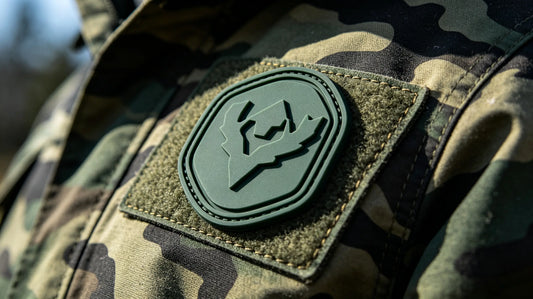
PVC rubber is the most popular material for modern morale patches. Fully waterproof, mud‑resistant, scratch‑proof and UV‑stable, rubber patches perform excellently in rain, desert dust, humidity and wet outdoor conditions. The flexible rubber construction bends easily on curved gear surfaces and never frays. 3D raised artwork delivers high visibility even in low‑light environments. Perfect for removable hook‑and‑loop morale patches.
Embroidered Tactical Patches
Embroidered patches remain the classic, traditional choice for official unit insignia, rank badges and formal uniform patches. High‑density thick‑stitched embroidery delivers a rugged, time‑honored military aesthetic. Merrow overlocked borders add extra durability against fraying. Choose flat embroidery for sharp formal insignia, and avoid large 3D puff embroidery for field‑worn uniforms, as raised puff stitching can catch and snag on equipment.
Woven Tactical Patches
High‑density woven patches are ideal when you need extremely fine text, small unit designations, and a low‑profile, non‑bulky finish. Woven patches sit completely flat against uniforms and gear, making them less likely to catch on branches or tactical hardware. Great for subtle identification badges worn close to the body.
Sublimation Tactical Patches
Sublimation printed tactical patches are used for full‑color complex graphics, large team flags, multi‑camouflage patterns and photo‑style morale artwork. Lightweight and flat, they support unlimited colors and gradient camouflage effects. Sublimation is best for low‑abrasion locations like hat fronts; avoid placing sublimation patches on high‑friction vest surfaces.

2. Backing Options for Tactical Patches
Hook‑and‑Loop (Velcro) – #1 Tactical Standard
Hook‑and‑loop backing is the industry default for morale patches and interchangeable gear customization. The hook side attaches firmly to loop‑panel vests, plate carriers, backpacks, operator hats and tactical belts. Patches can be quickly swapped, repositioned or removed before washing gear. Always match the hook‑and‑loop perimeter size to your patch shape.
Sew‑On Backing
Sew‑on backing is the permanent solution for official uniform insignia. Industrial stitching creates a long‑lasting bond that cannot fall off during field movement. Sew‑on patches are mandatory for many formal uniform requirements where removable hook‑and‑loop attachments are not permitted.
Iron‑On Heat Seal
Iron‑on backing is rarely recommended for tactical field gear. Heat‑activated glue will separate after repeated bending, sweat exposure, and outdoor temperature changes. Iron‑on is suitable only for indoor casual display patches.
3. Standard Tactical & Military Patch Sizing Guide
Most tactical gear loop panels are built around widely accepted industry dimensions:
- Square Morale Patch (Most Common): 3″ × 3″
- Hat Front Tactical Patch: 2.25″ – 3″
- Uniform Shoulder Sleeve Insignia: 3″ – 3.5″ tall
- Chest Unit Identification Patch: 3″ – 4″
- Large Back Panel Vest Patch: 5″ – 7″
- Mini Micro Morale Tab: 1″ × 2″
Always measure the actual hook‑and‑loop field on your vest or hat before finalizing patch dimensions. A 3‑inch square patch is the universal safe size that fits nearly all standard tactical loop panels.

4. Border Styles for Tactical Patches
Merrow Overlock Border
The classic thick stitched border seen on traditional military embroidered insignia. Merrow edging completely seals fabric patch edges, stopping fraying even after years of field use. Recommended for embroidered and woven uniform patches.
Laser Heat‑Cut Edge
Borderless clean‑cut finish used for custom irregular morale patch silhouettes, skull shapes, mascots and unique free‑form artwork. Laser‑cut edges are the most popular option for modern PVC rubber morale patches.
5. Recommended Placement Positions
Tactical Vest / Plate Carrier
Upper chest, shoulder straps, and rear vest panel are the most common morale‑patch zones. Avoid placing patches directly over zipper tracks or high‑abrasion shoulder areas that rub against backpack straps.
Operator Cap / Tactical Hat
Centered on the front crown. 2.5‑inch square patches deliver excellent visibility without distorting the hat’s curved shape.
Backpack & Duffle Gear
Front lid panel, shoulder strap, or side pocket loop section. PVC rubber patches are highly recommended for backpacks exposed to outdoor friction.
Long‑Sleeve Uniform Shirts
Upper‑sleeve placement for official unit insignia. Follow your team’s uniform regulations for exact left‑or‑right sleeve positioning.

6. Pro Tactical Patch Design Tips
- Use high‑contrast color combinations so logos remain readable in low‑light outdoor environments.
- Keep text bold and large; thin small lettering is difficult to read at a distance on tactical gear.
- Avoid overly complex fine detail for PVC morale patches; thick shapes ensure clean mold production.
- Match camouflage background tones to your gear environment when creating camo‑style patches.
- Separate official formal insignia designs from casual morale artwork, as many teams enforce strict uniform graphic rules.
7. Durability & Field Care Advice
- PVC rubber tactical patches can simply be wiped clean of mud, dust and sweat with a damp cloth.
- Embroidered sew‑on uniform patches can be machine‑washed on cold settings; turn gear inside‑out.
- Hook‑and‑loop patches should always be removed before laundering tactical vests and backpacks to prevent hook‑side damage to loop fabric.
- Store morale patch collections in a dry location away from direct long‑term sunlight to prevent slow color fading.

Final Thoughts
Custom military and tactical patches are essential tools for team identity, official insignia, and personal gear customization. PVC rubber delivers unmatched outdoor durability for swappable morale patches, while embroidered and woven styles provide the traditional, low‑profile options required for formal uniforms.
By selecting hook‑and‑loop backing, standard 3‑inch sizing, and high‑visibility bold designs, you will receive professional tactical‑grade patches built to withstand harsh field conditions, daily EDC use, and years of adventure.
FAQ
Q: What is the standard size for a morale patch?
A: The most common universal morale‑patch size is 3 inches by 3 inches square.
Q: Are hook‑and‑loop patches removable?
A: Yes, hook‑and‑loop backing allows you to take off, swap and reposition tactical patches on your gear whenever you want.
Q: Which material works best for outdoor tactical use?
A: PVC rubber patches are the top choice, as they are fully waterproof, dust‑proof, and resistant to sun fading.
Q: Can tactical embroidered patches go on uniforms?
A: Absolutely. Sew‑on embroidered patches are the traditional official option for military‑style uniform insignia.
Q: Can I wash my vest while hook‑and‑loop patches are attached?
A: It is strongly recommended to remove all hook‑and‑loop patches before washing to protect the loop fabric on your vest.
Tags:
Previous
Custom Keychain Patches 2026|Complete Guide to Custom Patch Keychains
Next
Custom Motorcycle & Biker Patches 2026|Complete Buying Guide for Vests, Jackets & Clubs