Custom Patch Care Guide 2026 | How to Wash, Clean and Maintain Your Badges
Once your favorite custom patch is attached to a jacket, backpack, hat or shirt, proper care is essential to keep it looking sharp for years to come. Washing garments incorrectly is one of the top reasons patches start peeling, fraying, fading, or coming loose.
Each patch material and attachment method — iron‑on, sewn‑on, hook‑and‑loop, PVC rubber, sublimation print — has unique laundry requirements. Using the wrong water temperature, harsh detergents or high‑heat dryer cycles can ruin your badge before its time.
This in‑depth maintenance guide breaks down washing rules for every patch variety, teaches you how to stop iron‑on patches from lifting, shares safe cleaning tricks, and explains how to remove patches without damaging your fabric.

1. General Universal Care Rules For All Patches
These basic best‑practices apply no matter what kind of patch you own:
- Turn clothing inside‑out before washing. This protects the patch surface from heavy friction against other laundry items.
- Avoid harsh bleach, stain removers with strong chemicals. Bleach can fade thread colors, break down rubber, and ruin printed artwork.
- Skip high‑temperature dryer heat whenever possible. Excessive heat weakens adhesive glue and can warp PVC rubber patches.
- Do not scrub directly across the face of your patch. Rubbing can wear embroidery threads and scratch rubber surfaces.
- Hang‑dry garments whenever you have the option. Air drying is the gentlest way to preserve your patch.
2. Care Instructions By Patch Material
Embroidered Patches
Embroidered badges are very durable. The stitched threads resist fading well. ‑Machine‑wash cold or warm water is safe ‑Avoid aggressive scrubbing over embroidered stitching ‑Ironing directly on top of embroidery is not recommended; high heat can melt thread
Woven Patches
Woven fabric patches are thin and flexible. ‑Wash on gentle cycle to prevent edge fraying over long‑term use ‑Merrow‑edged woven patches have excellent fray resistance; heat‑cut edges need extra gentle handling
Sublimation Printed Patches
Color is dyed deep into the fabric, so fading is rarely an issue. ‑Never iron directly over the printed surface. High heat can discolor the print ‑Gentle wash cycles will keep colors bright for many years
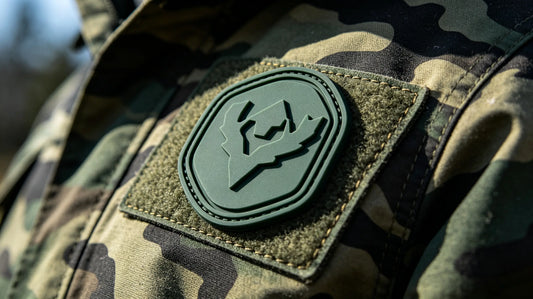
PVC Rubber Patches
Solid rubber patches are water resistant but vulnerable to extreme heat. ‑Hot dryer cycles can warp, bend or deform rubber patches permanently ‑Wipe dirty rubber patches with a damp cloth instead of heavy scrubbing ‑Avoid exposing rubber patches to direct high‑temperature iron steam

3. Washing Guidelines By Attachment Method
Sewn‑On Patches
The most permanent and laundry‑safe option. Sewn patches can withstand repeated washing cycles with very little risk of falling off. ‑Standard laundry cycles are fine ‑Check stitching threads occasionally. If loose threads appear, trim them or restitch the edge before the patch begins to pull away.
Iron‑On (Heat Seal Backing) Patches
Iron‑on patches are the most sensitive to laundry damage. Hot water and dryer heat are the two biggest causes of peeling edges. ‑Wash in cold water only ‑Turn garment inside‑out ‑Use low‑heat or no‑heat dryer setting ‑Air‑dry is strongly preferred ‑If edges start lifting, you can re‑iron the patch to reactivate the glue backing
Important warning: After repeated washes, even well‑applied iron‑on patches may eventually begin to peel. Sewing around the patch edge is the best long‑term reinforcement solution.
Hook‑and‑Loop Removable Patches
The simplest maintenance workflow is to detach patches fully before washing your vest, backpack or jacket. ‑Remove morale patches before laundry ‑Wash the garment separately ‑Clean lint and debris off the hook‑side of patches with a small soft‑bristle brush ‑Never wash loose hook‑and‑loop patches inside your washing machine; rough hooks can snag other fabric items
4. How To Clean Dirty Patches Without Washing The Whole Garment
Sometimes only your patch is soiled and you do not need to launder the entire item. Follow these spot‑cleaning steps:
- Dampen a soft cloth with lukewarm water and a tiny drop of mild detergent
- Gently dab at the dirty area. Do not rub hard back‑and‑forth
- Wipe away soap residue with a second clean damp cloth
- Leave it to air‑dry completely
For rubber PVC patches, wet wipes work excellent for quick surface cleanup.

5. How To Prevent Iron‑On Patches From Peeling Off
- Always iron the patch long enough during initial application ‑Reinforce by hand‑sewing one or two simple stitches on opposite corners ‑Avoid hot water and high‑heat dryers ‑Do not dry‑clean clothing with heat‑seal iron‑on patches, dry‑cleaning chemicals dissolve glue
6. Safe Patch Removal Tips
If you want to take a patch off your clothing, backpack or hat:
Sewn‑on patches
Use a seam ripper to carefully cut and pull out each stitch. Work slowly to avoid nicking the fabric underneath.
Iron‑on heat seal patches
Apply gentle heat with an iron from the reverse side of the fabric to soften the glue, then slowly peel the patch away. Residual glue marks may remain on your fabric.
Hook‑and‑loop patches
Simply pull apart. No heat or tools required.
Note: Most patches are one‑time‑use items. Removing an iron‑on patch will usually destroy its adhesive backing, so you cannot re‑stick it again later.

7. Common Mistakes That Shorten Patch Lifespan
- Washing iron‑on patched garments with hot water and high‑heat dryer
- Ironing directly over sublimation prints or rubber PVC patches
- Leaving hook‑and‑loop patches attached while washing your tactical vest
- Scrubbing aggressively on the patch surface to remove stains
- Dry‑cleaning clothing with heat‑seal iron‑on patches
Final Thoughts
Caring for your custom patches does not need to be complicated. Turn clothes inside‑out, choose cold water washes, air‑dry whenever possible, and remove hook‑and‑loop patches before laundry. Iron‑on patches need the most careful treatment to avoid peeling, while sewn‑on embroidered badges are the toughest and most wash‑resistant.
By matching your cleaning routine to your patch’s material and backing type, you can keep your custom‑made badges bright, intact, and looking brand‑new for many years of wear.

FAQ
Q: Can I machine‑wash clothes with iron‑on patches?
A: Yes, use cold‑water cycles, turn inside‑out and air‑dry. Hot water will quickly weaken the adhesive glue.
Q: Is it safe to put PVC rubber patches in the dryer?
A: High dryer heat can warp rubber patches, low‑heat or air‑drying is recommended.
Q: Should I remove hook‑and‑loop patches before washing my tactical vest?
A: Yes, always detach morale patches before laundry to prevent snags and damage.
Q: Can I iron over the top of my embroidered patch?
A: Ironing directly onto embroidery threads is not recommended; place a thin cotton cloth between your iron and patch surface if needed.
Q: Once an iron‑on patch peels off, can I re‑use it?
A: The original glue backing is usually destroyed during removal. You will need new heat‑seal glue to reattach it.
Tags:
Previous
Custom Patch Turnaround & Shipping Guide 2026 | Production Time, Rush Orders & Delivery
Next
PVC Rubber Patches 2026 | Ultimate Guide to Soft Silicone Rubber Badges