Custom Patches for Jackets 2026|Ultimate Guide to Embellish Denim, Leather & Hooded Outerwear
Jackets are one of the most classic, eye‑catching surfaces for custom patches. Whether you are decorating a casual denim jacket, leather coat, hooded sweatshirt, heavy‑duty work jacket, tactical shell or street‑wear outerwear, patches instantly transform plain clothing into a personalized statement piece.
Jacket fabric varies widely from rigid thick denim, smooth leather, soft stretch hoodie cotton, to slippery waterproof nylon. Different fabrics demand specific patch materials, backing selections and installation methods to get long‑lasting results. This comprehensive buyer’s guide covers material comparison, sizing standards, creative placement options, attachment techniques, design tips and care advice for custom jacket patches.

1. Best Patch Materials for Different Jacket Types
Each outer‑wear fabric performs best with a particular patch material. Matching material to jacket fabric prevents peeling, buckling or fabric damage.
Embroidered Jacket Patches
Embroidery remains the timeless top choice for denim jackets, canvas work coats and casual cotton outerwear. Raised thread texture creates bold, rugged visuals that complement thick woven fabrics perfectly. Flat‑density embroidery works great for detailed logos, while 3D puff embroidery delivers dramatic raised‑up artwork for back‑panel statement patches. Avoid extra‑thick 3D puff patches on thin, lightweight nylon jackets. Heavy puff embroidery can pull and warp delicate thin fabric over time.
Woven Jacket Patches
Ultra‑thin, low‑profile woven patches are ideal for hoodies, soft cotton jackets and leather outerwear. Their flat texture sits smoothly against fabric without creating bulky ridges. Woven patches are your best option if your jacket design includes tiny text, fine‑line graphics or minimalist brand logos.
PVC Rubber Jacket Patches
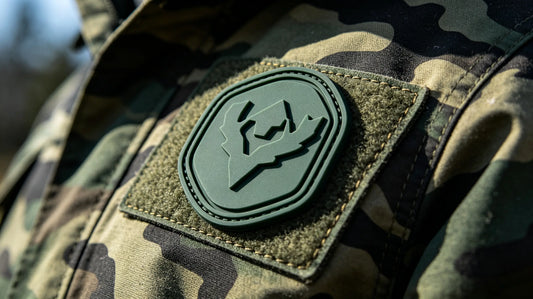
Flexible waterproof PVC rubber patches are highly recommended for tactical jackets, windbreakers, rain shells and work outer‑wear exposed to dirt and moisture. Soft rubber easily bends along with jacket seams, wipes clean, and resists abrasion during outdoor activity. Matte‑finish rubber patches are the modern popular option for street‑style jackets.
Faux‑Leather Patches for Jackets
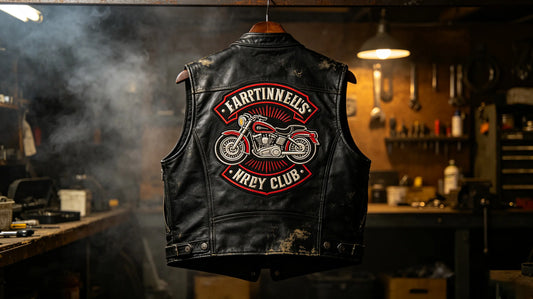
Leather or faux‑leather patches add premium vintage charm to denim, canvas and heavy outerwear. Etched leather logos create a rustic, high‑end aesthetic perfect for motorcycle jackets, western‑style coats and lifestyle brand merchandise. Leather patches are stiffer than fabric badges; choose rounded corners to stop edge lifting.
Sublimation Printed Patches
Sublimation patches offer unlimited full‑color artwork, photo prints and gradient graphics with zero raised texture. They are well‑suited for hoodies, lightweight fashion jackets and low‑friction sleeve placements. Keep in mind sublimated printed surfaces are less scratch‑resistant for heavy‑use work jackets.

2. Standard Jacket Patch Sizing Guide
Jackets provide multiple large flat surfaces that can accommodate a wide range of patch dimensions. ‑ Oversized Center‑Back Statement Patch: 8″‑12″ wide (the iconic large‑back denim‑jacket look) ‑ Medium‑Sized Back Accent Patch: 5″‑7″ wide ‑ Chest Logo Patch (Left or Right Chest): 3″‑4″ wide ‑ Upper‑Sleeve Arm Patch: 2.5″‑3.5″ wide ‑ Small Cuff Accent Patch: 1.5″‑2″ wide ‑ Hoodie Front‑Hood Small Patch: 2″‑2.5″ wide
Before ordering large back patches, always measure the usable flat space on your jacket’s back panel. Seams, shoulder yokes, zippers and hood attachments will limit the maximum width you can fit.
3. Backing & Attachment Options for Jacket Patches
Your backing selection is critical for outer‑wear durability, and some attachment methods are not safe for sensitive jacket fabrics.
Sew‑On Backing (Recommended for Most Jackets)
Sew‑on is the most permanent, reliable solution for denim, hoodies, canvas and leather jackets. Stitching around the patch perimeter locks it firmly in place, surviving countless washes, bends and daily wear. Sew‑on backing is strongly advised for leather jackets; high heat from iron‑on glue will ruin leather finishes.
Iron‑On / Heat Seal Backing
Iron‑on heat‑activated glue works well on 100% cotton denim jackets. However, iron‑on patches are semi‑permanent. Jacket sleeves and waist areas constantly bend, which will eventually peel glue‑backed patches. Iron‑on is not safe for leather, nylon, waterproof coated jackets or spandex‑blend hoodies. If you choose heat‑seal backing, add reinforcing edge stitching.
Hook‑and‑Loop Backing
Hook‑and‑loop backing is perfect for tactical jackets that have pre‑sewn loop‑fabric panels on chest, sleeve or back sections. It allows fully removable, swappable patches so you can change your jacket’s look whenever you want. Without existing loop fabric on your jacket, hook‑and‑loop patches cannot attach.

4. Popular Creative Jacket Patch Placement Ideas
Center‑Back Panel
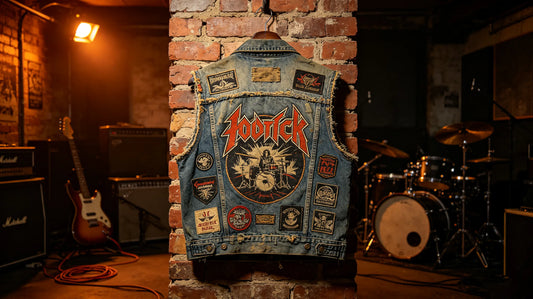
The most famous placement. Large statement patches centered on the jacket’s upper‑back panel draw maximum attention and work perfectly for band logos, brand artwork, team graphics and custom art. Leave empty space above the waist seam and below the collar seam.
Left‑Chest Position
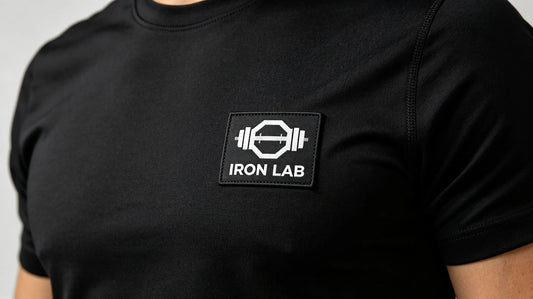
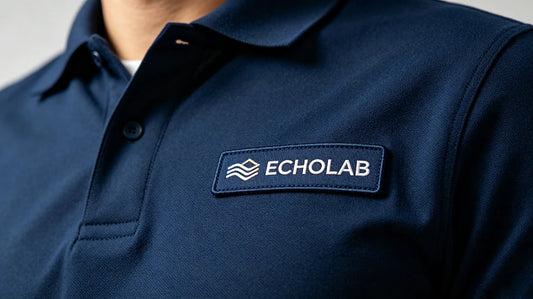
Standard professional‑style placement for brand logos, name tags, company emblems and subtle branding on work jackets.
Outer Upper‑Sleeve
Sleeve placement is extremely versatile. Single patches or multi‑patch collages running down the outer sleeve create a fun, personalized street‑wear aesthetic. Avoid placing patches on the elbow zone, a very high‑friction spot.
Shoulder Yoke
Small‑to‑medium‑sized patches placed on the left or right shoulder create a premium tactical‑style look, great for flag patches and morale badges.
Hood Panel (Hoodies Only)
Small minimalist patches centered on the outer hood surface add subtle branding for hooded sweatshirts.
Cuffs, Hem & Collar Accents
Tiny accent patches at jacket cuffs, bottom hem or lapel collar deliver unique subtle detail, ideal for small slogans and mini logos.

5. Pro Design Tips for Jacket Patches
- Rounded corners are strongly recommended. Square patches with sharp corners repeatedly bend with jacket movement and begin to lift at the edges.
- For huge back patches, avoid placing key artwork right along the jacket’s center‑back seam. The seam creates a raised ridge that warps your graphic.
- Select flexible materials for sleeve patches, as sleeves bend every time you move your arms. Rigid thick leather patches on sleeves risk cracking over time.
- When creating multi‑patch sleeve collages, space patches apart so they do not overlap seams.
- Pick high‑contrast colors. Dark artwork on light jackets, or bright graphics on dark outer‑wear ensures your patch stands out clearly.
6. Washing & Care Instructions for Patched Jackets
‑ Sew‑on embroidered, woven, PVC and leather patched jackets can be machine‑washed on a gentle cold‑water cycle, turned inside‑out ‑ Never machine‑dry leather‑patched jackets at high heat; air‑dry only ‑ Remove hook‑and‑loop patches before washing your tactical jacket ‑ Wipe PVC rubber patches clean with a damp cloth when dirty ‑ Avoid harsh stain‑remover chemicals directly on embroidered thread surfaces to prevent color‑fading

Final Thoughts
Custom patches are a fantastic creative way to refresh old jackets or add personality to brand‑new outerwear. Oversized embroidered back patches are classic for denim jackets, low‑profile woven badges suit soft hoodies, and flexible PVC rubber works great for weather‑resistant tactical coats. Sew‑on attachment delivers the most durable long‑term hold across nearly all jacket fabric types. By selecting suitable sizing, flexible materials and low‑friction placement zones, your custom jacket patches will stay vibrant and secure for years.
FAQ
Q: What size back patch is best for a denim jacket?
A: Most customers select between 8 inches and 10 inches wide for a classic center‑back denim‑jacket statement patch.
Q: Can I use iron‑on patches on a leather jacket?
A: No. The high heat required for iron‑on glue will permanently damage leather. Sew‑on backing is your only safe choice.
Q: Where should you avoid placing patches on a jacket?
A: Avoid elbow zones, waist hem high‑rub areas, and thick raised seams where patch edges will constantly bend.
Q: What material works best for hoodie sleeve patches?
A: Thin woven or flat embroidered patches are recommended; bulky thick 3D puff patches will feel uncomfortable on bent sleeves.
Q: Can large back patches warp my jacket fabric?
A: Oversized heavy patches can pull lightweight thin jacket fabric. Thick denim or canvas jackets are the most stable fabric for huge back‑panel artwork.
Tags:
Previous
2026 Custom Patch Trends | Hottest Materials, Colors & Design Styles
Next
Custom Sublimation Patches 2026 | Complete Guide to Full Color Photo Patches