Custom Sports & Team Patches 2026|Complete Guide for Jerseys, Hats, Bags & Uniforms
Custom sports and team patches are a classic, affordable way to build team spirit, mark championship victories, decorate game‑day uniforms, and celebrate individual player achievements. Used by youth recreation leagues, high‑school sports teams, college athletic programs, amateur clubs and professional organizations, sports‑themed patches add identity, pride and visual unity across jerseys, warm‑up jackets, baseball hats, backpacks and team‑travel gear.
Whether you are creating permanent uniform logos, seasonal commemorative badges, championship winner patches or player‑name identifiers, this guide walks you through material selection, standard sizing, uniform placement, backing options, bulk ordering tips and long‑term care recommendations for durable custom sports patches in 2026.

1. Best Materials for Custom Sports Team Patches
Each material balances durability, visual quality and budget for different athletic‑wear environments.
Embroidered Sports Patches (Most Popular)
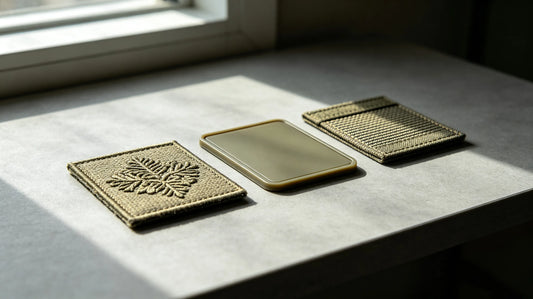
High‑density embroidered patches are the traditional go‑to choice for sports uniforms. Bright, vibrant polyester thread delivers bold, eye‑catching team logos, mascots and lettering. Merrow overlocked borders lock fabric edges against fraying after repeated washing and sweaty game‑day wear. Flat embroidery works best for large uniform logos, while limited 3D puff embroidery adds fun raised depth for championship patches, hat emblems and award keepsakes.
Woven Sports Patches
High‑definition woven patches are ideal for sports designs containing small text, detailed mascot faces, or fine‑line graphics. They sit thin and flat against jerseys and do not create bulky raised sections that irritate athletes’ skin during running and physical activity. Woven patches are a great low‑profile solution for soccer, basketball, volleyball and other high‑movement sports uniforms.
Sublimation Sports Patches
Sublimation printed patches are perfect when your team logo contains gradients, multi‑colored camouflage, realistic photos, or complex full‑color artwork that embroidery cannot reproduce. Completely smooth and lightweight, sublimation patches lie flush on fabric with zero raised texture. They perform best on low‑friction areas like hat fronts, backpacks and display jackets; heavy shoulder friction from protective sports gear can gradually wear printed surfaces.
PVC Rubber Sports Patches
Waterproof, sweat‑resistant flexible PVC rubber patches are well‑suited for outdoor sports, water‑related teams and wet‑weather events. Rubber patches wipe clean instantly after muddy practices and never absorb sweat or moisture. Hook‑and‑loop PVC patches work great for interchangeable morale badges on team backpacks and practice vests. PVC is less common for game‑day jerseys due to its slightly thicker profile.
Leather Sports Patches
Leather patches are mostly used for premium championship keepsake jackets, varsity‑style awards and limited‑edition team merch, rather than active game uniforms. Engraved or foil‑stamped leather creates a high‑end trophy‑quality look for commemorative outerwear.

2. Standard Sports Patch Sizing Guide
Sizing changes dramatically based on where the patch will be placed on your athletic gear.
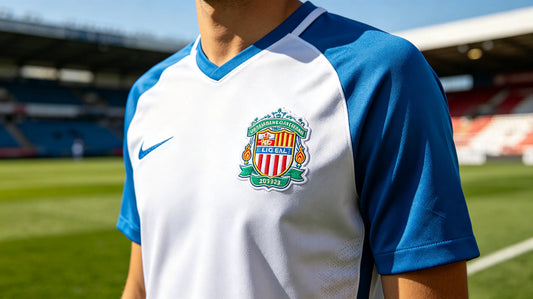
- Jersey Chest Main Team Logo: 3″‑ 4″ wide
- Short‑Sleeve Jersey Shoulder / Sleeve Patch: 2.5″‑ 3″
- Baseball / Trucker Hat Front Patch: 2.25″‑ 2.75″
- Large Back Warm‑Up Jacket Logo: 6″‑ 9″
- Championship Commemorative Badge: 3″‑ 3.5″
- Player Name Tag Patch: 1.5″‑ 2″ tall
- Backpack Team Accent Patch: 3.5″‑ 4.5″
Always measure the free space on your uniforms before ordering. Leave extra clearance around seams, elastic cuffs and zipper lines to avoid patch warping after repeated washing.
3. Uniform & Gear Placement Recommendations
Athletic Jerseys
The most common location for your primary team logo patch is the left‑chest area. Secondary league or sponsor patches are typically stitched onto one or both sleeves. Avoid placing large stiff patches on under‑arm zones where fabric stretches heavily during sports movements.
Warm‑Up Jackets & Hoodies
Small chest logos or large full‑width back logos are both popular options for team warm‑ups. Big back‑panel patches create fantastic visibility for players during pre‑game events.
Sports Hats
Center‑front crown placement is standard. Rounded or slightly oval‑shaped patches conform better to hat curvature than sharp square corners, lowering the risk of edge lifting.
Backpacks, Duffel Bags & Water‑Bottle Carriers
Medium‑sized team patches turn generic gear into easily‑identifiable team luggage, helping players avoid mixing up their equipment at tournaments.

4. Backing Options for Sports Uniform Patches
Sew‑On
Sew‑on backing is the most permanent, long‑lasting choice for official game uniforms. Industrial stitching will not loosen after dozens of washes and intense athletic movement. This is highly recommended for jerseys that will see heavy season‑long use.
Iron‑On Heat Seal
Iron‑on patches offer a fast, low‑cost DIY application solution. Best suited for lightweight cotton warm‑up shirts and non‑game display clothing. Iron‑on glue bonds can break down over time with repeated washing, sweat and stretching, so sew‑on is preferred for competitive jerseys.
Hook‑and‑Loop Backing
Hook‑and‑loop patches allow teams to swap sponsor badges, event patches and seasonal graphics on practice vests, backpacks and hats without permanently altering uniforms. Perfect for multi‑event tournament schedules.
5. Pro Bulk‑Order & Design Tips for Sports Teams
- Choose high‑contrast team colors, so logos remain easy to spot from far away during outdoor games.
- Keep mascot shapes bold; shrink‑down fine artwork for small jersey patches often loses detail.
- Double‑check all player names, team names, and championship‑year text for spelling errors before production.
- If ordering a large team batch, order a single sample patch first to test color accuracy and size on one uniform.
- For youth sports uniforms, select low‑profile woven or thin embroidered patches to minimize skin irritation during play.

6. Washing & Care Instructions for Sports Patches
- Turn jerseys and uniform items inside‑out before cold‑water machine washing.
- Avoid high‑heat dryer settings; high heat can melt iron‑on adhesive and fade patch thread colors. Air‑dry whenever possible.
- PVC rubber team patches can simply be wiped clean of mud and sweat with a damp cloth.
- Remove hook‑and‑loop patches before laundering gear, to prevent loop‑fabric damage.
Final Thoughts
Custom sports and team patches are a powerful, timeless way to build unity and celebrate athletic achievements. Embroidered patches deliver vibrant, durable branding for official jerseys, while woven patches provide comfortable low‑profile detail for high‑energy sports. Sublimation opens unlimited full‑color creative possibilities, and PVC offers sweat‑proof performance for outdoor practice gear.
With careful sizing, smart placement and the correct backing choice, your custom sports patches will hold up through an entire competitive season, tournament travel, and years of team memories.

FAQ
Q: What patch material is best for sports jerseys?
A: High‑density embroidered or woven patches are the top‑recommended materials for game‑day sports jerseys.
Q: Can I iron sports patches onto my uniform?
A: Iron‑on works well for casual warm‑up apparel. Sew‑on patches are much more reliable for uniforms that get frequent washing and heavy athletic use.
Q: What is a good standard size for a chest logo patch on a jersey?
A: 3 inches to 4 inches wide is the most common balanced size for jersey chest team logos.
Q: Can sports patches withstand repeated washing?
A: Sew‑on embroidered and woven patches with merrow borders hold up very well to regular cold‑water washing when garments are turned inside‑out.
Q: Is it cheaper to order sports patches in bulk for my whole team?
A: Yes, larger‑quantity bulk orders significantly lower the unit cost per patch for sports team projects.
Tags:
Previous
Custom Motorcycle & Biker Patches 2026|Complete Buying Guide for Vests, Jackets & Clubs
Next
Custom School & Student Patches 2026|Complete Guide for Uniforms, Clubs, Backpacks & Graduation