Embroidered vs Printed Patches 2026 | Full Comparison & Buying Guide
When ordering custom patches, the biggest fundamental decision you will make is choosing between embroidered patches and printed patches. These two core patch types serve completely different design needs, textures, and use scenarios.
Many customers mistakenly pick embroidered patches for photo‑realistic artwork or printed patches for long‑term heavy‑wear uniforms, resulting in low‑quality, mismatched finished products.
This complete head‑to‑head guide breaks down every difference in texture, detail capability, color performance, durability, pricing and ideal use cases. By the end, you will know exactly which style fits your next custom apparel and branding project. You can browse both styles through our full collection of custom embroidered patches.

1. What Are Embroidered Patches?
Embroidered patches are constructed by stitching colored threads onto a twill fabric base. Every shape, letter and logo element is built layer by layer with physical embroidery threads.
They feature a raised, tactile texture with visible stitching lines, creating the classic, premium patch look recognized worldwide. Embroidery relies on thread coverage rates (50%, 75%, 100%) to build solid graphic areas and bold outlines.
Embroidered patches focus on texture, depth and rugged durability rather than ultra‑fine color gradients or photo details.
2. What Are Printed Patches?
Printed patches, also known as dye‑sublimation or full‑color printed patches, use advanced digital printing technology to transfer artwork directly onto the fabric base.
Instead of threads, ink dyes bond permanently into the fabric fibers. The result is a completely flat, smooth surface with unlimited color capacity, perfect gradients, blur effects, shadows and photo‑realistic portraits that thread embroidery cannot replicate.
Printed patches are modern, ultra‑detailed, and ideal for complex multi‑color artwork.

3. Core Differences: Embroidered VS Printed Patches
Texture & Visual Style
- Embroidered: Raised, bumpy, textured 3D surface with visible stitch grain. Classic, vintage, tactical and rugged aesthetic.
- Printed: Completely flat, smooth, flush surface with no texture. Clean, modern, photorealistic and sleek appearance.
Detail & Artwork Capability
- Embroidered: Limited detail. Thin lines and tiny text blur; gradients and shadows cannot be produced. Best for bold logos, solid shapes and simple text.
- Printed: Unlimited detail. Supports portraits, pet photos, complex patterns, tiny fine text, multi‑layer shadows and smooth color gradients.
Color Performance
- Embroidered: Solid, saturated thread colors with clean separation. Limited color counts per design; no soft blending.
- Printed: Full CMYK color spectrum. Unlimited colors, seamless color blending, pastels, neon tones and subtle tonal transitions.
Durability & Wash Resistance
- Embroidered: Industry‑leading durability. Threads resist fading, peeling and wear after hundreds of washes. Perfect for long‑term daily wear.
- Printed: Good daily durability. Ink holds up well for regular use but may slowly fade after years of frequent hot washes and heavy sun exposure.
Thickness & Comfort
- Embroidered: Thicker and sturdier, slight bulk on thin fabrics.
- Printed: Ultra‑thin and lightweight, lays perfectly flat on t‑shirts and delicate apparel.
Pricing Structure
- Embroidered: Cost rises with design complexity and stitch density. Multi‑color complex logos cost more.
- Printed: Fixed low cost regardless of color count. Full‑color gradient designs are far cheaper in printed style.
4. Advantages of Embroidered Patches
Superior Long‑Term Durability
Stitched threads do not fade easily and withstand heavy friction, outdoor exposure and repeated machine washing. Embroidery remains intact for years.
Premium Tactile Texture
The raised stitching creates a high‑end, handcrafted look that adds value to uniforms, jackets and premium merch.
Excellent Shape Definition
Bold embroidered borders deliver sharp, crisp outlines for logos, crests and team insignias.
Strong Wear & Tear Resistance
Ideal for high‑abrasion environments where printed ink may wear thin over time.

5. Advantages of Printed Patches
Photo‑Realistic & Gradient Capability
Printed patches are the only option for portraits, animal photos, landscape graphics and blended color artwork.
Unlimited Color Freedom
No color restrictions. You can use dozens of shades, gradients, shadows and subtle tones without extra cost.
Ultra‑Flat & Lightweight
No bulky threads, making printed patches extremely comfortable on thin tees, workout gear and casual apparel.
Cost‑Effective Complex Designs
Complex multi‑color artwork costs the same as simple designs, saving huge budget on detailed custom orders.
6. When You Should Choose Embroidered Patches
Select embroidery if your project fits any of these criteria:
- You want a classic, textured, premium patch style
- Your design consists of bold shapes, simple logos, solid colors and clear outlines
- The patches will be worn daily, washed frequently or used outdoors
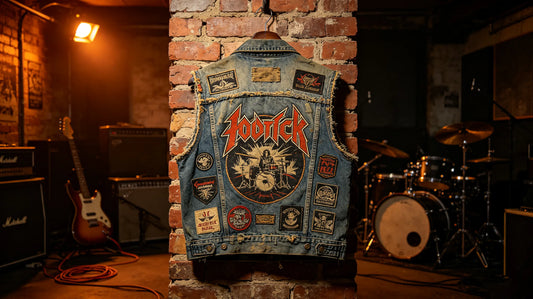
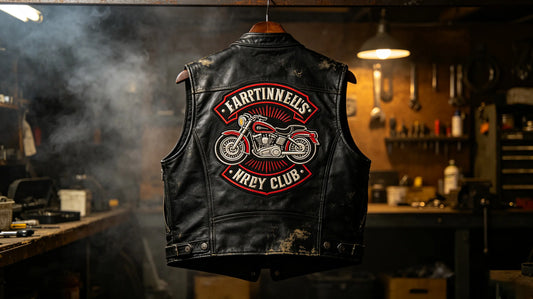
- You are creating uniforms, tactical gear, biker vests, school and team apparel
- Long‑term durability and fade resistance are your top priority

7. When You Should Choose Printed Patches
Go with printed patches for these design scenarios:
- Your artwork includes portraits, people, pets or photo imagery
- You need smooth color gradients, shadows, blur effects or multi‑tone blending
- Your design has dozens of colors and intricate small details
- You are making event merch, temporary team wear, fashion apparel and casual gifts
- You want a super flat, low‑profile patch with zero bulk on lightweight fabric
8. Common Mistakes To Avoid
- Using embroidery for photo artwork — Photos will turn blocky, blurred and lose all facial/feature detail.
- Using printed patches for heavy‑duty uniforms — Long‑term frequent washing will gradually fade printed ink.
- Overpaying for complex embroidered logos — Multi‑color complex designs are always cheaper in printed version.
- Expecting texture from printed patches — Printed patches are always flat with zero stitching texture.
9. Backing Compatibility
Both embroidered and printed patches support all standard backing options:
- Sew‑on (most durable)
- Iron‑on heat seal
- Hook‑and‑loop removable velcro
- Sticker temporary backing
You can freely match either patch style to your preferred installation method for your custom order.

Final Thoughts
Embroidered and printed patches each dominate their own categories. Embroidered patches win for texture, durability and classic premium styling, ideal for long‑term uniforms and heavy‑wear gear. Printed patches win for detail, color range and photo realism, perfect for complex gradient artwork, portraits and lightweight fashion apparel.
There is no universal “better” option — the best choice depends entirely on your design type and usage environment. Matching the correct patch style to your artwork will guarantee professional, high‑quality results for every batch of your custom embroidered patches.
FAQ
Q: Are printed patches as durable as embroidered patches?
A: Printed patches offer good daily durability but are slightly less fade‑resistant than high‑quality embroidered patches after years of heavy washing and outdoor exposure.
Q: Can printed patches do gradients and photos?
A: Yes. Printed patches excel at photo‑realistic imagery, smooth gradients and multi‑tone shading — details that embroidery cannot replicate.
Q: Are printed patches cheaper than embroidered patches?
A: For complex multi‑color designs, printed patches are much cheaper. For simple bold logos, pricing is very similar.
Q: Do printed patches feel bulky on clothing?
A: No. Printed patches are ultra‑flat and lightweight, making them far more comfortable on thin t‑shirts than thick embroidered patches.
Q: Which patch looks more high‑end?
A: Embroidered patches deliver classic premium tactile quality, while printed patches offer modern clean high‑definition visual quality. The best style depends on your brand aesthetic.
Tags:
Previous
Custom Patch Border Guide 2026 | Merrow Border Vs Heat Cut Border
Next
Custom Patch Backing Options 2026 | Full Guide to All Backing Types