Sew On Patches: Durable Custom Patches for Long-Lasting Wardrobe Fixes
When it comes to permanent wardrobe repairs and long-lasting customization, sew on patches are unmatched. Unlike iron on patches that may peel over time, sew on patches offer a secure, permanent attachment that stands up to years of daily wear, frequent washes and heavy use. Whether you’re repairing a well-loved pair of jeans, customizing a jacket, or adding flair to outdoor gear, sew on patches are the reliable choice for durability.
While sewing requires a little more effort than iron on application, the results are worth it: a patch that stays firmly in place, even on items that get constant friction (like jeans knees, backpack straps or jacket elbows). Sew on patches are versatile too — they work on nearly all fabrics, from thick denim and canvas to lightweight cotton and fleece, making them perfect for every part of your wardrobe.
For anyone seeking a long-term solution to wardrobe wear and tear, durable sew on patches are a must-have. They not only repair damage but also add a personalized touch to plain items, turning old clothes into unique pieces that you’ll wear for years. Even if you’re new to sewing, basic hand-sewing skills are easy to learn, making sew on patches accessible to everyone.
How to Sew On Patches (Step-by-Step Guide for Beginners)
-
Prepare Your Materials: Gather your sew on patch, fabric item, needle, thread (matching the patch or fabric), scissors and pins. Choose thread that’s durable (cotton or polyester) for long-lasting results.
-
Position the Patch: Place the patch on the desired spot, then use pins to hold it securely in place. Make sure the patch is straight and centered — this ensures a neat, polished look.
-
Thread the Needle: Cut a length of thread (about 18 inches) and thread it through the needle. Tie a knot at the end of the thread to prevent it from pulling through the fabric.
-
Start Sewing: Begin sewing from the back of the fabric to hide the knot. Use a simple running stitch or blanket stitch around the edges of the patch. For extra durability, sew a second row of stitches around the inner edge of the patch.
-
Finish & Secure: When you reach the starting point, tie a knot on the back of the fabric to secure the thread. Trim any excess thread, and your patch is permanently attached.

Best Fabrics for Sew On Patches
-
Denim & Canvas: The most popular choices — thick, durable fabrics that hold stitches well and pair perfectly with sew on patches.
-
Cotton & Fleece: Easy to sew on, ideal for t-shirts, hoodies and casual wear. Use a lighter thread for delicate cotton fabrics.
-
Leather & Faux Leather: Works with sew on patches, but use a heavy-duty needle and thread for best results. Test a small area first to avoid damaging the material.
-
Polyester & Nylon: Sew on patches adhere well, but use a polyester thread to prevent fraying and ensure durability.
-
Delicate Fabrics: Silk, satin and lace can be sewn on, but use a fine needle and gentle stitches to avoid tearing.

Top Uses for Sew On Patches (Long-Lasting Daily Scenarios)
1. Permanent Wardrobe Repairs
Sew on patches are perfect for repairing items that get frequent use: jeans knees, jacket elbows, backpack straps and hoodie cuffs. They provide a strong, permanent fix that won’t peel or come loose, extending the life of your favorite clothes. For reliable repair options, browse sew on repair patches designed for heavy wear.
2. Customizing Work & Outdoor Gear
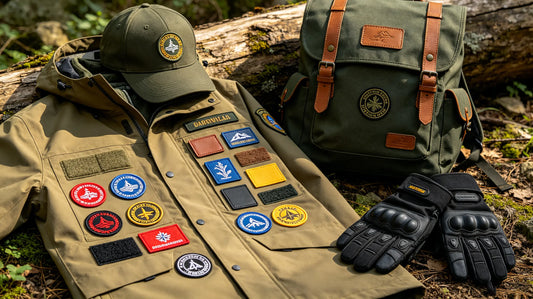
Work uniforms, outdoor jackets and tactical gear need patches that can withstand harsh conditions. Sew on patches offer the durability needed for these items, staying secure through rain, wind, friction and frequent washes.
3. Vintage & Thrifted Clothing Upgrades
Give thrifted or vintage clothes a new lease on life with sew on patches. Cover stains, holes or worn areas, and add a personal touch to make old pieces feel new again — perfect for sustainable fashion lovers.
4. Kids’ Durable Clothing
Kids’ clothes take a lot of abuse, so sew on patches are ideal for repairing playwear, school clothes and jackets. They stay securely attached even through rough play and frequent washes, saving parents money on replacements. Choose kid-friendly sew on patches with fun designs and soft edges.
5. Handmade & Artisanal Crafts
Sew on patches are a favorite among crafters for adding personality to handmade items: quilts, tote bags, stuffed animals and more. They provide a permanent, polished finish that elevates any craft project.

Pro Tips for Sewing On Patches (Beginner-Friendly)
-
Use pins to hold the patch in place — this prevents it from shifting while you sew, ensuring a neat result.
-
Choose thread that matches the patch or fabric for a seamless look, or use a contrasting thread for a bold, decorative touch.
-
For beginners, start with a simple running stitch — it’s easy to learn and provides a secure hold.
-
Sew around the edges of the patch twice for extra durability, especially on items that get heavy use.
-
If you don’t have a needle and thread, a sewing machine can be used for faster, more even stitches (great for larger patches).

Popular Sew On Patch Designs for Daily Use
-
Classic embroidered designs (perfect for denim jackets and work uniforms).
-
Vintage logos and retro patterns (great for thrifted clothes and vintage-inspired outfits).
-
Durable PVC rubber designs (ideal for outdoor gear and work clothes).
-
Custom name or initial patches (for personalization and identification).
-
Nature and outdoor themes (perfect for hiking and camping gear).
Final Thoughts
Sew on patches are the gold standard for permanent, long-lasting wardrobe repairs and customization. While they require a little more effort than iron on patches, their durability and versatility make them worth it — especially for items that get frequent use.
Whether you’re repairing a favorite pair of jeans, customizing a work uniform, or adding flair to outdoor gear, custom sew on patches offer a reliable, stylish solution. With endless designs and materials to choose from, you can create a look that’s uniquely yours, while extending the life of your wardrobe for years to come.

FAQ
Q: Are sew on patches more durable than iron on patches?
A: Yes, sew on patches offer a permanent, more durable attachment than iron on patches. They stay securely in place through frequent washes, heavy use and friction. For the most durable options, explore our sew on patch collection.
Q: Do I need sewing skills to use sew on patches?
A: Basic hand-sewing skills are all you need — even beginners can learn a simple running stitch in minutes. There are plenty of tutorials online to help you get started, and the process is straightforward.
Q: Can I sew on patches with a sewing machine?
A: Absolutely! A sewing machine makes the process faster and more even, especially for larger patches or thick fabrics like denim. You can use a straight stitch or zigzag stitch around the edges of the patch for extra security.
Q: Will sew on patches damage my clothes?
A: No, as long as you use the right needle and thread for your fabric. For delicate fabrics, use a fine needle and gentle stitches to avoid tearing. Sew on patches actually extend the life of your clothes by repairing damage.
Q: Can I remove sew on patches if I change my mind?
A: Yes, you can remove sew on patches by carefully cutting the threads with scissors. Go slowly to avoid damaging the fabric, and use a seam ripper for easier removal (especially for small stitches).
Tags:
Previous
Custom Embroidered Patches: Premium Stitched Patches for Every Style & Need
Next
How to Order Custom Embroidered Patches: A Step-by-Step Guide for Perfect Results