Velcro Patches 2026 | Ultimate Guide to Hook & Loop Removable Patches
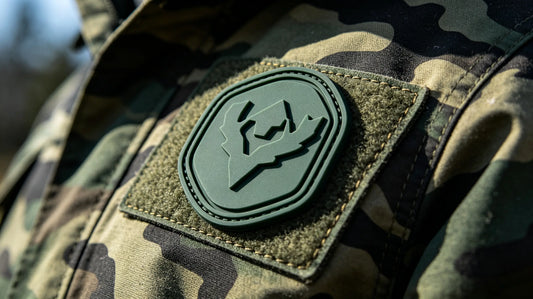
Velcro patches (hook and loop patches) are the dominant standard for tactical, military, outdoor, and collectible patch culture. Unlike permanent sew-on or iron-on patches, velcro custom patches feature a dual removable system that allows users to swap, replace, mix, and match patches anytime.
Velcro backing is the only patch installation method that offers 100% reusability and zero garment damage. For tactical vests, backpacks, military uniforms, morale collections, and seasonal branding updates, velcro patches are unbeatable.
Many customers misunderstand velcro patch durability, thinking removable equals low-quality. In fact, high-grade industrial velcro backing is extremely heavy-duty, washable, and long-lasting when installed correctly. This 2026 ultimate guide explains velcro patch mechanics, backing types, installation, durability, washing rules, and best use cases for your custom patches.

1. What Are Velcro Hook & Loop Patches?
Velcro patches consist of two industrial-grade components:
- Hook side: Hard, tiny plastic hooks stitched onto the back of your custom patch
- Loop side: Soft fuzzy fabric panel sewn onto your gear, uniform, or bag
When pressed together, the hooks lock firmly into the loop fibers, creating a strong, stable hold. When pulled upward, they separate cleanly without tearing fabric, leaving no holes, marks, or residue.
Velcro backing can be applied to embroidered, woven, sublimation, and PVC rubber patches, making it the most versatile removable patch system in the industry.
2. Two Types of Velcro Patch Backing
Full Velcro Backing
The entire rear surface of the patch is covered with hook material.
- Maximum holding strength, no loose corners
- Completely rigid flat positioning
- Best for square, rectangle, circle standard patches
- Most popular for tactical morale patches
Border Velcro Backing
Velcro tape stitched only along the patch perimeter, center empty.
- Lighter weight, softer flexibility
- Reduced bulk on curved surfaces
- Ideal for large back patches and oversized emblems
- Prevents rigid board-like feel on big patches

3. Key Advantages of Velcro Patches
Fully Removable & Swappable
Change your patch design daily, weekly, or seasonally. Perfect for morale collections, holiday themes, team rotations, and dynamic branding.
Zero Garment Damage
No stitching holes, no adhesive residue, no heat damage. Velcro is the gentlest patch mounting method for high-value vests, jackets, and tactical gear.
Fully Reusable & Collectible
Patches can be removed, stored, and reapplied indefinitely. Collectors build massive patch sets and swap designs without wasting patches.
Washable & Durable
Premium industrial velcro withstands machine washing, outdoor rain, mud, and heavy friction better than iron-on adhesive.
Perfect for Uniform Compliance
Military, security, and public safety teams can quickly swap rank badges, unit insignia, and qualification patches without altering uniforms permanently.
Tidy & Professional Look
Velcro patches lay flat, hold alignment perfectly, and never shift or twist during wear.
4. Limitations of Velcro Patches
Slight Extra Bulk
Velcro tape adds thin layered thickness compared to flat sew-on patches. Very thin fashion apparel may feel slightly bulky.
Requires Loop Panel Base
You must have loop fabric on your gear. Regular cotton t-shirts require sewing loop tape first.
Not Invisible
Velcro backing creates a subtle patch-shaped outline under tight fabric. Not ideal for ultra-minimal hidden branding.
Higher Cost Than Standard Backings
Industrial velcro material and extra stitching labor make it a minor premium upgrade over free sew-on or iron-on backing.

5. Velcro VS Iron-On VS Sew-On Patches
Permanence
- Sew-On: Permanent
- Iron-On: Semi-Permanent
- Velcro: Fully Removable / Reusable
Durability
- Sew-On: Highest (lifetime)
- Velcro: Very High (industrial grade)
- Iron-On: Medium (limited wash cycles)
Reusability
- Velcro: Unlimited reuse
- Sew-On / Iron-On: Non-reusable
Fabric Safety
- Velcro: Zero damage
- Iron-On: Heat risk
- Sew-On: Minor needle holes
Best Scenario
- Velcro: Tactical, military, collectibles, rotating insignia
- Sew-On: Long-term apparel, fashion, merch
- Iron-On: Fast DIY casual clothing
6. Best Use Cases for Velcro Patches
Tactical & Military Gear
Morale patches, unit logos, rank insignia, mission-specific badges.
Security & Public Safety Uniforms
Easily swap department patches, training badges, and qualification markers.
Outdoor & Adventure Gear
Backpacks, hiking bags, camping vests, travel luggage.
Patch Collectors & Enthusiasts
Build rotating patch displays, swap designs, and preserve patch collections.
Corporate & Event Staff
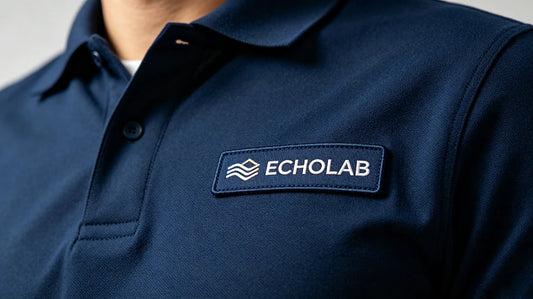
Temporary event branding, seasonal team badges, conference staff identification.

7. Velcro Patch Installation Guide
Step 1: Attach Loop Tape to Your Gear
Sew loop-side velcro panel onto your garment, vest, or bag surface. Loop tape is soft and fuzzy.
Step 2: Align Patch
Line up the hook-backed patch perfectly on the loop surface.
Step 3: Firm Press Application
Press down evenly across the entire patch for 3–5 seconds to fully engage all hooks.
Step 4: Test Secure Hold
Gently tug upward to confirm full adhesion before outdoor use.
8. Washing & Maintenance for Velcro Patches
Velcro patches deliver excellent long-term durability with simple care:
- Remove patches before machine washing for maximum lifespan
- Brush lint, hair, and dirt out of hook loops regularly
- Wash gear on cold gentle cycle
- Air dry only — high heat weakens velcro fiber strength
- Keep hook and loop surfaces clean for maximum grip
Lint buildup is the #1 cause of weak velcro holding power. Regular brushing restores full strength.

9. Common Velcro Patch Mistakes to Avoid
Leaving Lint in Hook Fibers
Clogged velcro loses grip strength and fails prematurely.
Using Low-Quality Thin Velcro
Cheap velcro detaches easily after light friction; always choose industrial-grade.
Applying on Stretchy Fabric
Stretching loosens velcro bonds over time. Best used on rigid stable gear surfaces.
Washing Patches Attached
Repeated machine washing wears down velcro fibers faster.
Final Thoughts
Velcro hook-and-loop patches are the ultimate flexible, reusable, and durable solution for tactical gear, military uniforms, outdoor equipment, and patch collections. They offer unbeatable swapability, zero garment damage, and industrial-grade durability that outperforms iron-on backing.
While slightly bulkier and pricier than standard backings, velcro patches deliver unique functionality no other patch style can match. If you need rotating designs, removable insignia, or collectible patch displays, velcro custom patches are always the best choice.
FAQ
Q: Are velcro patches durable?
A: Yes, industrial-grade velcro patches are highly durable, washable, and built for heavy outdoor and tactical use.
Q: Can you wash velcro patches?
A: Yes, but removing them before washing significantly extends their service life.
Q: Do velcro patches fall off easily?
A: No, high-quality velcro locks tightly and remains secure during running, hiking, and outdoor activity.
Q: Can you add velcro backing to any patch?
A: Yes, embroidery, woven, sublimation, and PVC rubber patches can all be upgraded to velcro backing.
Q: Is velcro better than iron-on?
A: Velcro is far more durable, reusable, and reliable for long-term use compared to semi-permanent iron-on.
Tags:
Previous
Iron On Patches 2026 | Ultimate Guide to Heat Seal Custom Patches
Next
Sew On Patches 2026 | Ultimate Guide to Permanent Custom Patches