Custom 3D Embroidered Patches for Pet Accessories & Pet Brand Merchandise | Design Guide, Durability & Styling Ideas
The pet industry focuses on tenderness, safety and personalized aesthetics. Pet owners and boutique pet brands pursue unique decorative details for pet collars, harnesses, bandanas, pet hoodies and gift merchandise. In the market, common decorative accessories include flat direct embroidery, printed labels, rigid PVC rubber patches and metal pet tags. However, 3D Embroidered Patches have gradually become the mainstream high-end choice for pet customization, completely different from other ordinary decorations.
The core craftsmanship of pet-grade 3D Embroidered Patches is exclusive foam stereo molding: high-tensile polyester embroidery threads fully wrap closed-cell safe EVA foam attached to polyester twill base fabric, forming soft, rounded three-dimensional raised texture. Unlike flat embroidery that lacks layering, rigid PVC patches that harden and scratch, and metal tags that are heavy and easy to rust, foam-based 3D Embroidered Patches are lightweight, flexible, bite-resistant and pet-safe. They will not hurt pet skin or restrict daily activities such as running and crawling.
Pet accessories face frequent friction, regular cleaning, outdoor sun exposure and occasional biting. Inferior ordinary patches are prone to thread shedding, foam collapse, edge exposure and fading. This professional guide focuses 100% on foam-based 3D Embroidered Patches for pet scenarios, strictly distinguishing them from flat embroidery, PVC rubber patches and metal pet tags, detailing pet-safe material formulas, cute design rules, backing selection and wear-resistant production standards.

Part 1: Why Pet Accessories Prefer 3D Embroidered Patches
1.1 Pet-Safe Soft Stereo Texture, No Injury Risk
Metal pet tags have sharp edges and are heavy, which easily friction damages pet neck skin; hard PVC patches are easy to harden in low temperature and crack, causing scratching risks. In contrast, 3D Embroidered Patches adopt full thread-wrapped foam structure, with smooth and rounded overall edges, soft touch and no hard corners. It fits pet body curves perfectly, does not hinder pet movement, and effectively avoids skin abrasion and accidental injury, which is the most friendly decoration for cats and dogs.
1.2 Lightweight & No Burden for Long-Term Wear
Compared with thick rubber patches and solid metal tags, foam-based 3D Embroidered Patches are ultra-lightweight. Even after long-term wearing on pet collars and harnesses, they will not cause neck pressure or burden small pets such as kittens and puppies, solving the pain point of heavy traditional pet identification accessories.
1.3 Strong Personalized Customization Aesthetics
Flat embroidery is single and lacks three-dimensional sense, while 3D Embroidered Patches have distinct layered stereo vision. Custom pet names, paw prints, animal silhouettes, birthday patterns and exclusive team logos can form prominent raised effects, making pet accessories unique and highly recognizable, meeting the personalized dressing needs of pet owners.
1.4 Excellent Wear Resistance & Wash Stability
Pet bandanas, clothes and collars need frequent cleaning. Qualified 3D Embroidered Patches with full edge wrapping stitches and high-color-fastness threads can resist repeated washing and daily friction, not easy to fade or deform. Their durability is far better than printed labels that fall off easily and flat embroidery that frays easily.
1.5 Wide Compatibility with Pet Products
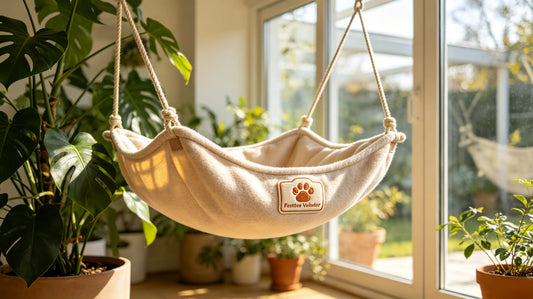
3D Embroidered Patches can be freely applied to nylon collars, breathable harnesses, cotton bandanas, fleece pet hoodies, pet backpacks and pet shop peripheral merchandise. Pet brands can form unified brand visual sets through customized matching patches to improve product grade.
Part 2: Core Design Guidelines for Pet 3D Embroidered Patches
2.1 Simplify Graphics to Adapt to Pet Wear Scenarios
Pet patches are usually installed on collars and small clothes with narrow space. Overly complicated patterns, ultra-thin lines and tiny text cannot support complete foam wrapping embroidery.
- Minimum uppercase letter height: 6mm for 2mm foam 3D Embroidered Patches; 8mm for 3mm high-relief foam embroidery.
- Ultra-fine outlines must be thickened during artwork optimization to prevent incomplete stitching and exposed foam after long-term friction.
2.2 Standard Sizing Reference for Pet 3D Embroidered Patches
- Mini collar ID patch: 3cm – 5cm
- Medium decorative patch for pet bandanas: 6cm – 9cm
- Large decorative patch for pet hoodies and harness backs: 10cm – 15cm
2.3 Color Matching Suggestions for Pet Products
Match thread colors strictly according to brand design requirements. Select Grade 4+ lightfast and wash-resistant polyester threads. Inferior threads will fade after sunlight exposure and repeated washing, contaminating pet fur. Popular styles include low-saturation neutral tones, bright contrasting colors and fresh cartoon color schemes for pet boutique products.
2.4 Contour Processing Requirements
Common shapes for pet patches include rounded rectangles, oval, paw silhouettes and animal outlines. All outer edges of 3D Embroidered Patches require continuous surrounding wrapping stitches to fully seal foam, preventing moisture infiltration and foam exposure during washing and outdoor activities.

Part 3: Specialised Material Selection for Pet 3D Embroidered Patches
All materials listed below are designed exclusively for foam-based 3D Embroidered Patches, not applicable to silicone patches, metal tags and flat embroidery.
Embroidery Thread
High tenacity polyester thread with Grade 4+ light and wash fastness. Cotton thread is not recommended for pet accessories; cotton threads wear quickly and absorb water, leading to accelerated aging.
Base Fabric
Medium-weight polyester twill. Stable twill prevents patch warping after repeated washing and friction, offering reliable support for dense foam wrapping stitches.
3D Relief Core: Closed-Cell EVA Foam
Medium-hardness closed-cell EVA foam is the standard material for pet 3D Embroidered Patches. Excessively soft foam will permanently flatten under squeezing and biting; overly hard foam reduces softness and comfort.
- 2mm foam: universal choice for collar ID patches, bandana and clothing decoration
- 3mm foam: suitable for large decorative patches on pet outerwear requiring obvious stereo effect
Backing Selection for Pet 3D Embroidered Patches
✅ Sew-On Backing (Top Recommendation for Pet Accessories) The safest and most stable solution. No adhesive aging risk. Firm stitching prevents accidental falling off when pets run, shake or bite, ideal for long-term use on collars, harnesses and pet apparel.
⚠️ Iron-On Backing (Limited Application) Suitable for temporary decoration on seldom-washed pet clothing. Not recommended for collars and daily wear items; repeated washing will cause adhesive failure and patches may detach.
⚠️ Hook & Loop Backing Suitable for interchangeable decorative patches on pet tactical harnesses, convenient for pattern switching, less common for daily pet accessories.
Edge Finishing Options for 3D Embroidered Patches
- Merrow Stitched Border Widely used for regular pet name patches and brand logos. Reinforced edge stitching avoids thread fraying during daily friction, presenting neat boutique style.
- Laser Cut Edge Ideal for irregular cartoon animal silhouettes and paw print patterns. Precise laser trimming creates clean outlines. Manufacturers must add continuous foam wrapping stitches to seal all cut edges.
- Hot Cut Edge Only fit tiny lightweight souvenir patches. Avoid hot cut edges for pet collar identification patches; heat-sealed edges may separate after repeated washing.

Part 4: Critical Production Requirements for Pet 3D Embroidered Patches
Professional 3D Embroidery Digitizing
- Calibrate balanced stitch density to avoid excessive compression flattening foam under friction and washing
- Mandatory full foam edge wrapping stitches to completely cover foam and block water intrusion
- Add surrounding stabilizing running stitches to reduce edge curling after multiple laundry cycles
Pre-Production Sample Confirmation
Pet brand orders pursue unified visual performance. Always confirm physical pre-production samples before mass production. Digital renderings cannot reflect real foam height, stitch tightness and color restoration effect. For large batch orders, complete simulated washing and friction testing on samples.
Batch Color Consistency Control
All 3D Embroidered Patches within one order adopt unified thread lots to avoid color difference, ensuring every pet accessory carries patches with consistent appearance.
Part 5: Application & Care Tips for Pet 3D Embroidered Patches
- Use durable polyester sewing thread when attaching sew-on 3D Embroidered Patches to pet accessories.
- Do not install patches on positions that closely rub against pet skin for a long time.
- Turn pet clothes inside out before washing to protect embroidery surface.
- Adopt low-temperature air drying; high temperature will deform the internal foam structure of 3D Embroidered Patches.
- Do not iron directly on raised foam embroidery surface.

Part 6: Common Defects of Pet 3D Embroidered Patches & Solutions
1. Embroidery thread fades after washing and sunlight exposure
Cause: Low light and wash fastness thread Solution: Specify Grade 4+ resistant polyester thread for all pet 3D Embroidered Patches
2. Raised foam surface becomes permanently flat
Cause: Overly soft EVA foam or over-dense stitch compression Solution: Select medium-hardness closed-cell foam and adopt balanced digitizing parameters for 3D Embroidered Patches
3. Foam exposed from patch edges after long-time use
Cause: Missing full surrounding wrapping stitches Solution: Write full foam edge wrapping requirements into formal production specifications for every 3D Embroidered Patch
4. Iron-on backed patches fall off after washing
Cause: Adhesive damaged by water and temperature Solution: Switch to sew-on backing for daily pet accessories
5. Patch edges curl after repeated washing
Cause: Insufficient stabilizing stitches or thin base twill Solution: Upgrade to medium-weight twill and add reinforcing running stitches during digitizing
Part 7: Maintenance Guidance for Pet Accessories with 3D Embroidered Patches
- Wash pet clothes and bandanas inside out with mild detergent, choose cold or lukewarm water cycles
- Avoid bleach and strong stain removers that damage thread color and foam structure
- Air dry away from direct sunlight, prohibit high-temperature tumble drying
- Do not scrub hard on raised embroidery areas during cleaning
- Avoid long-term heavy squeezing during storage to retain stereo shape
Part 8: 2026 Industry Trend for Pet 3D Embroidered Patches
More pet boutique brands and pet owners abandon metal tags and printed labels, and choose foam-based 3D Embroidered Patches. Safety, softness and washing durability become core purchasing standards. Custom pet name patches and holiday limited decorative patches are increasingly popular in pet e-commerce. Small-batch custom services become more mature for independent pet brands. Buyers pay attention to stable foam thickness and complete edge wrapping to reduce after-sales problems, and sew-on patches are the mainstream choice for formal pet product matching.

Final Summary Core Rule
Custom 3D Embroidered Patches built with thread-wrapped closed-cell foam provide safe, personalized three-dimensional decoration for pet collars, harnesses, bandanas and pet brand merchandise, with obvious advantages over flat embroidery, PVC patches and metal pet tags. Sew-on backing is the most reliable option for daily pet accessories. Design needs to balance delicate patterns and embroidery production feasibility, and production must implement full foam edge wrapping and UV-resistant polyester thread. With standardized material selection and professional 3D embroidery digitizing, foam embroidered patches maintain stereo shape and color stability during long-term pet use and repeated cleaning.
Frequently Asked Questions
Q1: Which backing is suitable for 3D Embroidered Patches used on pet collars? A: Sew-on backing is strongly recommended for pet collars to guarantee safety; iron-on backing is only suitable for infrequently washed pet clothing decoration.
Q2: Can cartoon pet portraits and paw print patterns be made into 3D Embroidered Patches? A: Yes. Designers need to simplify ultra-thin lines and tiny text to meet foam embroidery production standards.
Q3: Are 3D Embroidered Patches safe for cats and dogs? A: Yes. Sew-on foam embroidery patches are soft without sharp edges, safer than metal tags and hard plastic accessories for pets.
Q4: What foam thickness is recommended for most pet collar decorative patches? A: 2mm medium-hardness closed-cell foam balances stereo effect and wearing comfort for most pet collar patches.
Tags:
Previous
Custom 3D Embroidered Patches for Youth Groups, Scouts & Clubs | Uniform Branding, Activity Souvenirs and Custom Design Tips
Next
Custom 3D Embroidered Patches for Motorcycles, Biker Clubs & Riding Gear | Custom Logos, Durability & Styling Tips