Best Fabrics to Match 3D Puff Embroidered Patches for Perfect Fitting
When making custom decoration with 3D puff embroidered patches, apart from design style and fixing methods, fabric material of attached garments also greatly influences the final presentation effect. Different fabrics carry different hardness, thickness and ductility, which directly decide whether the raised patch can fit smoothly, stay stable and show elegant stereo beauty.
Many people encounter loose sticking, uneven bulging or distorted outline just because of mismatched fabric selection. Knowing which materials are friendly to stereo embroidery helps avoid decorative flaws. Reliable custom 3D embroidered patches can adapt to most mainstream thick and medium thickness fabrics, and proper collocation maximizes ornamental charm.
Why Fabric Property Matters for 3D Patch Decoration
The core feature of 3D puff embroidered patches is raised three-dimensional outline, which needs solid fabric support to keep complete shape. Ultra soft and overly thin materials lack enough bearing force, unable to hold the patch steadily and easy to produce wrinkled deformation. Too hard and rigid fabrics will make the patch edge unable to fit radian naturally, affecting overall harmony.
Elasticity, thickness and surface roughness all affect fixing firmness. Fabrics with moderate elasticity can bend together with patches when wearing activities happen, preventing thread breakage and glue falling. Coarse textured fabrics form strong friction with patch backside, improving anti-slip performance. Learning fabric characteristics lays foundation for satisfactory collocation of 3D puff embroidery patches.

Top 1 Ideal Matching Fabric: Pure Cotton Material
Pure cotton fabric ranks as the most universal and compatible material for 3D puff embroidered patches. Medium thickness cotton cloth used for hoodies, sweatshirts and casual tops owns soft texture and proper supporting strength. It can perfectly fit the radian of raised patches without rigid bulging feeling.
Cotton material has fine air permeability and mild elasticity, suitable for daily repeated bending and stretching. Iron-on, sew-on and velcro backing patches all get stable attaching effect on cotton surface. The plain and soft background texture can highlight bright thread color and layered stereo sense of embroidery patterns.
For daily casual clothing, brand casual wear and student daily outfits, choosing cotton fabric to match custom 3D patches always creates comfortable and eye-catching decorative results. It is the safest choice for beginners to make patch decoration.
Top 2 Classic Matching Fabric: Denim Cloth
Denim is timeless classic material matching bold 3D puff embroidered patches. Thick and wear-resistant denim has strong bearing capacity, fully supporting high stereo patches without shape collapse. Deep color and rough grain texture form sharp visual contrast with delicate embroidery craft, enhancing street fashion temperament.
Denim jackets, jeans and denim hats are common carriers for personalized 3D patch decoration. Firm fabric structure guarantees long-term stable attachment, not easy to shift or warp after frequent wearing and washing. Bold logo, totem and letter styled patches show extraordinary personality charm on denim products.
Fashion brands often take denim collocation as mainstream design direction, using distinctive custom 3D embroidered patches to upgrade basic denim garments into trendy exclusive outfits.

Top 3 Durable Matching Fabric: Canvas Material
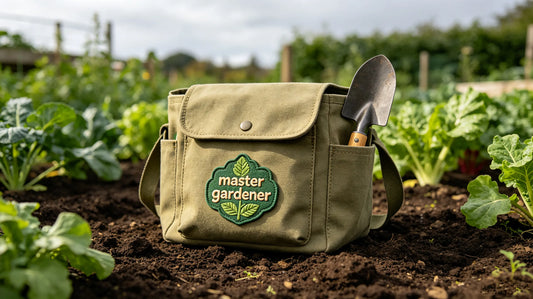
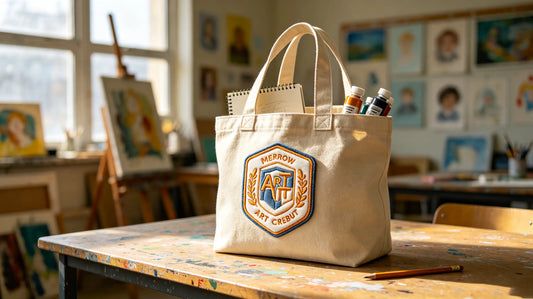
Thick canvas fabric is widely applied on bags, outdoor coats and work costumes, perfectly compatible with practical styled 3D puff embroidered patches. Canvas features solid texture, strong tension and outstanding wear resistance, adapting to complex outdoor environment and frequent friction use.
The compact surface structure enables patches to stick or sew firmly, maintaining neat appearance all the time. Neutral tone canvas background sets off clear outline and vivid color of embroidery patterns. Outdoor backpacks, travel bags and field work clothes decorated with 3D patches not only own recognizable brand marks, but also keep durable service performance.
Canvas collocated 3D patches are favored by outdoor enthusiasts and engineering staff, balancing practical function and personalized decorative effect.
Top 4 Functional Matching Fabric: Tactical Fabric
Special woven tactical fabric is exclusive matching material for tactical styled 3D puff embroidered patches. This kind of fabric is compact, scratch-resistant and moderately tough, specially made for tactical vests, military uniforms and protective equipment.
The reserved velcro base surface on tactical fabric can perfectly cooperate with detachable velcro backing patches, realizing convenient disassembly and style replacement. Fabric toughness can resist outdoor collision and scraping, protecting patches from damage during sports. Dark color system matches military and outdoor styling positioning, presenting tough and neat visual style.
Tactical fabric and stereo embroidery patches form professional functional collocation, widely used in team tactical equipment and outdoor adventure outfit decoration.

Not Recommended Fabrics for 3D Puff Patches
Some materials are not suitable for pasting or sewing 3D puff embroidered patches, easily causing poor decorative experience. Ultra thin chiffon, silk and super lightweight lining cloth lack supporting force, prone to wrinkling and uneven protrusion after attaching patches.
Overly smooth chemical fiber fabric has small surface friction, iron-on patches are easy to shift and peel off in daily activities. Highly elastic tight sport fabric will stretch repeatedly, pulling patch edges and leading to loose threads and deformed patterns. Avoid applying 3D patches on these materials to save unnecessary modification cost.
Practical Fabric Matching Tips for Different Backing Patches
Combine backing types with fabric properties to achieve optimal fitting effect. Sew-on backing patches fit cotton, denim and canvas most stably, strong stitching combines fabric and patch closely.
Iron-on backing patches work best on flat thick cotton and denim, smooth and solid surface ensures full glue bonding. Do not use iron-on method on loose woven fabric to prevent insufficient adhesion.
Velcro backing patches prioritize tactical fabric and thick canvas with fixed loop surface, realizing flexible replacement and stable fitting effect.

Final Fabric Selection Summary
Cotton, denim, canvas and tactical fabric are four dominant suitable materials for 3D puff embroidered patches. Each material forms unique styling characteristics after matching stereo embroidery, covering daily leisure, street trend, outdoor practical and tactical functional styles.
Avoid ultra-thin, super smooth and excessive elastic fabrics to keep perfect patch shape and firm attachment. Reasonable fabric collocation can fully display design creativity of custom patches, making every decorative detail stable, beautiful and durable.

Frequently Asked Questions
Q1: Can 3D puff patches be attached on common cotton hoodies?
A: Absolutely yes. Cotton is the most compatible fabric, presenting soft and natural decorative effect.
Q2: Is denim suitable for large size 3D embroidery patches?
A: Very suitable. Thick denim provides strong support, ideal for bold and oversized patch designs.
Q3: Why patches fall off easily on thin chemical fiber clothes?
A: Smooth surface leads to poor adhesion, thin material cannot support raised patches steadily.
Q4: Which fabric matches detachable velcro 3D patches best?
A: Tactical fabric and thick canvas are the top choices for velcro patch application.
Tags:
Previous
Are 3D Puff Patches Washable? Complete Washing & Care Guide
Next
Common Mistakes to Avoid When Ordering Custom 3D Puff Embroidered Patches