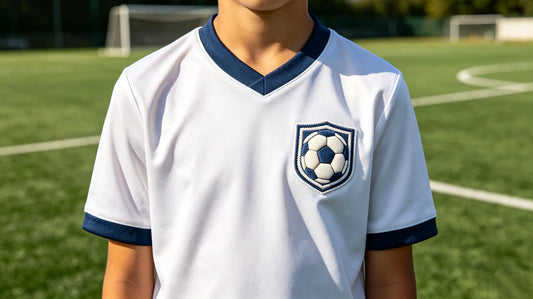
How to Care & Wash 3D Puff Patches | Complete Maintenance Guide for Long Lifespan
3D puff embroidered patches feature unique raised texture and layered stereo effect, which makes them more beautiful than ordinary flat patches, yet also more vulnerable to improper care. Wrong washing temperature, fierce machine stirring, high-temperature drying and random ironing will easily lead to flattened foam, peeling backing, loose threads and color fading.
Many customers spend time and money on custom exquisite patches, but they lose the original look after just a few washes. Learning scientific daily care and washing rules can effectively retain the stereo shape, bright color and neat stitching of patches, greatly extending their service life.
This all-round maintenance guide covers hand washing, machine washing, drying, ironing and storage rules. It also lists common wrong operations to avoid. Whether you wear patched apparel daily or collect spare patches, you can keep them looking brand new for years. Professional custom 3D embroidered patches are crafted with premium materials, and proper care will maximize their durability.
Why 3D Puff Patches Need Special Care
Different from fully flat embroidery, the core structure of 3D puff patches is elastic EVA foam wrapped by dense stitches. This three-layer structure has natural limitations:
- The internal foam is easy to deform and flatten under strong extrusion and high temperature.
- Hot melt glue on iron-on backing may fail and peel off when encountering overheated water or long-time soaking.
- Embroidery threads will fade and wear faster under strong friction and direct sunlight.
- Loose thread ends and edge stitches may unravel if rubbed repeatedly.
Therefore, daily maintenance must focus on protecting the stereo structure, backing adhesion and embroidery surface.

Part 1: Standard Washing Methods (Hand Wash & Machine Wash)
1. Recommended Gentle Hand Washing (Best Choice)
Hand washing is the safest way for all types of 3D puff patches, especially for high-value collection patches, kids’ patches and iron-on style patches.
- Step 1: Prepare clean warm water, keep water temperature below 30°C, never use boiling hot water.
- Step 2: Add neutral mild laundry detergent. Avoid alkaline soap, bleach, strong stain remover and fabric softener with chemical additives.
- Step 3: Turn the clothes inside out, gently press and rub the fabric part. Do not scrub, twist or squeeze the patch area hard.
- Step 4: Rinse thoroughly with clean water until no foam remains. Excessive detergent residue will cause yellowing and hardening of patches.
- Step 5: Squeeze out excess water gently, do not wring the clothes forcefully to prevent foam deformation.
2. Machine Washing Rules (For Daily Casual Garments)
If machine washing is necessary due to convenience, strictly follow the following rules to reduce damage:
- Always turn the garment inside out before putting it into the washing machine. Let the patch face inward to reduce friction with the drum.
- Put clothes into a laundry mesh bag for extra protection.
- Select gentle/soft cycle or delicate mode, reduce rotation speed and stirring strength.
- Set water temperature to cold or low warm, disable hot water function.
- Do not mix with rough fabrics such as denim and canvas to avoid strong friction.
- Never use bleach, disinfectant and strong chemical detergents.
Washing Taboos You Must Remember
- ❌ Do not soak patched clothes for a long time (no more than 30 minutes). Long soaking will weaken the adhesive of iron-on backing.
- ❌ Do not wash with heavily stained clothes to prevent cross-staining.
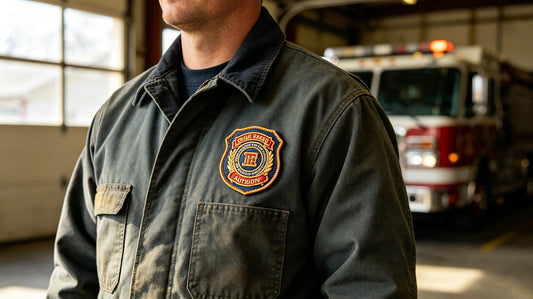
- ❌ Avoid industrial laundry for uniforms with 3D patches; high-temperature washing and strong detergent will cause permanent damage.

Part 2: Correct Drying Skills
Drying process directly affects the 3D shape of patches. Improper drying is one of the main causes of flattened foam.
1. Natural Air Drying (First Choice)
- After washing, arrange the patch to its original raised shape by hand before hanging.
- Hang clothes in a cool, ventilated place for natural air drying.
- Keep away from direct strong sunlight. Long-term sun exposure will make threads fade, foam age and turn yellow.
- Do not hang clothes on sharp hooks to avoid scratching patch edges.
2. Dryer Usage Rules (If You Have to Use)
- Set the dryer to low heat or air-only mode. High heat will melt the internal foam and hot melt glue.
- Shorten drying time appropriately, take out the clothes while they are slightly damp.
- Do not stack multiple thick clothes together for drying, preventing heavy extrusion.
Common Drying Mistakes
- Do not lay wet clothes flat under heavy objects for drying.
- Do not use hair dryer high heat to blow patches locally.
Part 3: Ironing Guidelines for 3D Puff Patches
Many people want to smooth wrinkled clothes but accidentally ruin 3D patches with improper ironing. Follow different rules based on backing types.
1. Iron-On 3D Puff Patches
- Do not directly iron the raised patch surface. High temperature will compress foam flat and damage the stereo effect permanently.
- If the surrounding fabric needs ironing, turn the clothes inside out and iron the reverse side only.
- If patch edges warp slightly, cover with a thin cotton cloth, use low temperature and quick press, do not stay in one spot.
2. Sew-On 3D Puff Patches
- Also avoid long-time high-temperature pressing on the patch front.
- Use a cloth as isolation, control temperature below 150°C, and minimize ironing times on the patch area.
Emergency Tip for Flattened Patches
If the foam is slightly flattened after washing or extrusion: Use the steam function of an iron at a distance, blow soft steam on the patch surface, then knead gently by hand to
help foam rebound and reshape.

Part 4: Daily Wearing & Partial Stain Removal
Daily Wearing Tips
- Avoid long-term heavy extrusion, such as sitting on patched clothing or putting thick heavy objects on patches.
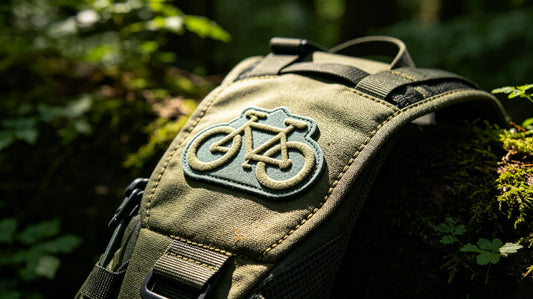
- For tactical gear and outdoor clothes with patches, regularly check edge stitches and backing. Trim floating threads in time to prevent further unraveling.
Local Stain Removal (No Full Washing Needed)
For small stains like dust, coffee stains and mud spots:
- Dip a soft towel in diluted neutral detergent, wring it thoroughly until no water drips.
- Wipe the stained area gently, do not rub back and forth vigorously.
- Wipe again with clean damp towel to remove detergent residue.
- Air dry naturally in a ventilated place.
Do not use stain removal spray directly on the patch surface to avoid chemical corrosion.
Part 5: Storage Methods for Spare Patches & Off-Season Garments
1. Storage for Unused Loose 3D Puff Patches
- Store patches flat in a dry organizer box or paper bag. Do not fold or bend them, which will leave permanent creases on foam.
- Do not stack too many patches heavily on top of each other to prevent compression deformation.
- Keep in dry environment, avoid damp and mildew, especially for patches with iron-on glue.
2. Storage for Clothes with Patches (Off-Season)
- Make sure the garments are completely dry before storage to prevent mildew and odor.
- Fold clothes gently, try to place the patch area on the loose part of the fold, avoid squeezing the raised patch.
- Do not use tight compression storage bags for long-term preservation.
- Place moisture-proof sachets in the storage cabinet, do not let chemical mothballs directly contact patches.

Part 6: Care Differences for Different Types of 3D Patches
Kids’ Safe 3D Patches
Use special mild children’s laundry detergent, strictly avoid any chemical additives. Hand wash is recommended to protect soft edges and skin-friendly materials.
Morale & Tactical Velcro Patches
Take off velcro patches from gear before washing clothes. Separate cleaning prevents velcro hooks from hooking embroidery threads and causing damage.
Holiday & Metallic Thread Patches
Metallic threads are fragile and easy to break. Reduce washing frequency, use gentle cycle, and avoid rubbing the metallic parts forcibly.
Summary of Key Care Rules at a Glance
- Wash with warm water below 30°C, use neutral detergent, no bleach or strong chemicals.
- Turn clothes inside out for machine washing, choose gentle cycle and use laundry bag.
- Dry in cool ventilated place, avoid direct sunlight and high-temperature dryer.
- Never directly iron the front of 3D patches; use isolation cloth and low heat if needed.
- Store flat without folding or heavy extrusion, keep dry and ventilated.
Final Maintenance Summary
Exquisite 3D puff embroidered patches rely on careful daily maintenance to keep their perfect look. The core of all care rules is to protect the internal foam structure, backing adhesion and embroidery threads.
Standardize washing, drying, ironing and storage steps according to the above guide, and avoid common wrong operations. Your custom patches can maintain full stereo texture, bright color and firm stitches for a long time, accompanying your clothes and gear for many years. Good care is the best way to retain the value of custom patches.

Frequently Asked Questions
Q1: Can 3D puff patches be machine washed normally?
A: Yes, but please use gentle cycle, cold water and laundry bag, turn clothes inside out first.
Q2: Will sunlight fade embroidered patches?
A: Long-term direct sunlight will cause fading, so choose shaded air drying.
Q3: Can I use fabric softener on patched clothes?
A: Not recommended, chemical ingredients may affect thread toughness and backing adhesion.
Q4: How to reshape slightly flattened 3D patches?
A: Use low-temperature steam to soften the foam, then knead gently by hand to restore shape.
Tags:
Previous
Eco-Friendly & Sustainable Custom 3D Puff Patches: Green Materials & Trends
Next
Custom 3D Puff Patches for Business & Corporate Branding | Professional Guide