How to Choose the Right Size for Custom 3D Puff Patches | Complete Size Guide
When ordering 3D puff embroidered patches, many customers focus heavily on patterns, colors and craft, yet overlook one critical detail: size. A beautifully designed patch will look awkward if the dimension is too large or too small. An oversized patch crowds the clothing surface and affects wearing comfort, while an undersized one fails to display design details and loses decorative value.
Unlike flat patches, 3D puff patches have extra thickness and stereo sense, so size matching needs to take both visual proportion and practical wearing experience into account. This comprehensive size guide sorts out universal standard dimensions for hats, hoodies, jackets, uniforms, backpacks and other common carriers. It also summarizes size selection rules and typical errors, so you can quickly confirm the most suitable size for your custom patches. Professional custom 3D embroidered patches supports fully customized sizes to fit all usage demands.
Basic Size Measurement Rules for 3D Puff Patches
Before selecting sizes, master the unified measurement standard of the industry to avoid communication deviation with suppliers.
- For regular square and rectangular patches: Measure the length and width of the outermost edge.
- For round patches: Take the full diameter as the standard size.
- For shield, oval and irregular shapes: Refer to the maximum width and maximum height of the overall outline.
Note that the measured size is the finished patch size, excluding additional accessories such as hanging tabs. All size data in this guide follows international centimeter unit for unified reference.

Standard Size Recommendations by Application Scenario
1. Patches for Hats (Baseball Caps, Beanies)
Hats have limited curved space, so patches cannot be too big, otherwise they cannot fit the radian and will warp easily.
- Front main patch: 6 cm – 8.5 cm (most mainstream size, balanced proportion, fully displays logo and pattern)
- Side small decorative patch: 4 cm – 5.5 cm (subtle embellishment, will not affect the overall style of the hat)
- Rear hat opening patch: 5 cm – 7 cm (suitable for brand marks and size labels)
Tip: For curved cap panels, do not choose patches larger than 9 cm, otherwise the stereo structure cannot fit the radian completely.
2. Patches for Hoodies & Sweatshirts
Hoodies are the most widely matched apparel, with multiple available positions and differentiated size standards.
- Left chest main logo: 4 cm – 7 cm (classic universal size, low-key and elegant, suitable for brands and team marks)
- Sleeve decorative patch: 5 cm – 6.5 cm (moderate size, highlights street style without being exaggerated)
- Upper back small pattern: 7 cm – 10 cm (adds delicate details from the back)
- Full back large patch: 12 cm – 18 cm (strong visual impact, ideal for trend merchandise and personalized designs)
3. Patches for Jackets & Coats
Denim jackets, casual jackets and tactical vests have flat and hard fabrics, which can support larger-sized 3D patches.
- Chest identification patch: 5 cm – 8 cm
- Shoulder and forearm patch: 6 cm – 9 cm
- Back large visual patch: 14 cm – 20 cm
Tactical vests usually reserve fixed velcro areas, just select the patch size according to the reserved space to ensure a tight fit.
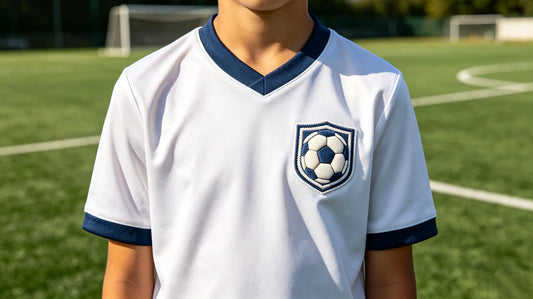
4. Patches for Team & Corporate Uniforms
Uniform customization emphasizes unity and formality, with fixed standard sizes in the industry.
- Chest brand/team logo: 4.5 cm – 6 cm (uniform for all staff, neat and professional)
- Sleeve department/regional mark: 5 cm – 7 cm (standard specification for group identification)
- Shoulder honor patch: 5.5 cm – 7.5 cm (stable size for formal identification accessories)
Uniform batches must adopt the same size to guarantee a unified team image.
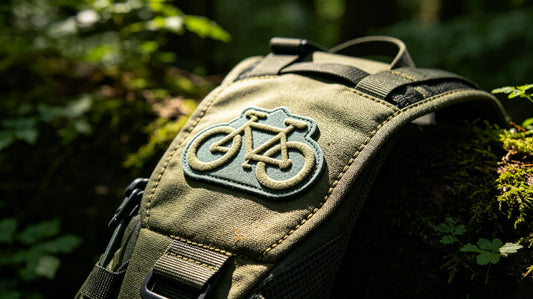
5. Patches for Backpacks & Bags
Bags have large flat surfaces and high tolerance for patch sizes, with diverse matching options.
- Front main decorative patch: 8 cm – 12 cm (core visual position, fully shows 3D stereo effect)
- Corner small logo patch: 4 cm – 6 cm (simple embellishment)
- Multi-patch combination: Mix sizes of 4 cm to 10 cm, form primary and secondary layers for personalized styling
6. Mini Patches for Small Accessories
For wristbands, wallets, keychains and other tiny accessories, choose mini-sized patches: 2.5 cm – 4 cm. The compact size will not hinder the use of accessories and retains delicate decorative effects.

Size Selection Based on Patch Shape
Different outline shapes also need to adjust the size appropriately under the same usage scenario.
- Round patches: The visual occupation area is relatively small, you can choose a size 0.5 cm – 1 cm larger than square patches of the same position.
- Square & rectangular patches: Regular shape with stable vision, follow the basic standard size directly.
- Shield & irregular patches: The outline is scattered, it is recommended to choose a medium size to avoid visual imbalance caused by oversized irregular shapes.
Key Factors to Adjust Patch Size
1. Pattern Complexity
- Simple patterns, logos and single text: Can choose a slightly smaller size, the content is still clear.
- Complex patterns, multi-element illustrations and dense text: Need to increase the size appropriately, prevent pattern compression and blurred details.
2. 3D Puff Thickness
Extra-thick full 3D patches have a stronger three-dimensional sense. Do not make the size too large, otherwise the overall patch will look bloated and affect aesthetics. Thin puff patches can properly expand the size range.
3. Wearing Crowd
- Adult clothing: Follow the above standard sizes.
- Kids & toddler clothing: Reduce the size by 1 cm – 2 cm on the basis of adult standards, match the small body shape of children and ensure wearing comfort.

Most Common Size Mistakes to Avoid
1. Blindly Pursuing Oversized Patches
Many people think larger patches are more eye-catching. Excessively big patches will squeeze the clothing fabric, cause edge warping, and bring obvious foreign body feeling when wearing. Especially on hats and chest positions, oversized patches are the most likely to destroy proportion.
2. Choosing Too Small for Complex Patterns
Complex patterns and tiny text on undersized patches will merge together after production, resulting in unclear content and losing design meaning. Always reserve enough size space for intricate designs.
3. Uniform Size for All Positions
Using the same size of patches on chest, sleeves and back will make the overall layering disappear. Distinguish primary and secondary sizes according to different positions to create a coordinated visual effect.
4. Ignoring Fabric Stretch
For elastic fabrics such as sweatshirts, do not select oversized patches. Long-term stretching will pull the patch edges and cause peeling.

Custom Size Service & Pre-Order Tips
If standard sizes cannot meet your personalized needs, most manufacturers support fully customized exclusive dimensions. Before confirming custom sizes, you can do a simple simulation: cut a paper sheet according to the measured size, paste it on the target position of clothes or hats, and check the actual proportion and visual effect. This method effectively avoids size errors.
For bulk wholesale orders, confirm the unified size standard once, to ensure zero size difference in the whole batch of patches.
Final Size Selection Summary
The perfect size of 3D puff embroidered patches balances visual proportion, pattern clarity and wearing comfort. Different carriers such as hats, hoodies, jackets, uniforms and bags have their own mature standard dimensions.
Follow the scene-based size guide, combine pattern complexity, patch shape and user groups for fine adjustment, and stay away from oversized and undersized errors. You can always get patches with coordinated proportion, clear details and comfortable wearing experience. Reasonable size matching is the first step to present the best effect of custom patches.

Frequently Asked Questions
Q1: What is the most popular size for hat front patches?
A: 6 cm to 8.5 cm is the most classic and widely used size.
Q2: What size is suitable for logo patches on hoodie chest?
A: 4 cm to 7 cm fits most casual hoodies and uniforms.
Q3: Do complex patterns need larger patch sizes?
A: Yes, proper enlargement prevents details from being compressed and blurred.
Q4: Can I order completely custom sizes instead of standard ones?
A: Yes, custom dimensions are supported to match special usage spaces.
Tags:
Previous
Morale 3D Puff Patches: Meaning, Design Ideas & Usage for Tactical Groups
Next
Embroidery Thread Types for 3D Puff Patches: Materials, Pros & Applications