Custom 3D Embroidered Patches for Brand Merchandising | Design, Production, and Quality Control Standards
Brand merchandise works best when it combines recognizability, tactile quality, and lasting value. For many apparel, streetwear, uniform, and promotional projects, flat printing and basic embroidery no longer deliver enough premium feeling. Custom 3D embroidered patches solve this problem by adding raised depth, textured stitching, and a three-dimensional presence that makes brand logos feel more tangible, craft-based, and collectible.
Unlike cheap stickers, PVC badges, or printed labels, high-quality 3D embroidered patches use real embroidery thread, stable backing materials, and carefully controlled production processes. They can be applied to jackets, hats, bags, work uniforms, event merchandise, and limited-edition packaging. When produced correctly, they become a consistent brand asset rather than a disposable promotional item.
This article focuses on brand-level 3D embroidered patch projects, covering design preparation, material selection, production workflow, application scenarios, and quality control standards.

Part 1: Why Brands Choose 3D Embroidered Patches
Tactile Premium Perception
3D embroidered patches create physical depth. Customers can feel the stitching and the raised structure, which immediately communicates higher quality compared to flat labels or printed stickers.
Strong Brand Recognition
A well-made 3D embroidered badge turns a simple logo into a wearable mark. It works effectively on uniforms, team apparel, retail products, and event merchandise.
Long-Term Durability
Premium 3D embroidered patches resist washing, friction, and sunlight better than most printed branding solutions. With proper backing and edge finishing, they can remain stable for years.
Collectible Value
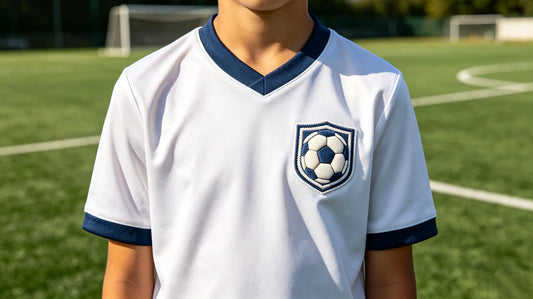
Limited-edition 3D embroidered patches often become collector items. They add scarcity to product drops, collaborations, and special campaign releases.
Flexible Application
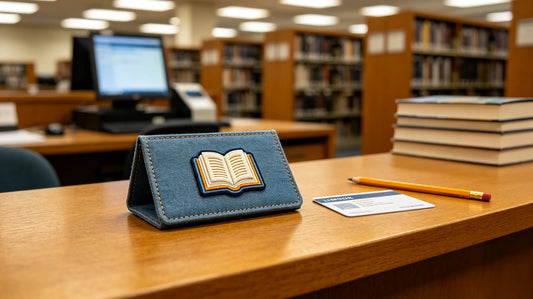
Brands can attach 3D embroidered patches to jackets, caps, backpacks, workwear, hoodies, and packaging boxes without modifying the original product design.
Part 2: Brand Design Preparation for 3D Embroidered Patches
Vector Artwork First
All brand patch projects should start with clean vector files in AI, EPS, or PDF format. Raster images from websites or social media are not suitable for professional embroidery production because they lose detail when scaled.
Define Exact Finished Size
Brand logos must be adapted to a specific patch size. A logo that looks perfect on a website may become unreadable when reduced to a 5 cm chest patch. For 3D embroidered patches, designers must consider both width and height, and avoid overloading small areas.
Simplify Without Losing Identity
Embroidery cannot reproduce every pixel from digital artwork. Gradients, shadows, ultra-thin lines, and tiny symbols should be simplified before production. The goal is to keep the brand identity clear while making the design technically stitchable.
Select Patch Shape
Common brand patch shapes include circle, oval, rectangle, shield, and custom contour. Regular shapes are easier to produce with stable edges, while custom contours offer stronger brand personality.
Choose Thread Colors Carefully
Use Pantone Solid Coated references whenever possible. Brand colors should be confirmed through physical thread samples, not only digital screen previews. For 3D embroidered patches, color contrast directly affects readability under different lighting conditions.

Part 3: Material Selection for Brand 3D Embroidered Patches
Embroidery Thread
High-tenacity polyester thread is the standard choice for brand patches. It offers good color fastness, smooth stitching, and long-term resistance to washing and friction. For premium projects, brands can specify grade 4+ high color fastness thread.
Base Fabric
Polyester twill is the most common base fabric for 3D embroidered patches. It provides stable support for dense stitching and can be laminated with different backing types.
Backing Type
- Sew-on: Best for uniforms, workwear, and high-end apparel requiring maximum durability.
- Iron-on: Suitable for fashion merchandise with low to medium washing frequency.
- Hook & loop: Ideal for tactical uniforms, team gear, and removable brand badges.
- Temporary adhesive: Only for display and short-term events.
Edge Finishing
- Merrow border: Recommended for regular-shaped brand patches needing durability and a premium stitched look.
- Laser cut: Best for complex custom logos and irregular brand shapes.
- Hot cut: Suitable for lightweight fashion patches with simpler contours.
Part 4: Production Workflow for Brand Custom 3D Embroidered Patches
Step 1: Requirement Confirmation
Confirm logo file, patch size, shape, thread colors, backing type, edge finishing, quantity, and delivery timeline.
Step 2: Quotation and Approval
Receive a detailed quotation including unit price, sampling fee, production lead time, and shipping terms. Approve in writing before proceeding.
Step 3: Vector Artwork Optimization
Optimize the brand logo for embroidery production. Remove unworkable details, adjust line thickness, and confirm the final patch contour.
Step 4: Digitizing
Create a professional embroidery digitizing file optimized for 3D embroidered patches. The file must control stitch density, underlay, and edge wrapping to ensure stable raised texture.
Step 5: Pre-Production Sample
Produce a physical sample for brand approval. The sample should be checked for color accuracy, stitch density, edge quality, backing adhesion, and overall brand consistency.
Step 6: Sample Approval in Writing
Brand representatives must confirm the sample in writing before mass production. Any color, size, or design changes should be revised and re-sampled at this stage.
Step 7: Mass Production
Begin bulk production using the approved digitizing file, thread batch, base fabric, backing, and edge process.
Step 8: Quality Inspection
Inspect finished patches against the approved sample. Check color, dimension, edge neatness, stitch coverage, backing adhesion, and overall consistency.
Step 9: Packaging and Shipment
Package brand patches according to order requirements. Premium brand orders may require individual poly bags, backing cards, gift boxes, or custom packaging inserts.

Part 5: Brand Application Scenarios
Uniform and Workwear
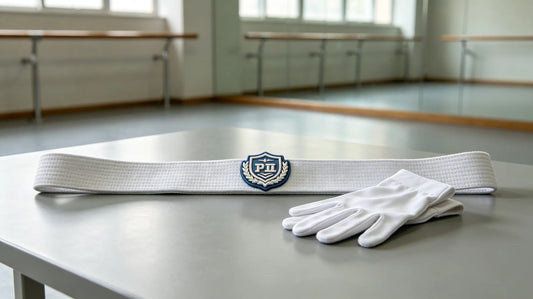
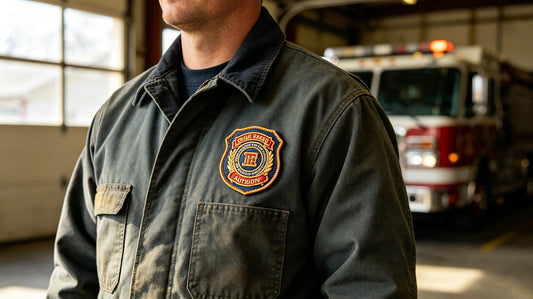
3D embroidered patches create a professional identity for staff uniforms, work jackets, aprons, and team apparel. Sew-on backing is recommended for frequent washing environments.
Apparel and Streetwear
Fashion brands can use 3D embroidered patches on jackets, hoodies, denim, and headwear to add texture and brand personality.
Headwear
Baseball caps, beanies, and bucket hats work well with smaller 3D embroidered patches. The patch size should match the front panel curvature.
Bags and Accessories
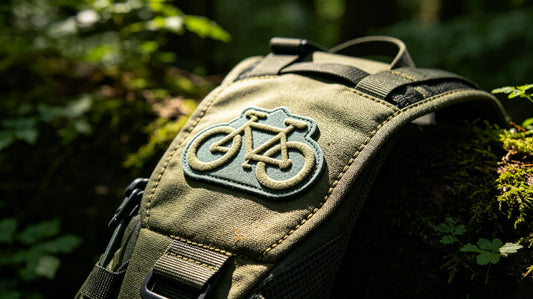
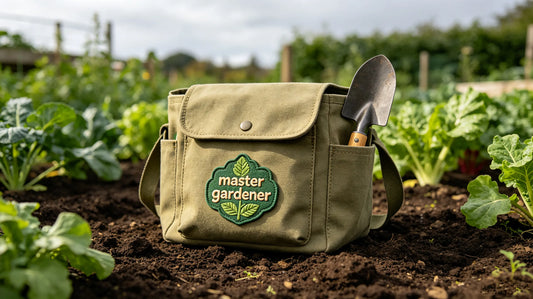
Backpacks, tote bags, and travel gear are ideal for removable or permanent brand patches. Hook & loop backing offers flexibility for seasonal updates.
Event Merchandise
Festivals, pop-up stores, conferences, and product launches can use limited-edition 3D embroidered patches as memorable takeaway items.
Gift with Purchase
Brands can include custom 3D embroidered patches as premium gifts inside packaging, improving unboxing experience and customer loyalty.
Part 6: Quality Control Standards for Brand 3D Embroidered Patches
Color Consistency
Thread colors must match the approved sample under neutral daylight. Minor tone variation within industrial tolerance should be communicated before production.
Stitch Density
Stitches should be dense and uniform, without loose threads, gaps, or exposed base fabric. The surface should feel smooth and well-crafted.
Edge Quality
Edges must be clean and consistent. Merrow borders should be evenly stitched. Laser cut edges should be precise. Hot cut edges should be sealed and free from fraying.
Dimension Accuracy
Finished patch size should match the approved specification within acceptable tolerance. Brand logos should not be cropped or distorted.
Backing Performance
Backing must be firmly bonded to the patch. Iron-on backing should not bubble. Hook & loop backing should be flat and evenly attached.
Cleanliness
Finished patches should be free from oil stains, dirt, loose threads, and production marks. Brand merchandise requires extra care in final inspection.

Part 7: Common Brand Mistakes to Avoid
Using Low-Resolution Logo Files
Blurry logos lead to blurry patches. Always provide clean vector artwork.
Overloading Small Patches
Small patches need simplified designs. Too many details reduce readability.
Approving Only Digital Mockups
Digital images cannot replace physical samples. Always approve a real 3D embroidered patch sample before bulk production.
Choosing the Wrong Backing
Iron-on backing is not suitable for uniforms that require frequent industrial washing.
Ignoring Edge Finishing
Poor edge finishing makes even a good logo look cheap. Choose merrow border, laser cut, or hot cut based on shape and usage.
Skipping Final QC
Brand orders should include a final inspection step to ensure consistency across the entire batch.
Part 8: 2026 Brand Merchandising Trend
Brands are increasingly using 3D embroidered patches as part of limited-edition drops, collaboration products, and membership rewards. Instead of simple giveaway items, they are designed as collectible brand assets. Many fashion and streetwear brands now pair custom patches with premium packaging, hangtags, and product cards.
At the same time, environmentally conscious brands choose recycled polyester thread, degradable backing cards, and plastic-free packaging for custom patch projects. This allows brand merchandising to remain premium while reducing environmental impact.

Final Summary Core Rule
Custom 3D embroidered patches are an effective way to upgrade brand merchandise, uniforms, gifts, and limited-edition products. Successful projects start with clean vector artwork, clear size planning, professional digitizing, physical sample approval, and strict quality control. Brands should select materials and backing types based on usage scenarios, not only on cost or appearance. When produced with consistent standards, 3D embroidered patches become durable, tactile, and highly recognizable brand assets.
Frequently Asked Questions
Q1: What file do I need to start a custom brand 3D embroidered patch order? A: Clean vector artwork in AI, EPS, or PDF format is recommended. Low-resolution JPG or PNG files are not ideal for professional embroidery production.
Q2: What size should a brand patch be? A: It depends on the application. Chest patches are often 5–8 cm, hat patches around 5–6 cm, and back patches 10 cm or larger.
Q3: Which backing is best for brand uniforms? A: Sew-on backing is the most durable for uniforms requiring frequent washing.
Q4: Can brand patches be produced with custom shapes? A: Yes. Custom contour patches are possible with laser cut technology, allowing brands to follow unique logo shapes.
Tags:
Previous
3D Puff Embroidery Patch Long-Term Storage & Daily Preservation Guide | Anti-Flattening, Anti-Yellowing, Moisture & UV Protection Rules
Next
3D Embroidered Patches for Product Packaging | Premium Unboxing, Brand Identity, and Collectible Packaging Inserts