Custom 3D Embroidered Patches for Public Library Summer Reading Challenge Programs
Custom 3D Embroidered Patches for Public Library Summer Reading Challenge Programs
Public libraries across the United States play a central role in youth literacy, especially during summer break. Summer reading challenge programs encourage children and teens to read consistently, explore new genres, attend story sessions and complete creative activities over the vacation months. Many libraries design reading logs, sticker charts and small rewards to keep young readers motivated. Custom 3D foam embroidered patches offer a more durable, memorable alternative to paper certificates and disposable stickers, giving participants a tangible keepsake that celebrates their reading achievement long after summer ends.
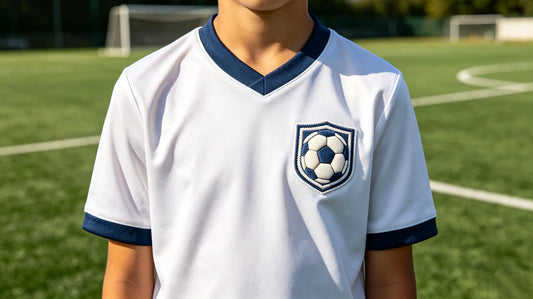
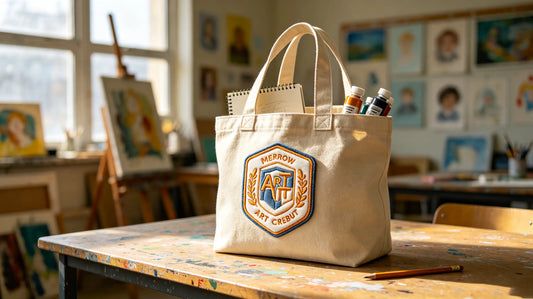
Paper rewards and cheap sticker sheets work well for immediate excitement, but they are easily lost, damaged or thrown away. Children often accumulate many small rewards during summer programs, and only the most meaningful items are kept for months or years. 3D embroidered patches are made with durable polyester thread and merrow finished edges, so they can be attached to backpacks, reading journals, library cardholders and jackets. The raised foam embroidery adds tactile depth to book, reading glasses, star and library card motifs, making the patch feel like a genuine award rather than a temporary handout.
For public libraries, custom patches also help build program identity. When young readers wear the same patch around the library, at school or in the community, the summer reading challenge becomes more visible to other families, potential sponsors and local educators. It turns an individual reading goal into a shared community achievement.

Why Public Libraries Use Custom 3D Embroidered Patches for Reading Challenges
Public libraries often operate with limited program budgets. Summer reading challenges serve large numbers of children, but funding must stretch across books, guest presenters, craft supplies, refreshments and reward items. Custom 3D embroidered patches are cost‑effective because they are compact, easy to store and can be ordered in small batches based on expected participation levels.
Patches work especially well as milestone rewards. Instead of giving every child the same small prize at registration, libraries can award patches after completing a certain number of books, reading hours, library events or creative challenges. This creates ongoing motivation throughout the summer rather than a single moment of excitement.
For older children and teens, patches are often more appealing than cartoon stickers. They feel more mature, personal and collectible. Teens may attach them to backpacks, pencil cases, laptop sleeves or jackets, turning a library program award into part of their daily personal style.

Designing Library Reading Challenge Patches That Feel Fun and Timeless
Effective reading challenge patch designs combine bookish imagery with playful, child‑friendly elements. Popular motifs include open books, library cards, reading glasses, stars, book marks, storytime dragons, foxes, owls and small town library buildings. For 3D foam embroidery, bold shapes work better than very fine line art. An open book with raised pages, a star or a library card will show depth clearly, while tiny text or intricate book spines should be simplified.
Color palettes can be warm and inviting, including library green, soft blue, mustard yellow, cream, burgundy and gentle orange. These colors evoke books, paper, wood shelves and quiet reading spaces without feeling too formal. Text on the patch should be short and readable, such as “Summer Reading 2026”, “Read Every Day” or the name of the local public library.
Many libraries create one core program patch each summer. They can also design smaller milestone patches for different reading levels, age groups or special activities. For example, a library might offer a general reading challenge patch, a teen reading patch, a storytime participant patch and a volunteer helper patch. This keeps the program fresh and encourages continued participation across multiple age groups.

Durable Materials for Library Program Patches
Reading challenge patches need to withstand daily use by children and teens. High‑tenacity polyester thread resists fading, rubbing and occasional washing, making it suitable for backpacks, jackets and pencil cases. Cotton thread is less ideal because it wears more quickly with regular handling.
The foam layer in 3D patches adds visual and tactile interest. Raised book covers, stars or library card edges catch light and create small shadows, helping the design stand out. Merrow overlocked edges prevent fraying, which is important for patches that will be moved between bags, journals and clothing.
Different backing options fit different library needs. Iron‑on backing is convenient for families who want to attach patches at home to backpacks and jackets. Sew‑on backing works best for library display items and official program banners. Hook‑and‑loop backing is useful when libraries want to attach patches to display boards, reading logs or reusable program boards.
Small‑Batch Ordering for Library Program Budgets
Public library participation numbers can vary from year to year. Small‑batch patch production allows libraries to order only the quantity needed for a specific summer reading program. This reduces waste and avoids leftover inventory that may become outdated when the next year’s program theme changes.
Before ordering in full quantity, libraries should request a sample. A sample allows program coordinators to check thread colors, foam thickness, edge quality and overall size. This step helps ensure the final patch matches the program’s visual theme and works well for different age groups.
Libraries can also plan for multi‑year patch collections. Each summer’s patch can share a small consistent element, such as the library logo or a signature book motif, while changing colors, characters or themes. This encourages young readers to collect new patches each year and builds long‑term participation.

Practical Uses for Reading Challenge 3D Embroidered Patches
Milestone Reading Rewards
Award patches after participants complete a set number of books, reading hours or library activities. This gives children a clear goal throughout the summer.
Library Cardholder Keepsakes
Attach patches to reusable library cardholders or reading journal covers. This turns a regular library item into a personalized memento.
Teen Program Participant Gifts
Offer teen‑themed patches for older readers who join book clubs, volunteer projects or summer writing workshops.
Library Display Board Accents
Use patches on program display boards to show reading levels, challenge milestones and participant achievements inside the library.
Summer Event Souvenirs
Give patches to children who attend storytime, author visits, craft workshops or special library performances.
Volunteer Helper Recognition
Reward teen volunteers and adult volunteers who help run summer reading activities with a special helper patch.

Caring for Library Reading Challenge Patches
For patches attached to clothing or backpacks, turn items inside out before washing to reduce friction against the raised embroidery. Iron‑on patches should not be ironed directly over the foam embroidery. If heat is needed, iron from the reverse side of the fabric or use a protective cloth.
For patches stored at the library, keep them in a cool, dry drawer or cabinet. This preserves thread colors and foam structure until they are handed out to participants.
FAQ
Q: Can public libraries order patches in small quantities?
A: Yes. Small‑batch production works well for library summer programs, allowing you to order based on expected participation levels.
Q: What backing is best for reading challenge patches?
A: Iron‑on backing is most convenient for families applying patches to backpacks and jackets at home. Sew‑on backing is better for permanent display items.
Q: What designs work best for library 3D patches?
A: Bold book shapes, library cards, stars, reading glasses and simple animal characters work best. They are easy to recognize and translate well into 3D embroidery.
Q: Can patches be used as milestone rewards?
A: Yes. Patches are highly effective as milestone rewards because they give participants a tangible way to track and show off their reading progress.
Q: Will these patches hold up on children’s backpacks?
A: Yes. High‑quality polyester thread and merrow edges resist fading and fraying, making them suitable for long‑term use on backpacks, jackets and pencil cases.
Tags:
Previous
Custom 3D Embroidered Patches for Local Small Town Volunteer Fire Auxiliary Teams
Next
Custom 3D Embroidered Patches for Community Master Gardener Programs