Custom 3D Embroidered Patches for Local Craft Breweries & Taproom Branding
Custom 3D Embroidered Patches: A Durable Merchandise Choice for Craft Breweries
Local craft breweries and independent taprooms operate in a highly competitive hospitality environment, where brand personality, customer loyalty and repeat visits are critical to long‑term success. Unlike mass‑market beer brands, small breweries often build their reputation through unique beer recipes, storytelling, community events and a strong in‑store atmosphere. Every touchpoint—from the moment a guest walks through the door to the moment they take home a souvenir—should reinforce the brewery’s identity.
One of the most effective ways to extend brand visibility beyond the taproom is through custom merchandise. However, many breweries face the same challenge: they want merchandise that feels authentic and well‑made, but they also need products that are affordable, low‑risk to produce and flexible enough for different seasons, events and staff roles. This is where custom 3D foam‑raised embroidered patches become a practical solution.
Compared with printed stickers, heat transfers, paper cards and cheap plastic badges, 3D embroidered patches offer a level of durability and perceived value that fits the brewery industry well. They can be applied to jackets, aprons, hats, backpacks, lanyards, uniforms and even display items inside the taproom. The foam layer creates a raised, tactile effect that makes logos, beer mugs, hops, barley, brewery mascots and event numbers stand out. When customers touch the patch, they feel something more substantial than a printed label, which can increase the perceived value of the merchandise and make the brand more memorable.
Another advantage is that 3D embroidered patches work equally well for staff branding and customer souvenirs. For employees, a patch on a uniform jacket or apron creates a consistent, professional look without feeling overly corporate. For customers, a patch can become a wearable reminder of a great tasting room experience, a limited beer release or a special festival night. Unlike disposable paper coasters or event wristbands, embroidered patches can stay on clothing and bags for years, continuing to promote the brewery long after the visit is over.

Why Taprooms Should Choose 3D Foam Embroidered Patches Over Flat Merchandise
Many breweries already produce merchandise such as T‑shirts, hats, stickers and glassware. These products are useful, but they also have limitations. Printed T‑shirts can fade after repeated washing. Stickers can peel, scratch or lose color on water bottles and laptops. Glassware is fragile and expensive to ship, especially for small‑batch events. Hats and jackets are more durable, but they often require larger minimum orders and higher upfront costs.
3D embroidered patches solve many of these problems. They are small enough to be produced in smaller quantities, flexible enough to be used across multiple product categories and durable enough to withstand heavy use in a bar environment. For taprooms that host live music, trivia nights, food pop‑ups, beer festivals and seasonal beer launches, patches can be updated more easily than full uniforms or large apparel runs.
The foam‑raised element is especially valuable for brewery branding because it adds texture and personality. A flat embroidered logo can look clean, but a 3D patch can make a beer mug appear to pop out, a hop cone feel more organic and a brewery mascot look more expressive. This is particularly useful for breweries that want to convey a handcrafted, approachable and slightly rugged brand image.
Durability is another key factor. Taproom staff wear uniforms that are exposed to spills, cleaning products, repeated washing and constant movement. Customers wear merch to festivals, parties, hiking trips, concerts and everyday outings. Low‑quality prints and cheap appliqués will crack, fade or peel over time. High‑tenacity polyester embroidery thread, merrow overlock edges and medium‑density foam create a product that resists washing, friction and long‑term wear. This makes 3D patches suitable for both staff uniforms and customer merchandise.

Design Tips for Brewery and Taproom 3D Embroidered Patches
Designing a good brewery patch requires balancing brand identity, embroidery limitations and real‑world usability. A patch that looks perfect on a digital mockup may not translate well to physical embroidery, especially when foam 3D effects are involved. For this reason, brewery owners and designers should think first about simplification, recognizability and stitching feasibility.
The most successful brewery patch designs are bold, clear and instantly recognizable. Common elements include brewery logos, beer mugs, hop cones, barley stalks, wooden barrels, bottle caps, foam lines, tap handles, brewery dogs, mascots and local map references. These elements connect naturally with the beer experience and require less fine detail than complex illustrations.
When designing for 3D foam embroidery, avoid overloading the patch with tiny text, extremely thin lines and highly detailed shading. Foam embroidery creates depth, but it also needs a minimum stitch area to hold the foam securely. If text is too small, it may become unreadable after production. If lines are too thin, they may break or look uneven. For this reason, small taglines are better kept short, such as “Fresh Taps,” “Local Brews,” “Taproom Crew,” “Limited Release” or “Beer Festival 2026.”
Color selection should also match the brewery’s brand personality. Craft breweries often work with earthy, warm and deep tones: amber, burnt orange, forest green, deep navy, charcoal brown, cream and burgundy. These colors reflect wood, beer, grain, hops and the warm lighting of a taproom. Bright neon colors can be used for special event patches, but they should be used sparingly to avoid looking cheap or out of place.
Shape is another area where breweries can be more creative. Instead of using only square or circular patches, consider shapes inspired by beer mugs, bottle caps, hop cones, barrels, tap handles or even the outline of the local city map. Irregular die‑cut shapes can make the patch feel more unique and memorable, especially when used for limited‑edition events.

Material and Backing Options for Brewery Custom Patches
The quality of a 3D embroidered patch depends heavily on its materials. For brewery use, the patch must resist washing, rubbing, occasional liquid splashes and long‑term wear. High‑tenacity polyester embroidery thread is recommended because it offers strong color retention, good resistance to washing and less fraying than lower‑quality threads. This is important for both staff uniforms and customer souvenirs.
The foam layer is what creates the three‑dimensional effect. Medium‑density soft embroidery foam is generally the best choice. It provides enough height to create a noticeable raised effect without becoming too stiff, bulky or easily crushed. Too‑thin foam will look flat, while too‑thick foam can distort stitching, make the patch difficult to sew onto curved surfaces and reduce durability over time.
The edge finish is also important. Merrow overlock edges wrap around the patch border, preventing fraying and giving the product a finished, professional look. For brewery merchandise, this is especially important because patches on jackets, aprons and hats will be touched, rubbed and washed frequently. A clean overlocked edge improves both appearance and longevity.
Backing options should be chosen based on how the patch will be used. Sew‑on backing is the most durable option and works best for staff uniforms, aprons, work jackets and high‑end customer apparel. Iron‑on backing is suitable for retail souvenirs, allowing customers to attach the patch to their own clothing without sewing tools. Hook‑and‑loop backing is useful for taproom event staff, festival volunteers and seasonal crew members who may need to swap patches for different roles or events.
For breweries that offer multiple merchandise lines, it is possible to order the same patch design with different backings. For example, sew‑on patches can be used for staff uniforms, while iron‑on patches can be sold in the taproom shop. This approach reduces design cost while supporting multiple sales and branding channels.

Production Standards and Small‑Batch Customization for Breweries
Most local craft breweries do not need tens of thousands of identical patches. Instead, they often need smaller quantities for staff uniforms, seasonal events, limited beer releases and festival souvenirs. Small‑batch custom production is therefore essential. It allows breweries to test a new design, support a one‑time event or produce a limited number of member gifts without committing to large inventory costs.
Before mass production, it is strongly recommended to order a physical sample. A digital mockup can show colors and shape, but only a physical sample can show the actual foam height, thread texture, edge quality, stitching density and overall feel of the patch. This step helps avoid costly mistakes, especially when the patch will be sewn onto expensive uniforms or sold as branded merchandise.
When communicating with a patch manufacturer, brewery owners should confirm several details: foam thickness, thread color accuracy, merrow edge quality, backing type, patch size, die‑cut shape and production lead time. If the patch will be used on curved surfaces such as hats or jackets, flexibility should also be considered. A patch that is too rigid may not sit well on curved fabric.
Lead time is especially important for seasonal events. Beer festivals, anniversary parties, new beer launches and holiday promotions all have fixed dates. Breweries should plan production well in advance to ensure patches arrive before the event. If samples are required, additional time should be reserved for sampling, revisions and final approval.
Real‑World Application Scenarios for Taproom 3D Embroidered Patches
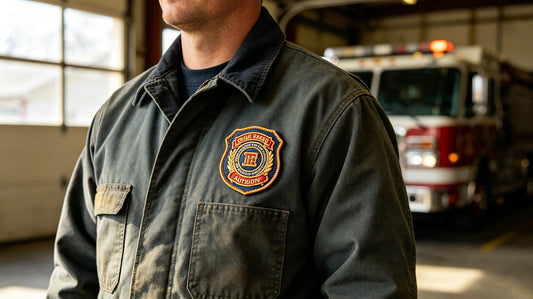
3D embroidered patches can be used across many areas of brewery operation. One of the most common applications is staff uniforms. Patches can be sewn onto work jackets, aprons, polo shirts and hats, creating a unified team look without the expense of fully custom apparel. They also help customers easily identify staff members inside the taproom, which improves service clarity and brand consistency.
Another effective use is event merchandise. Beer festivals, taproom anniversaries, limited beer releases and live music nights all benefit from limited‑edition patches. These patches can be given to early guests, VIP ticket holders, volunteers or loyal customers. They can also be sold at the bar counter as affordable souvenirs. Unlike paper wristbands, which are discarded after the event, embroidered patches continue to represent the brewery long after the occasion ends.
Customer loyalty programs are another good fit. Breweries can offer exclusive patches to members who attend a certain number of events, try a set number of beers or join a beer club. This creates a sense of achievement and belonging. Customers are more likely to collect, wear and display patches that feel exclusive, especially when they are tied to memorable experiences inside the taproom.
Patches can also be used as part of taproom interior branding. For example, they can be displayed on wooden menu boards, beer barrel ends, staff notice boards, merchandise display walls or behind the bar. This turns a small product into part of the taproom’s visual environment. When customers see the patch displayed inside the bar and then take one home, it creates a consistent brand experience from the physical space to the wearable souvenir.

Maintenance Tips for Brewery Embroidered Patches
To extend the life of 3D embroidered patches, proper installation and care are important. Sew‑on patches are the most permanent and durable option, making them ideal for staff uniforms that will be washed frequently. Iron‑on patches are convenient for retail customers, but they require correct temperature, pressure and pressing time to attach securely. If the iron is too hot or the pressing time is too short, the patch may peel after a few washes.
For garments with embroidered patches, it is recommended to turn them inside out before washing. This reduces direct friction on the patch surface during the wash cycle. Cold water and a gentle cycle are preferable. Strong bleach should be avoided, as it can damage thread colors. High‑temperature tumble drying should also be avoided, because excessive heat may affect the foam layer and reduce its three‑dimensional appearance.
When cleaning aprons or uniforms that have been exposed to beer, food or bar spills, clean them as soon as possible. Although embroidered patches are more durable than printed designs, prolonged exposure to stains and cleaning chemicals can still affect thread color over time. Air‑drying is the safest way to preserve both the patch and the garment.
FAQ
Q: Can brewery logos with fine lines be made into 3D embroidered patches?
A: Logos with extremely fine lines may need simplification. Foam 3D embroidery works best with bold shapes, readable text and clear outlines. If the original logo is too detailed, some elements should be simplified or converted to flat embroidery areas.
Q: Which backing is best for taproom retail patches?
A: Iron‑on backing is usually best for retail sale. It gives customers flexibility to attach the patch to jackets, hats, backpacks and other items at home without sewing tools. Sew‑on backing can be reserved for higher‑end club gifts or staff uniforms.
Q: Can patches be produced in small batches for one‑time beer festivals?
A: Yes. Small‑batch custom production is suitable for festivals, anniversary events and limited beer releases. It helps breweries avoid overstock while still creating a unique branded item for the occasion.
Q: Will the foam layer flatten after washing?
A: High‑quality medium‑density embroidery foam should remain stable after normal washing. The key factors are material quality, stitching density and proper care. Cold gentle washing and air‑drying help preserve the raised texture.
Tags:
Previous
Custom 3D Embroidered Patches for Independent Bookstores & Book Club Branding
Next
Custom 3D Embroidered Patches for Fitness Gym & Personal Trainer Branding