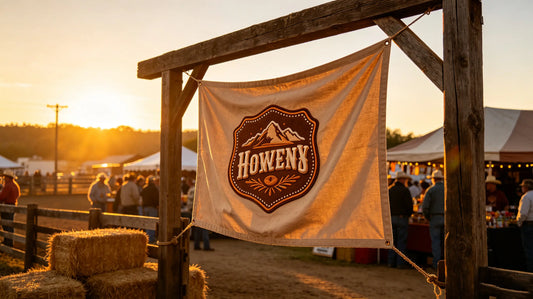
Custom 3D Embroidered Patches for US Local Hiking & Backcountry Recreation Clubs
Custom 3D Embroidered Patches: Beloved Collectible Tradition for American Hiking Communities
Outdoor recreation is deeply woven into everyday American weekend culture. From national forest trails, mountain hiking routes to lakeside backcountry camping trips, local volunteer‑led hiking clubs thrive across every US state. Many groups host monthly trail meetups, seasonal overnight backpacking trips and annual group challenges, where members earn keepsakes to document their outdoor adventures.
For decades, physical patches have been a core part of US hiking‑club culture. Members sew earned patches onto backpacks, hiking jackets and trail hats as visible badges of completed routes, group milestones and community belonging. Unlike paper certificates or digital photos that stay stored on phones, physical embroidered patches travel with hikers onto every trail. Traditional flat embroidery can wear thin quickly under constant backpack friction, rain, dust and repeated outdoor exposure. Premium 3D foam‑raised embroidered patches deliver thick raised texture, outstanding abrasion resistance and long‑lasting color retention built for real backcountry use.
Local US hiking clubs usually operate on volunteer budgets, without large‑scale merchandise budgets. Small‑batch custom patch orders fit perfectly for member‑only awards, trail‑trip souvenirs and club identity branding. Whether for day‑hike challenges, multi‑day backpacking excursions or annual club reunions, custom 3D embroidered patches create tangible keepsakes that members proudly display for many years.

US‑Hiking‑Club‑Focused Design Guidelines for 3D Foam Embroidered Patches
When creating patches for American hiking communities, designs should reflect local outdoor aesthetics while respecting embroidery manufacturing limits. Over‑intricate tiny topographic details, ultra‑fine script lettering and overly crowded graphic elements do not translate well onto foam‑raised embroidery. Simplify complex artwork while preserving recognizable trail‑themed core symbols to keep raised stitching sharp after production.
Popular widely‑used design motifs for US hiking‑club patches include simplified mountain range silhouettes, pine‑tree outlines, hiking boot graphics, compass icons, trail‑map simplified shapes, local national park inspired elements, club logotypes, and short trail‑culture slogan phrases. Text should avoid miniature lettering. Short readable phrases such as “Trail Crew”, “Backcountry Hiker”, “Explore Local Trails” perform best with 3D foam embroidery. Many US local clubs also add state‑specific graphic touches to highlight their home region.
Color palettes lean toward practical outdoor‑oriented earth‑toned shades. Forest green, burnt sienna, charcoal gray, deep navy, muted terracotta and sandy tan match natural trail surroundings and stay readable on dark‑colored hiking outerwear. Bright accent colors can be used sparingly for milestone‑award limited‑edition patches.
Beyond standard circles and squares, die‑cut custom shapes including mountain outlines and trail‑marker inspired irregular contours add distinct personality, especially for limited‑run trail‑completion collectibles. Merrow overlock wrapped edges seal patch borders tightly to stop fraying caused by constant rubbing against backpack fabric during long‑distance hikes.

Trail‑Tough Material & Backing Options Built for US Backcountry Conditions
Hiking‑club patches face harsh real‑world conditions: constant fabric friction, rain splashes, trail dust, UV sunlight exposure and repeated washing of hiking outer layers. Inferior thread and thin foam will fade, fray or collapse after just a few outdoor trips.
High‑tenacity color‑fast polyester embroidery thread is the standard for outdoor‑focused patches. It resists fading under strong US outdoor sunlight, holds up against damp trail conditions and stands up to repeated wash cycles. Medium‑density firm embroidery foam delivers satisfying prominent three‑dimensional relief, without being overly stiff or bulky. Too‑thin foam results in flat‑looking output; excessively thick foam creates rigidity that makes patches hard to attach onto curved backpack and jacket surfaces.
Merrow overlock wrapped edges are non‑negotiable for hiking‑club patches. Backpack straps and pack panels create constant rubbing; wrapped edges prevent loose threads and edge fraying even after months of trail use.
Three backing types fit different real‑world hiking‑club scenarios. Sew‑on backing delivers maximum long‑term durability, ideal for patches members will permanently attach to hiking backpacks and heavy‑duty trail jackets. Iron‑on backing works great for casual‑member giveaways for quick home application onto hats and hoodies. Hook‑and‑loop backing suits rotating event patches for group meetups, allowing members swap different trail‑trip patches on their gear without permanent sewing. Many US clubs order identical artwork with mixed backing variants to cover award patches and casual souvenir patches within one custom production run.

Small‑Batch Custom Production Tips for Volunteer‑Run US Hiking Clubs
Most local American hiking clubs are volunteer‑managed community groups, with limited operating funds and no need for huge patch quantities. Small‑batch custom production perfectly matches their needs for member milestone awards, seasonal trip souvenirs and club identity merchandise, eliminating risks of large unsold inventory.
Pre‑production physical samples are strongly recommended before full‑scale manufacturing. Digital mockups show color and shape, but physical samples reveal real‑world foam height, stitch density, thread shade accuracy and edge durability. Reviewing samples helps catch design weaknesses before bulk production and prevents wasted volunteer‑group budget.
Patch size must match its intended gear carrier. Over‑sized patches feel cumbersome on hiking hats and shoulder sleeves; undersized patches lose logo readability on large backpack panels. Production lead times should line up with scheduled group hiking events, trail challenges and annual club gatherings, with extra time reserved for sample revisions and volunteer group approval.

Practical Real‑World Application Scenarios for Hiking‑Club 3D Embroidered Patches
Member milestone recognition is one primary use case, a well‑established tradition inside many American outdoor communities. Clubs hand out exclusive custom 3D embroidered patches for completing milestone trail challenges, finishing multi‑day backpacking trips or attending a set number of monthly group meetups. Collectible patches foster strong group loyalty and encourage members to keep participating in local outdoor activities.
Club identity branding for volunteer trail‑crew outerwear is another key application. Custom patches sewn onto the left‑chest position of volunteer‑crew wind‑breaker jackets help participants quickly identify fellow club members during crowded trailhead meetups.
Limited‑edition event patches are extremely popular for annual group camping weekends, national‑park group excursions and local trail‑clean‑up volunteer activities. Unlike disposable paper event wristbands, durable embroidered patches stay with hikers long after the event wraps up, serving as lasting physical mementos of shared outdoor experiences. Patches can also be sold at low cost as small‑fundraising merchandise to support club trail‑maintenance supplies and group‑event costs.

Care and Maintenance Advice for Trail‑Used 3D Embroidered Patches
Proper care extends the service life of foam 3D embroidered patches exposed to backcountry environments. Sew‑on patches offer the most secure attachment for backpacks and frequently‑washed hiking jackets. Iron‑on souvenir patches require proper heat and pressure during home application; insufficient heat will result in peeling after outdoor exposure and washing.
Gear carrying embroidered patches should be turned inside‑out before laundering. Use cold‑water gentle‑wash cycles. Bleach products must be avoided to preserve thread color and foam‑layer integrity. High‑heat tumble drying may compress foam layers and reduce three‑dimensional height; air‑drying is recommended whenever possible to retain patch stereo texture.
FAQ
Q: Can detailed topographic trail‑map graphics be turned into 3D embroidered patches? A: Highly complex topographic map details need simplification. Foam‑raised embroidery favors bold outlines and larger graphic shapes. Fine map details can be implemented with mixed‑craft combining flat embroidery and foam‑raised sections.
Q: Which backing works best for hiking‑award patches going onto member backpacks? A: Sew‑on backing is the most reliable choice for backpack gear subject to constant trail friction. Hook‑and‑loop backing is a great alternative for members who want to swap multiple collectible patches.
Q: Can small‑batch patches be ordered for one‑time local trail‑clean‑up volunteer events? A: Yes, small‑batch custom production fits volunteer‑led one‑off outdoor events, lowering inventory risk for community‑group budgets.
Q: Will outdoor sunlight fade 3D embroidered hiking‑club patches? A: High‑quality polyester thread delivers strong UV‑resistance. With proper care, patches keep vibrant colors through extensive outdoor exposure.
Tags:
Previous
Single limited‑edition bookstore 3D embroidered patch placed on minimalist wooden bookmark display stand
Next
Custom 3D Embroidered Patches for American Local Small‑Town Festival & Community Fair Vendors