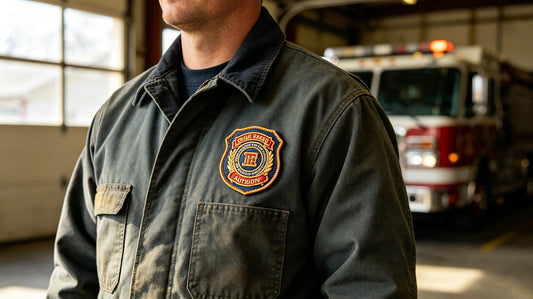
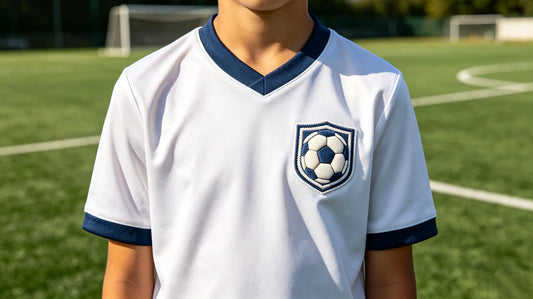
Custom 3D Puff Embroidery Patches for Military Units, Tactical Teams & Veteran Organization Branding
Military and tactical branding depends on clarity, authority and long-term durability. Unit crests, morale insignia and veteran identifiers must be recognizable under difficult conditions and remain intact after months of active use. Uniforms, caps, tactical bags and field gear face constant exposure to dust, moisture, sunlight, friction and repeated washing. Low-quality printed insignia quickly crack, fade and peel; standard flat embroidery appears lifeless on dark olive, black and navy tactical fabrics; rigid metal badges are uncomfortable under vests, armor and uniform layers.
Military-grade 3D puff embroidery patches are engineered specifically for demanding tactical environments. Dense anti-collapse foam is fully encapsulated within heavy-duty colourfast polyester stitching, creating a genuine three-dimensional raised effect. Custom artwork covers unit crests, tactical insignia, veteran emblems, morale slogans, skill badges, campaign identifiers and custom team mottos. The flexible construction moves naturally with uniforms, caps and tactical gear, resisting fading, fraying and deformation even under frequent field use and cleaning.
These patches are suitable for military units, tactical teams, veteran associations, security teams, training academies and defense-related organizations. For unit commanders, uniform officers and brand managers, abrasion resistance, colour fastness, low-profile comfort and authoritative visual impact are essential selection criteria. This guide covers core advantages, military-grade design rules, tactical-friendly material selection and bulk production standards for military 3D puff embroidery patches.

Part 1: Why Military Units & Tactical Teams Choose 3D Puff Embroidery Patches
1.1 3D Raised Insignia Delivers Clear Identification
Tactical uniforms are often dark and high-contrast. The raised texture of 3D puff patches makes unit crests and team insignia easier to distinguish than flat embroidery, supporting quick identification in both training and operational environments.
1.2 Flexible & Low-Profile For Tactical Movement
Military-grade foam and balanced stitching create a soft, low-profile patch. It does not restrict movement, bulge under gear or create uncomfortable hard spots during training, patrolling and field activities.
1.3 Abrasion & Wash Resistant For Heavy Use
Tactical gear requires frequent cleaning and handling. Fully sealed edges and heavy-duty stitching protect the foam layer from dust, moisture and repeated friction, helping patches maintain shape and colour over long-term use.
1.4 Authoritative But Comfortable Under Uniform Layers
Unlike rigid badges, soft embroidered 3D puff patches do not scratch uniform fabric, armor or skin. They are suitable for long wear under uniforms, caps, tactical bags and layered gear.
1.5 Modular System For Units, Ranks & Morale Patches
Military-grade patches support complete identification systems: main unit crests, smaller tactical team insignia, veteran badges, morale slogans and skill identifiers can all be produced with consistent quality and style.
Part 2: Military-Grade 3D Embroidery Design Specifications
2.1 Military Patch Digitisation Guidelines
Military and tactical patches prioritize clarity, authority and durability:
- Minimum letter height: 5mm, using bold stencil, military block or classic serif fonts
- Use thick reinforced borders for shields, crests, eagles, stars and tactical insignia
- Avoid overly delicate details that can wear down under constant friction
- Balance stitch density to preserve 3D height while keeping the patch flexible
- Use high-contrast colours that remain visible on olive drab, black, navy and coyote brown fabrics
2.2 Standard Size Matching For Tactical Gear Placement
- Small cap insignia: 3cm–6cm, front of tactical caps and uniform headwear
- Uniform chest patches: 5cm–9cm, chest and shoulder uniform positions
- Large unit crests: 9cm–18cm, back of tactical jackets, bags and display boards
2.3 Popular Military & Tactical Colour Schemes
Authoritative tactical colour combinations: olive drab & black, black & silver, navy & gold, coyote brown & dark green, charcoal & red. High-contrast tones ensure visibility on dark uniforms and tactical gear.
2.4 Military-Grade Edge Sealing Standards
All military and tactical patches require fully sealed edges. Continuous merrow wrapping or laser heat sealing is mandatory to prevent dust, moisture and detergent from entering the foam. Raw cut edges are not recommended for active tactical use.

Part 3: Military-Grade Material Selection for Military 3D Puff Patches
Embroidery Thread
Heavy-duty colourfast polyester thread, resistant to frequent washing, sunlight and constant abrasion.
Base Fabric
Heavy high-twill fabric, stable for long-term attachment to uniforms, caps, bags and tactical gear.
3D Core: Anti-Collapse Tactical Foam
- 2mm foam: Standard for cap insignia, chest patches and shoulder identifiers
- 3mm foam: Used for large unit crests and display patches where stronger 3D visibility is needed
Backing Options for Military & Tactical Gear
✅ Sew-On Backing (Uniform Standard) Stable, flexible and suitable for long-term uniform and cap applications.
✅ Hook & Loop Backing Suitable for interchangeable morale patches, tactical bags and modular uniform systems.
⚠️ Iron-On Backing Not recommended for high-friction tactical gear; frequent movement and washing may cause peeling.
Edge Finishing Options
- Merrow Stitched Edge Durable, flexible and suitable for most military unit and tactical team orders.
- Laser Sealed Edge Suitable for irregular tactical insignia, shield crests and custom unit shapes.
- Raw Hot Cut Edge Unsuitable for active tactical use; edges fray quickly under friction, dust and washing.
Part 4: Professional Batch Production Standards for Military Orders
4.1 Military-Optimised Digitising Technology
- Reinforce outer stitching boundaries to resist daily friction and washing
- Fully encapsulate foam to block dust, moisture and detergent penetration
- Optimize internal stitch layout to maintain 3D height after repeated use
4.2 Pre-Production Sample Confirmation
All bulk military and tactical orders require sample approval to verify flexibility, colour fastness and edge durability before mass production.
4.3 Batch Consistency Control
Unified thread batches and machine parameters ensure consistent colour, thickness and 3D height across all unit patches.

Part 5: Installation & Tactical Gear Maintenance Guidance
- Use heavy-duty polyester sewing thread to attach patches to uniforms, caps and tactical bags.
- Avoid placing patches directly in high-friction areas such as shoulder strap contact points.
- Remove dust and dirt from patches before washing to reduce abrasion.
- Turn uniforms inside out during washing to protect embroidery surfaces.
- Air dry or use low-temperature drying to preserve foam elasticity.
- Do not iron directly on 3D raised embroidery areas.
Part 6: Common Defects & Military Industry Solutions
- Patch flattens after repeated field use and washing Cause: Low-quality foam and over-dense stitching Solution: Upgrade to anti-collapse tactical foam with balanced stitch density
- Patch peels off during active use Cause: Unstable iron-on backing Solution: Use sew-on or hook-and-loop backing for tactical applications
- Colour fades after frequent washing and sunlight exposure Cause: Non-colourfast thread Solution: Replace with heavy-duty colourfast polyester thread
- Patch feels stiff during movement Cause: Thick foam and rigid digitising Solution: Use 2mm low-profile foam and flexible stitching layout

Part 7: Long-Term Care Rules For Patched Tactical Gear
- Clean dust and dirt from patches before washing
- Turn uniforms inside out during machine washing
- Inspect patch edges regularly for loose threads
- Avoid long-term compression to preserve 3D shape
- Store tactical gear in a dry, ventilated area
Part 8: 2026 Military & Tactical Patch Industry Trends
Modern military and tactical teams are moving toward modular patch systems. Unit crests, morale patches and veteran identifiers are increasingly produced with consistent 3D raised texture. Low-profile comfort, abrasion resistance and high-contrast colours have become key standards for tactical uniform decoration.
Final Summary Core Rule
Military-grade custom 3D puff embroidery patches provide authoritative, durable identification for military units, tactical teams and veteran organizations. Anti-collapse foam and heavy-duty stitching withstand friction, dust, moisture and frequent washing. Multiple backing options adapt to uniforms, caps, tactical bags and display boards. Suitable for military units, tactical teams, veteran associations and security teams, these patches deliver genuine three-dimensional branding without compromising comfort during active use.

Frequently Asked Questions
Q1: Which backing is best for military uniform patches?
A: Sew-on backing is the most stable and durable for long-term uniform applications.
Q2: Can unit crests and tactical insignia be made into 3D puff patches?
A: Yes. Bold shields, crests, stars and military-style lettering work very well for 3D puff embroidery.
Q3: Will 3D patches flatten after field use and washing?
A: No. High-quality anti-collapse foam and balanced stitching maintain 3D height after regular washing.
Q4: What colours are most suitable for tactical patches?
A: Olive drab, black, navy, coyote brown, silver and gold are the most common for military and tactical branding.
Tags:
Previous
Custom 3D Puff Embroidery Patches for Fire Departments, Volunteer Fire Crews & Emergency Service Uniform Branding
Next
Custom 3D Embroidered Patches for Construction Crews, Builders & Contractor Workwear Branding