Custom 3D Raised Embroidery Patches for Fashion Brands, Streetwear & Apparel Labels | Brand Guide
Streetwear and contemporary fashion rely heavily on texture and exclusive detailing to differentiate products in crowded retail markets. Hoodies, denim jackets, canvas bags and cargo pants undergo frequent wear, folding and washing while being showcased in lookbooks, social media campaigns and physical pop-up events. Most common decoration methods fail to deliver lasting premium appeal: printed graphics crack and fade with time; hard PVC patches create uncomfortable bulk and scratch delicate denim; basic embroidery sits flat and fails to capture attention in fashion photography.
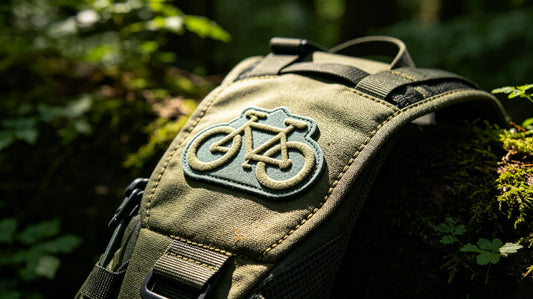
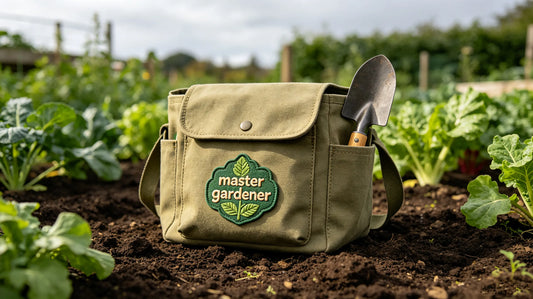
3D foam raised embroidery has become a favoured detail for high-end streetwear and independent fashion labels. High-density polyester stitching fully encases closed-cell foam to form sculpted logos, abstract graphics, character illustrations and custom brand marks. The pliable structure moves naturally with denim, fleece, canvas and twill without stiffening garments. The raised surface creates dramatic light shadow contrast, performing exceptionally well in fashion shoots and social media content. Perfect for seasonal capsule collections, limited drop apparel, designer outerwear and accessory branding, foam embroidery balances artistic creativity and everyday wear durability.
For fashion designers and brand merchandisers, small details determine perceived product value. Generic low-quality embellishments cheapen premium apparel lines. This guide outlines the core advantages of 3D embroidered patches for fashion use, creative design specifications, material choices and practical guidance for bulk production runs.

Part 1: Why Fashion & Streetwear Brands Choose 3D Raised Embroidery Patches
1.1 Tactile Sculpted Texture for Standout Visual Merchandising
Sculpted foam generates dramatic light-shadow depth. Flat branding appears lifeless in photos and retail displays, while raised 3D patches deliver eye-catching dimensionality ideal for lookbooks, social media content and in-store styling. Shoppers recognise tactile detailing as a marker of premium garment quality.
1.2 Flexible Construction Compatible With Varied Fashion Fabrics
3D foam embroidery remains supple and adaptable. It works seamlessly on rigid denim, soft fleece hoodies, lightweight canvas and structured twill fabrics. Unlike rigid plastic patches, it does not crease garments or create uncomfortable pressure points during wear.
1.3 Stable Colour Retention For Long-Term Garment Wear
Fully sealed perimeter stitching locks foam securely within embroidery. Industrial grade colourfast polyester threads resist fading from sunlight and regular washing, maintaining consistent appearance throughout the garment’s lifecycle. This consistency preserves brand aesthetics across full apparel collections.
1.4 Unlimited Creative Shape Options For Artistic Brand Graphics
Designers can develop fully custom silhouettes: abstract logos, cartoon graphics, floral motifs, geometric shapes, lettermark branding and experimental asymmetrical artwork. Laser-cut borders free designs from standard oval, rectangular and shield shapes to support avant-garde streetwear aesthetics.
1.5 Flexible Minimum Order Quantities For Small Labels & Large Collections
Independent designers often require small-batch limited runs, while established streetwear brands need mass production for global releases. 3D embroidered patch manufacturing supports low minimum orders for emerging labels and scales efficiently for large seasonal collection rollouts.
Part 2: Fashion-Focused Design Specifications for 3D Embroidery Patches
2.1 Graphic Digitisation Guidelines for Fashion Artwork
Streetwear graphics include abstract illustrations, stylised lettering, minimalist logos and detailed character art. Optimise artwork during digitisation for stable foam embroidery:
- Minimum uppercase letter height: 6mm for standard 2mm foam; 8mm for thick 3mm high-relief foam
- Thin fine-line artistic elements require moderate thickening to avoid foam exposure
- Outer contour lines improve durability; avoid overcrowding micro-details that cannot translate clearly into stitching
2.2 Size Matching for Common Fashion Apparel
- Small chest & sleeve patches: 3cm–6cm, suited for hoodie chest prints, sleeve cuffs and collar branding
- Medium front & pocket patches: 7cm–11cm, standard size for denim jacket chest panels and cargo pocket branding
- Large back statement patches: 12cm–22cm, designed for oversized denim jacket back panels and hoodie back branding
2.3 Fashion Colour Matching Recommendations
Select colourfast polyester threads with matte and lustre variants. Popular streetwear colour schemes: monochrome black and off-white, muted earth tone palette, vintage washed red and cream, desaturated sage green, charcoal and dusty blue. Muted tones align with contemporary minimalist fashion aesthetics, while bold saturated hues suit graphic streetwear styles.
2.4 Mandatory Edge Sealing Requirements
All custom irregular shapes must implement complete perimeter wrapping stitching. Unsealed edges allow moisture and laundry detergent to penetrate foam, leading to internal degradation and patch deformation after repeated washing. Merrow borders or sealed laser-cut edges are required for production.

Part 3: Material Selection for Fashion-Grade 3D Embroidery Patches
Embroidery Thread
High tensile colourfast polyester thread. Matte thread delivers minimalist vintage styling; subtle lustre thread suits bold graphic streetwear. Avoid cotton thread, which fades quickly and loses definition after repeated washing.
Base Fabric
Medium-weight stable polyester twill, resistant to stretching after repeated laundering, delivering consistent support for dense foam stitching.
3D Core: Closed-Cell EVA Foam
Medium-soft closed-cell foam as standard.
- 2mm foam: Universal option for small chest and sleeve branding on everyday fashion apparel
- 3mm foam: Selected for statement back patches and limited-edition collectible merchandise
Backing Options for Fashion Apparel
✅ Sew-On Backing (Top Recommendation for Permanent Garments) Maximum durability through repeated washing, no risk of adhesive failure. Preferred by fashion brands for sewn-in premium detailing on core apparel lines. ✅ Hook & Loop Backing Ideal for modular, interchangeable fashion pieces and creative customisable apparel concepts. ⚠️ Iron-On Backing Only suitable for prototype samples; fluctuating temperatures during washing and storage lead to detachment, not recommended for commercial fashion releases.
Edge Finishing Options
- Merrow Stitched Border Classic wrapped edge, excellent abrasion resistance, widely used for timeless streetwear and heritage fashion styles.
- Laser Cut Sealed Edge Perfect for avant-garde, asymmetrical and abstract designer graphics. Must be paired with complete foam wrapping stitching.
- Hot Cut Edge Restricted to low-cost promotional accessories; insufficient durability for commercial fashion apparel.
Part 4: Production Standards for Fashion Patches
Professional 3D Embroidery Digitising
- Balance stitch density to avoid excessive compression flattening foam relief
- Enforce full perimeter foam wrapping stitching to fully cover foam material
- Add surrounding stabilising running stitches to minimise edge curling after repeated washing
Physical Sample Approval Before Bulk Manufacturing
Digital mockups cannot replicate foam height, thread texture and colour behaviour under studio lighting. All fashion brand orders must approve physical samples before mass production to verify appearance on denim, fleece and canvas for lookbook consistency.
Batch Colour Consistency
All patches within one production batch use identical thread lots to eliminate colour variation, ensuring uniform branding across full apparel collections.

Part 5: Application & Garment Care Guidance
- Use high-quality polyester sewing thread when attaching sew-on patches to denim and fleece to prevent stitching failure during movement and washing.
- Avoid placing large thick patches on high-flex elbow and waist seams to reduce continuous compression.
- Wash garments inside out with mild neutral detergent; harsh bleaches and stain removers accelerate thread fading and foam deterioration.
- Air dry or use low-temperature tumble drying; prolonged high heat will gradually collapse foam layers.
- Never apply high-temperature iron directly onto raised embroidery surfaces.
Part 6: Common Defects & Practical Solutions
- Thread colour fades rapidly after repeated washing Cause: Low-grade thread lacking colour fastness Solution: Specify Grade 4 colourfast polyester embroidery thread for all fashion patches
- Raised 3D shape permanently flattens Cause: Over-compressed stitch density or overly soft foam Solution: Optimise digitising parameters and select medium-density closed-cell foam
- Foam visible at patch edges Cause: Incomplete perimeter wrapping stitching Solution: Implement full perimeter foam wrapping and sealed edge finishing as mandatory production rule
- Iron-on patches detach after laundry cycles Cause: Inferior hot melt adhesive sensitive to moisture and temperature Solution: Choose sew-on or hook & loop backing for commercial fashion apparel
- Patch edges curl after long-term wear Cause: Insufficient stabilising stitches or thin base twill Solution: Upgrade base fabric weight and add reinforcing stabilising stitches

Part 7: Maintenance Guidance for Garments With 3D Embroidery Patches
- Turn garments inside out before washing to reduce surface abrasion on embroidery
- Avoid bleach, fabric softeners and strong chemical cleaners to preserve thread colour
- Do not stack heavy clothing pressing onto patches during storage to retain three-dimensional form
- Avoid extended soaking in water to protect internal foam structure
Part 8: 2026 Industry Trend for Fashion 3D Embroidery Patches
Independent streetwear brands and contemporary fashion labels are moving away from disposable printed graphics toward textured 3D foam embroidery for limited drops. Avant-garde asymmetrical shapes, muted neutral colour palettes and oversized back patches continue growing in popularity. Consumers associate dense sculpted embroidery with exclusive, high-value apparel, separating limited-edition pieces from mass-market fast fashion. Sew-on laser-cut patches dominate avant-garde designer lines, while merrow edge styles remain popular for classic streetwear aesthetics.
Final Summary Core Rule
Genuine fully sealed foam wrapped 3D raised embroidery patches deliver tactile, eye-catching branding impossible to replicate with flat prints and ordinary embroidery. Flexible, wash-resistant construction works across denim, fleece hoodies, canvas bags and twill outerwear. Sew-on backing delivers reliable long-term performance for commercial fashion collections, while hook & loop enables creative modular apparel concepts. Production must adhere to full foam wrapping standards and utilise high-grade colourfast polyester thread. Optimised digitising ensures patches retain sculpted shape and consistent colour through wear and washing, helping fashion brands craft distinctive, high-value apparel with memorable tactile detailing.

Frequently Asked Questions
Q1: Which backing is best for commercial streetwear denim jackets? A: Sew-on backing delivers maximum durability and is the standard choice for fashion apparel sold to end consumers.
Q2: Can abstract and asymmetrical designer artwork be made into 3D embroidered patches? A: Yes. Complex artistic shapes require careful contour adjustment during digitisation to achieve consistent foam wrapping and sharp clean edges.
Q3: Will 3D embroidery patches maintain quality after repeated garment washing? A: Properly manufactured patches with fully sealed edges and premium polyester thread retain texture and colour through dozens of laundry cycles.
Q4: What foam thickness works best for limited-edition back denim jacket patches? A: 3mm medium-soft closed-cell foam creates bold sculpted texture ideal for statement fashion detailing.
Tags:
Previous
Custom 3D Raised Embroidery Patches for Sports Teams, Leagues & Athletic Apparel | Brand Guide
Next
Custom 3D Raised Embroidery Patches for Scouts, Youth Groups & Nonprofit Organisations | Brand Guide