Custom Patch 3D Foam Embroidery Guide | Craft Features, Design Rules & Usage Tips
3D foam embroidery is a popular upgraded version of traditional embroidered patches. By adding foam padding between base fabric and embroidery threads, it creates a plump, raised 3D effect that is more eye-catching than flat embroidery. It combines the softness of textile materials and strong visual impact, favored by clubs, sports teams, fashion brands and gift makers. To ensure perfect presentation and long service life, you need to master its unique craft characteristics, design limits and usage specifications.
Custom 3D embroidered patches focuses on high-quality 3D foam embroidery production, with full thread coverage and stable foam structure, supporting diversified custom designs for all scenarios.

Part 1: What Is 3D Foam Embroidery Patch
Core Structure
Three-layer integrated structure: bottom base fabric + middle soft foam pad + top dense embroidery threads. The foam supports the threads to form a raised shape, while fully covered stitches lock the foam inside to prevent exposure and damage.
Main Craft Features
- Strong 3D Stereo Sense: Raised surface with obvious layers, more vivid than flat patches.
- Soft Texture: Retain the flexibility of embroidery, not stiff like rubber patches.
- Rich Color Performance: Compatible with multi-color threads, gradient colors and metallic threads.
- Light Weight: Lighter than PVC patches, no heavy feeling when worn on clothing.
- Decorative Focus: Outstanding visual effect, ideal for highlighting logos and core patterns.
Part 2: Material Classification & Performance
1. Conventional EVA Foam (Most Widely Used)
- Advantages: Moderate softness, low cost, good resilience, not easy to collapse under normal pressure.
- Applicable: Daily clothing, backpacks, general decorative patches.
- Note: Avoid long-term soaking and heavy squeezing.
2. High-Density Hard Foam
- Advantages: Higher hardness, strong support, resistant to extrusion and deformation.
- Applicable: Large 3D patches, frequently rubbed positions, outdoor activity patches.
- Feature: Raised shape remains intact after long-term use.
3. Ultra-Thin Foam (Low-Profile 3D Effect)
- Advantages: Slight raised effect, thin body, close fit with fabric.
- Applicable: Formal uniforms, high-end apparel, scenarios requiring subtle stereo sense.
4. Fully Sealed Embroidery Treatment
High-quality 3D patches adopt full thread wrapping. No exposed foam edge, effectively prevent water penetration and foam peeling.

Part 3: Design Rules & Restrictions
1. Pattern & Line Requirements
- Recommended: Bold outlines, large color blocks, complete graphic patterns, logo emblems and cartoon shapes.
- Not recommended: Ultra-fine lines (below 2mm), tiny text and scattered small patterns. Foam support will make tiny details distorted.
- Rule: Main pattern area for 3D raising, border and background keep flat for stable structure.
2. Size Selection Standard
- Large size (3.5"–7"): Best choice for 3D effect, large raised area presents full stereo sense, suitable for vest back, jacket back.
- Medium size (2.2"–3.4"): Balanced effect, widely used on chest, sleeves and bags.
- Mini size (<2"): Not recommended. Limited space makes foam laying difficult, 3D effect is weak and easy to deform.
3. Color & Layer Design
- Control total color quantity within 6 colors to avoid messy stitches and unstable foam support.
- Distinguish primary and secondary layers: Main pattern higher, auxiliary patterns slightly lower for layered beauty.
- Metallic thread matching: Add gold or silver threads on edges to enhance premium texture.
4. Shape Restrictions
- Regular shapes (round, square, shield, irregular totem) work perfectly.
- Complex hollow-out shapes are not recommended: Hollow parts lose foam support, easy to deform and damage.
Part 4: Backing Selection & Matching Suggestions
1. Sew-On Backing (Top Recommendation)
- Advantages: Firm fixation, no glue failure risk, compatible with washing and outdoor use.
- Applicable: Clothing, uniforms, vests and long-term fixed decorative patches.
- Tip: Stitch along the flat border instead of raised 3D area to avoid piercing foam.
2. Heavy-Duty Velcro Backing
- Advantages: Easy disassembly and replacement, convenient for collection and scene switching.
- Applicable: Tactical vests, activity souvenirs, collectible 3D patches.
- Note: Choose full-coverage Velcro to disperse pressure and prevent partial collapse.
3. Iron-On Hot Melt Backing (Conditional Use)
- Suitable only for low-frequency use and indoor dry environments.
- Taboo: Frequent washing, rainy outdoor use. High temperature and water will damage foam and glue.
4. Self-Adhesive Backing
- Only for temporary display on hard surfaces, not for long-term use on fabrics.

Part 5: Scenario Application Classification
1. Team & Club Emblems
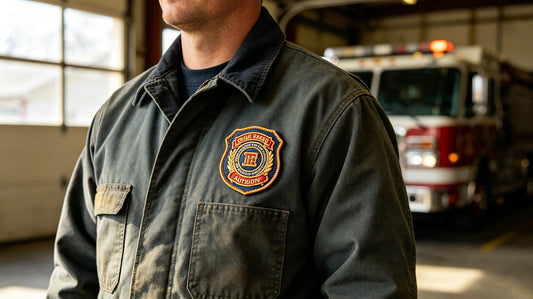
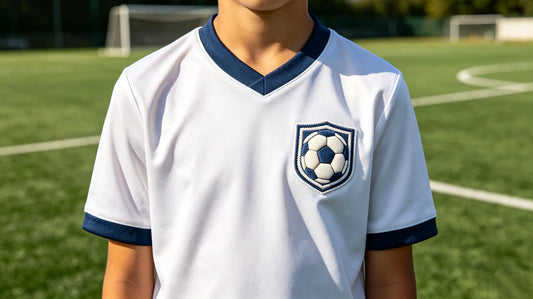
3D foam patches highlight team identity, ideal for sports teams, motorcycle clubs, student organizations. Use medium to large size with sew-on or Velcro backing.
2. Fashion & Street Decoration
Match denim jackets, canvas bags and caps. Rich stereo sense improves fashion sense, popular among young people.
3. Gifts & Commemorative Souvenirs
Exquisite three-dimensional appearance improves gift grade. Suitable for festival gifts, event souvenirs and limited collection patches.
4. Brand Promotional Products
Use low-profile ultra-thin 3D patches for brand logos, add subtle stereo effect without losing formal style.
5. Not Suitable Scenarios
- Long-term rainy outdoor environments (foam absorbs water easily).
- Close-fitting tight clothing (bulky raised surface affects comfort).
- Items requiring repeated strong friction.
Part 6: Washing, Cleaning & Daily Maintenance
- Washing Rules: Hand wash or gentle machine cycle only. Strictly forbid long soaking, strong twisting and squeezing.
- Water Temperature: Use cold water below 30°C, avoid hot water to prevent foam aging.
- Drying Method: Natural air dry in shade. Do not use high-temperature dryer or direct sun exposure.
- Cleaning: Use soft brush to remove dust, do not scrub hard on raised areas.
- Storage: Place flat during long-term storage, do not stack heavy objects on top to avoid permanent collapse.

Part 7: Quality Identification of High-Quality 3D Patches
- Full thread coverage, no exposed foam on edges and gaps.
- Uniform foam height, no partial depression or uneven raising.
- Dense and neat stitches, no floating threads or missing stitches.
- Moderate resilience: Press gently and it bounces back quickly without permanent deformation.
- Firm edge treatment, no thread shedding or fraying.
Part 8: Common Design & Usage Mistakes To Avoid
- Make ultra-small size 3D patches → poor stereo effect and easy deformation.
- Design tiny text and ultra-fine lines on 3D areas → details distorted and unrecognizable.
- Use 3D patches for long-term rainy outdoor use → foam absorbs water, becomes heavy and damaged.
- Apply high-temperature iron or dryer during cleaning → foam shrinks and collapses.
- Choose partial thin Velcro for large 3D patches → uneven pressure causes local depression.

Final Summary Core Rule
3D foam embroidery features vivid raised effect and soft texture. Prioritize bold patterns and medium-to-large sizes in design; avoid tiny details and hollow-out shapes. Select sew-on or Velcro backing for most scenarios, stay away from hot water, soaking and heavy extrusion. Proper use and maintenance keep 3D patches plump and intact for a long time.
Frequently Asked Questions
Q1: Are 3D foam patches waterproof?
A: Ordinary 3D foam patches are not fully waterproof and will absorb water when soaked.
Q2: What size is the best for 3D foam embroidered patches?
A: 2.2 inches to 7 inches works best; mini patches under 2 inches are not recommended.
Q3: Can 3D patches be washed in washing machine?
A: Yes, only use cold water and gentle cycle, never soak or wring hard.
Q4: Which backing is most durable for 3D patches on clothing?
A: Sew-on backing is the most stable and durable choice.
Tags:
Previous
Custom Patch PVC vs Embroidery Patches | Performance, Style, Cost & Usage Comparison
Next
Custom Patch Merrow Edge vs Heat Cut Edge | Edge Types, Pros & Cons & Selection Guide