Custom Patch Backing Options Full Comparison Guide | Sew-On, Iron-On, Velcro, Self-Adhesive Pros, Cons & Best Use
Patch backing directly determines installation method, wear durability and applicable material range. Numerous customers arbitrarily choose low-cost iron-on or self-adhesive backing for frequently laundered official uniforms, resulting in large-area peeling after short-term usage. Mastering each backing’s inherent advantages and limitations is the key to avoiding post-production application failure and secondary modification expense.
Custom 3D embroidered patches supports free switching among all five mainstream backing options for embroidery, woven and PVC patch orders according to customer practical demand.

Part 1: Five Core Backing Type Feature Breakdown
1. Sew-On Backing (Permanent Fixed Standard Option)
- Feature: Plain fabric base without adhesive, fully rely on manual or machine stitching fixation; unlimited wash cycles, never fall off
- Advantages: Ultra-high durability, compatible with all fabric materials including fleece, thick denim and coarse knit; no extra backing upgrade cost in most basic orders
- Disadvantages: Require needle thread or sewing machine for installation, higher manual labor cost for mass apparel processing
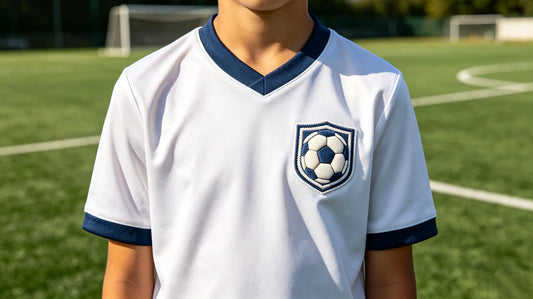
- Best Fit: Official sports team uniform, vintage biker leather vest, long-term daily wearing outerwear
2. Iron-On Hot Melt Backing (DIY Low-Cost Fast Installation)
- Feature: Rear coated hot melt glue activated by high heat, single pressing completes bonding without stitching
- Advantages: Quick household installation with only an iron, low upgrade surcharge compared to velcro
- Disadvantages: Cannot withstand frequent high-temperature laundry, easy edge lifting after repeated washing; invalid on waterproof coated fabric
- Best Fit: Casual seasonal DIY clothing, one-time event souvenir apparel, limited-wash craft accessories

3. Hook & Loop Velcro Backing (Detachable Reusable Option)
- Feature: Patch pre-glued hook side, matching loop fabric sewn on target item, free repeated attach and remove
- Advantages: Unlimited swap of seasonal/league patches, zero damage to original garment surface during replacement
- Disadvantages: Highest backing upgrade cost among common options; hook easy to snag fine knit threads during washing
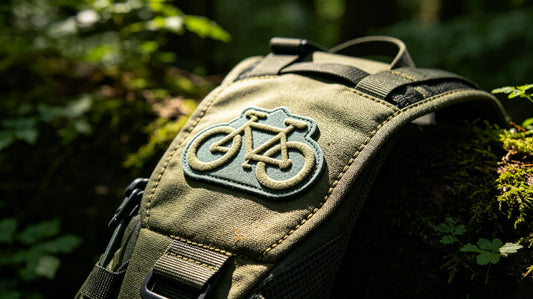
- Best Fit: Tactical outdoor gear vest, yearly updated league sports apparel, multi-theme interchangeable hat decoration
4. Self-Adhesive Peel & Stick Backing (Instant Temporary Decoration)
- Feature: Cold pressure-sensitive glue with protective release liner, peel liner and press for instant fixation
- Advantages: Zero auxiliary tools needed, fastest installation for smooth hard surfaces
- Disadvantages: Poor water resistance, invalid on rough porous fabric; short service life on textiles
- Best Fit: Hard plastic water bottles, smooth PU notebook, temporary non-washable bag decoration

5. Heat Seal Thin Film Backing (Garment Factory Mass Processing)
- Feature: Thin transparent hot melt film, requires industrial heat press machine instead of household iron
- Advantages: Flat invisible bonding, neat apparel surface without stitch trace, ideal for factory bulk production
- Disadvantages: Cannot install manually at home, need professional hot press equipment
- Best Fit: Large apparel factory OEM clothing bulk customization
Part 2: Backing Cost Tier From Low To High
Sew-On(Free Default) < Iron-On < Self-Adhesive < Heat Seal Film < Velcro Hook&Loop
Part 3: Quick Matching Rule By Core Usage Requirement
- Permanent long-term wear + regular laundry → Sew-On
- Home DIY one-time casual use + limited budget → Iron-On
- Seasonal repeated patch replacement → Velcro Hook & Loop
- Hard smooth non-textile temporary decoration → Self-Adhesive
- Garment factory large-batch uniform production → Heat Seal Film

Part 4: Common Wrong Backing Selection Costly Mistakes To Avoid
- Equip official weekly-wash school team uniform with iron-on backing → bulk peeling after several laundry cycles needing full resewing
- Pick self-adhesive backing for coarse fleece hoodie patches → glue sinks into fabric gap leading immediate shedding
- Choose velcro for low-cost bulk promotional giveaway patches → excessive backing cost raises total procurement budget sharply
Final Summary Core Rule
Long-wash permanent items choose sew-on; casual home DIY pick iron-on; frequent swap design use velcro; hard smooth non-clothing select self-adhesive; factory mass production adopts heat seal backing.
Define service life and target material first before confirming patch backing upgrade.

Frequently Asked Questions
Q1: Which backing is free default without extra upgrade charge for most custom patches?
A: Plain sew-on fabric backing is the standard free default option.
Q2: What backing is ideal for frequently replaced tactical gear morale patches?
A: Hook & loop velcro backing supports repeated disassembly and replacement perfectly.
Q3: Can self-adhesive patches be firmly fixed on thick fuzzy fleece fabric?
A: No, rough porous texture absorbs adhesive and cannot form stable bonding.
Q4: Which backing needs industrial heat press instead of household iron for installation?
A: Heat seal film backing requires professional factory hot press equipment.
Tags:
Previous
Custom Patch Sample Order Complete Guide | Sample Types, Sample Cost, Lead Time & Bulk Order Discount Rules
Next
Custom Patch Copyright & Licensed Design Buying Guide | Copyright Risk, Licensed Art Rules & Avoid Infringement Loss