Custom Patch Velcro Backing Guide | Hook & Loop Pros, Cons, Installation & Best Use Cases
Velcro hook & loop backing is the only reusable, detachable patch backing type in the custom patch industry. While sew-on and iron-on patches provide permanent fixation, Velcro patches support unlimited disassembly, style switching and gear replacement. Widely used in military tactical gear, airsoft uniforms, outdoor sports equipment and team interchangeable emblems, Velcro backing solves the pain point of fixed single-style decoration. Mastering Velcro patch durability, maintenance rules and usage limits ensures long-term stable adhesion and avoids frequent loosening problems.
Custom 3D embroidered patches provides premium industrial-grade Velcro backing upgrades with strong adhesion, durable loop fabric and clean edge trimming for all custom patch styles.

Part 1: Velcro Backing Basic Structure & Types
1. Hook Side (Hard Side)
The hard granular Velcro layer fixed on the back of custom patches. Made of high-density industrial nylon hooks, featuring strong gripping force, tough and wear-resistant, no shedding after long-term repeated pasting.
2. Loop Side (Soft Side)
The soft fuzzy fabric layer that needs to be sewn on garments, vests or gear. The hook side fastens tightly to the loop side to achieve stable attachment. Standard orders include free matching loop side pieces for customer self-installation.
3. Full-Cover Velcro vs Border Velcro
- Full-cover Velcro: Entire patch back covered with Velcro, maximum adhesion, suitable for large and heavy patches
- Border Velcro: Only patch edge pasted with Velcro, lighter texture, suitable for small mini patches

Part 2: Core Advantages Of Velcro Backing Patches
1. 100% Reusable & Interchangeable
Users can switch different patch styles daily, replace seasonal designs or change team emblems anytime without modifying the garment. Perfect for players who pursue diverse personalized styling.
2. Zero Installation Tools Required
No sewing, no ironing, no glue. One-second quick attachment and disassembly, convenient for daily replacement and outdoor tactical use.
3. Convenient Garment Washing Maintenance
Detach Velcro patches before washing clothes, avoiding thread wear, rubber aging and Velcro lint sticking during machine washing, greatly extending patch service life.
4. Damage-Free Protection For High-End Gear
No stitching holes or iron heat damage on tactical vests, outdoor jackets and expensive gear, protecting the integrity of high-value equipment.
5. Long-Term Cost-Effective
One set of loop side installation supports unlimited patch replacement, no need to customize new garments when updating logos or styles.

Part 3: Limitations & Disadvantages Of Velcro Backing
1. Slightly Thicker Than Ordinary Backing
Velcro layer increases overall patch thickness, resulting in slightly bulging texture compared to flat sew-on patches, not suitable for ultra-thin formal business apparel.
2. Easy To Stick Lint & Dust
Velcro hook gaps easily absorb hair, lint and sundries, which may reduce adhesion if not cleaned regularly.
3. Not Suitable For High-Friction Frequent Movement
Extreme violent friction or pulling may cause temporary detachment, not recommended for professional competitive sports high-intensity activity scenarios.
Part 4: Best Usage Scenarios For Velcro Patches
1. Tactical & Airsoft Gear
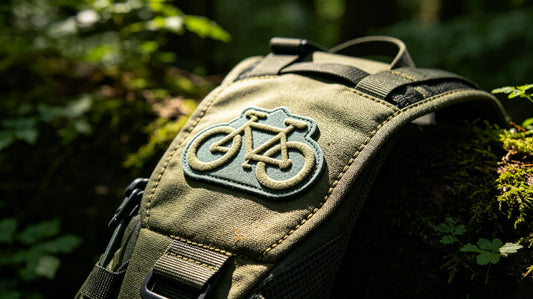
The most mainstream application scenario. Tactical vests, backpacks, military uniforms and combat gear widely adopt Velcro interchangeable morale patches.
2. Multi-Style Personalized Matching
Fashion enthusiasts who frequently change patch styles and update daily outfits.
3. Event & Temporary Team Uniforms
Short-term activities, competitions and volunteer teams that need unified emblems and later style restoration.
4. Collectible Patch Sets
Limited-edition collection patches need repeated installation and storage without permanent fixation.

Part 5: Velcro Patch Daily Maintenance & Strength Restoration
- Regularly clean hook gaps with small brush to remove lint, dust and sundries to restore adhesion
- Avoid long-term high-temperature extrusion to prevent Velcro deformation
- Store detached patches flat to avoid hook bending and loosening
- Replace aging loop side every 1–2 years to maintain stable sticking effect
Part 6: Common Velcro Backing Selection Mistakes To Avoid
- Use Velcro backing on slim formal business uniforms → bulky texture destroys formal flat dressing effect
- Forget to remove Velcro patches before machine washing → serious lint accumulation and adhesion failure
- Choose border Velcro for oversized heavy back patches → insufficient sticking area leads to easy falling off
- Ignore loop side aging and continue using loose gear → frequent patch detachment during outdoor activities

Final Summary Core Rule
Tactical gear / multi-style switching / collectible patches / temporary uniforms = Velcro hook & loop backing; formal thin apparel / high-friction sports scene = avoid Velcro; clean lint regularly for lasting adhesion; full-cover for large patches, border Velcro for mini logos.
Select Velcro backing for flexible, detachable and reusable patch decoration needs.
Frequently Asked Questions
Q1: Are Velcro patches reusable multiple times?
A: Yes, high-quality industrial Velcro supports thousands of repeated disassembly and installation.
Q2: Do Velcro patches fall off easily during outdoor activities?
A: Standard full-cover Velcro stays stable under normal activity; only extreme violent pulling causes detachment.
Q3: Can I wash clothes with Velcro patches attached?
A: Not recommended; detach patches first to avoid lint accumulation and adhesion weakening.
Q4: Does Velcro backing damage jackets or gear?
A: No, Velcro installation requires no sewing or ironing, completely damage-free for garments.
Tags:
Previous
PVC Patch vs Embroidered Patch Full Comparison | Durability, Texture, Cost & Best Application
Next
Custom Patch Fulfillment & Shipping Guide | Production Timeline, Shipping Methods, Tracking & Delivery Tips