Woven Patches Guide: Ultra-Fine Details, Features & Custom Uses
When your design includes extremely small text, ultra-thin lines or highly complex delicate patterns, ordinary embroidered patches often fail to present clear details. This is where woven patches become the ideal solution. Made with advanced weaving technology, woven patches feature ultra-fine texture, flat surface and exceptional performance in restoring tiny elements. They are widely used for brand labels, formal uniforms, luxury apparel, organizational emblems and high-precision logo customization.
Many customers confuse woven patches with embroidered patches, not knowing their differences in craftsmanship, applicable designs and service scenarios. Choosing the wrong type will lead to blurry text or distorted patterns.
This full guide explains everything about custom woven patches, including core features, craft advantages, design limitations, standard sizes, border choices, installation methods and matching scenarios. You will easily tell woven patches apart from other styles and make the best choice for your project. For diverse customization needs, custom 3D embroidered patches also provides professional woven patch solutions to complement your product lineup.

What Are Woven Patches & Core Advantages
Woven patches are produced by interlacing fine yarns on professional weaving looms, forming complete patterns and texts directly. Unlike embroidery that stacks threads on base fabric, weaving builds up the whole patch structure with yarns. This fundamental difference brings unique strengths:
1. Unmatched Fine Detail Performance
This is the biggest advantage of woven patches. They can clearly display ultra-small fonts, thin outlines and intricate decorative patterns that embroidery cannot handle. Even miniature logos and dense text stay sharp and legible, perfect for designs requiring high precision.
2. Ultra-Thin & Flat Surface
Woven patches are thin, smooth and low-profile. They do not have the raised thread texture of embroidery, lying completely flat against fabric. They will not bulge or feel bulky, ideal for slim-fit clothes, dress shirts and close-fitting uniforms.
3. Soft & Flexible Texture
The overall structure is soft and pliable. It fits curved surfaces naturally, does not harden after washing, and maintains comfort during long-time wearing. It won’t scratch skin or restrict movement.
4. Stable Color & Durability
High-quality dyed yarns ensure uniform color and strong color fastness. The tight weaving structure prevents loose threads, resisting repeated washing, friction and daily wear. The service life is comparable to top-grade embroidered patches.
5. Neat Edges & Clean Look
Well-made woven patches have tidy edges and uniform texture, presenting a delicate, elegant and professional visual effect, favored by high-end brands and formal organizations.
Woven Patches vs Embroidered Patches: Key Differences
It is critical to distinguish these two mainstream fabric patch types before ordering:
Craft & Texture
- Woven Patches: Yarns interlace to form the patch itself, flat surface, no raised threads, fine and compact texture.
- Embroidered Patches: Threads stitch onto a base fabric, obvious raised thread layers, three-dimensional tactile feeling.
Detail Presentation
- Woven: Excellent for tiny text, thin lines and complex mini patterns; minimum readable text can be as small as 2mm.
- Embroidered: Limited by needle and thread thickness; tiny fonts and ultra-thin lines will merge and turn blurry.
Thickness & Fit
- Woven: Ultra-thin, low-profile, suitable for slim and close-fitting clothing.
- Embroidered: Thicker with layered threads, more three-dimensional, slightly bulging on fabric.
Style Positioning
- Woven: Delicate, minimalist, formal, high-end brand style.
- Embroidered: Rich texture, casual, trendy, three-dimensional visual impact.
Choose woven patches if your design focuses on small text and fine details. Pick embroidered patches if you prefer stereo thread texture and bold visual effects.

Standard Shapes & Recommended Sizes
Woven patches support regular and irregular shapes, with sizes ranging from miniature labels to large decorative emblems.
Common Shapes
- Rectangle & Square: Most popular for clothing labels, name tags and formal logos, concise and standard.
- Oval & Round: Soft lines, elegant style, suitable for brand emblems and hat decorations.
- Shield & Badge Shape: Classic for team, school and organizational insignias, formal and solemn.
- Custom Irregular Shapes: For creative brand marks and personalized designs.
Universal Size Reference
- Mini Labels (2cm – 4cm): Mainly used for clothing inner tags, small brand marks and accessory labels. The classic size for ultra-small text and logos.
- Standard Size (4cm – 7cm): Widely applied on uniform chest, sleeve and hat positions, balancing detail and visibility.
- Medium Size (7cm – 10cm): For main brand logos, team emblems and large identification signs.
- Large Size (10cm+): Used for jacket back decorations and large-area pattern display, less common for woven styles.
Border Options for Woven Patches
Border design affects durability and overall appearance. Two mainstream choices are available:
Heat Cut Border
The patch edge is cut by high temperature, sealing yarn ends to prevent fraying. The edge is flat and thin, matching the low-profile feature of woven patches. It is the most cost-effective option, suitable for most daily and label use.
Merrow Overlock Border
Professional looping stitching around the perimeter. The edge is firm, three-dimensional and not easy to wear. It enhances formality and durability, the top choice for formal uniforms, high-end brand emblems and collectible patches.

Essential Design Rules for Woven Patches
Although woven crafts excel at fine details, they still have technical limits. Follow these rules to guarantee perfect finished products:
-
Text & Line Thickness StandardThe minimum readable text height is 2mm, and the thinnest line should not be less than 0.8mm. Sticking to this standard ensures all content stays clear. Avoid overly exaggerated ultra-fine elements.
-
Color Matching SuggestionsWoven patches use pre-dyed yarns. Control total colors within 6 types for the best cost and effect. Adopt high-contrast color combinations for text and background to improve recognition. Too many colors will increase production difficulty and cost.
-
Avoid Large Solid Color BlocksWoven texture is delicate by nature. Large-area solid color blocks will look less layered. Combine lines and small patterns properly to show the unique charm of weaving craft.
-
Leave Edge MarginsReserve 0.3cm blank space between patterns and patch edges. Prevent patterns from being cut off during trimming and keep the overall layout balanced.
Backing Types & Installation Methods
Sew-On Backing (Default & Most Popular)
Woven patches are mainly designed for sewing. Stitch along the edge, firm and durable, no falling off after long-term washing. It is the standard choice for clothing labels, uniforms and formal apparel.
Iron-On Backing
Add hot melt glue on the back for easy ironing. Suitable for quick installation on hats, bags and light-use items. Since woven patches are thin, use medium-low heat and avoid excessive pressure to prevent fabric deformation.
Velcro Backing
Optional for tactical woven emblems and detachable team marks. Keep the patch size moderate; oversized woven patches with velcro will lose the delicate texture advantage.
Main Application Scenarios
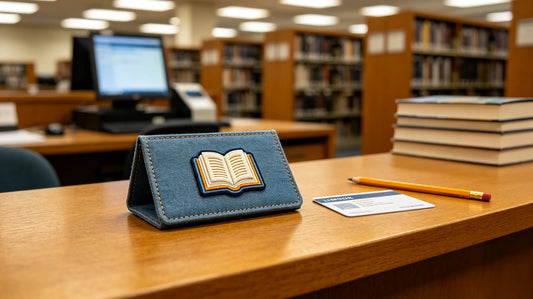
1. Clothing Brand Labels & Tags
The biggest application of mini woven patches. Replace traditional printed labels, with clear text, soft touch and high-grade feeling, widely used on apparel, shoes and bags.
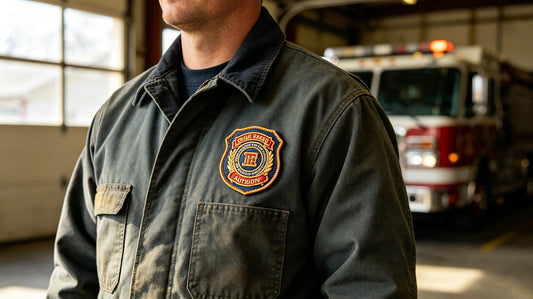
2. Formal Uniforms & Dress Wear
For corporate uniforms, hotel staff outfits, school uniforms and formal costumes. Thin and flat woven patches will not affect the neat appearance of formal clothes.
3. Luxury Fashion & High-End Apparel
Top clothing and accessory brands prefer woven patches for logo display, highlighting exquisite craftsmanship and brand taste.
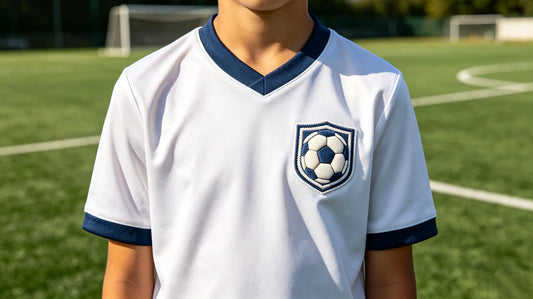
4. Organizational & Club Emblems
Groups requiring small detailed texts and complex totems choose woven patches to ensure every pattern and word is presented completely.
5. Hat & Bag Decoration
Small and medium-sized woven patches decorate hats, handbags and backpacks, creating a minimalist and elegant style different from bold embroidery.

Advantages & Limitations Summary
Advantages
- Outstanding performance on tiny text and thin lines.
- Ultra-thin, flat and comfortable to wear.
- Soft texture, wear-resistant and washable.
- Delicate appearance, suitable for high-end and formal styles.
Limitations
- Cannot create 3D puff raised effects.
- Not good at large-area thick patterns and bold stereo textures.
- Excessively large woven patches lose their unique advantages.
Common Customization Mistakes to Avoid
- Designing text smaller than 2mm, leading to unreadable content.
- Using too many colors, raising unnecessary production costs.
- Choosing woven patches for designs pursuing strong 3D stereo effects.
- Ignoring edge margins, resulting in truncated patterns after cutting.
- Using high-temperature iron for a long time, causing patch shrinkage and deformation.

Final Woven Patch Summary
Woven patches are the prime choice for high-precision designs with tiny text and fine lines. Their ultra-thin, flat and soft features make them irreplaceable for clothing labels, formal uniforms and high-end brand customization.
Select heat cut border for daily labels and merrow border for formal emblems. Sew-on backing guarantees long-term durability, while iron-on backing meets quick installation demands.
When your design requires clear miniature details and a low-profile elegant look, custom woven patches will deliver far better results than ordinary embroidered patches. Combining woven, embroidered, PVC and leather patches allows you to cover all styles and functional demands for comprehensive customization.
Frequently Asked Questions
Q1: What is the biggest advantage of woven patches?
A: They can display ultra-small text and fine lines clearly, much better than embroidery.
Q2: Are woven patches thinner than embroidered patches?
A: Yes, woven patches are ultra-thin and lie completely flat on fabric.
Q3: Which is better for clothing labels, woven or embroidered?
A: Woven patches are the best choice for clothing labels due to their thinness and fine details.
Q4: Can woven patches be ironed on?
A: Yes, choose iron-on backing and use medium-low heat for installation.
Tags:
Previous
PVC Rubber Patches Guide: Durability, Styles & Custom Applications
Next
Custom Event & Festival Patches: Design Ideas & Ordering Guide