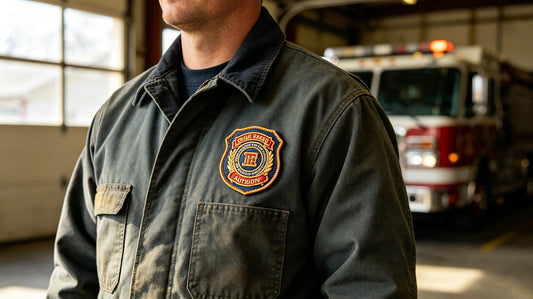
Velcro Hook & Loop Patch Full Guide | Backing Selection, Application Pros & Cons and Replacement Tips
Hook and loop (commonly named velcro) backing has become the mainstream choice for tactical morale patches, law enforcement uniform insignia and collectible interchangeable emblems. Unlike permanent sew-on or iron-on options, velcro design enables frequent patch swap without damaging gear fabric, yet improper base fabric selection and long-term friction wear easily cause bonding failure.
This comprehensive guide clarifies hook/loop structure difference, grade classification, applicable usage scenarios, pros cons analysis and affordable DIY repair solutions for deteriorated velcro base. Custom 3D embroidered patches provides standard heavy-duty hook backing upgrade for all custom tactical patch orders.

Part 1: Basic Structure & Two Core Velcro Parts Definition
- Hook Side: Hard small plastic hooks pre-sewn on patch reverse, fixed permanently onto finished custom patch during production; factory default attachment side on all velcro custom patches.
- Loop Side: Soft fuzzy fabric panel that needs to be fixed onto target gear (vest, hat, backpack); available in sew-on or self-adhesive sticky variants for DIY installation.
Key Rule: Patch always comes with hook backing; loop base must be separately mounted on clothing/accessory for bonding.
Part 2: Three Common Loop Base Types & Suitable Scenarios
1. Sew-On Woven Loop Fabric (Heavy-Duty Industrial Grade)
Best for high-frequency daily use on tactical vest, uniform, outdoor backpack; withstand repeated hundreds of patch swaps and machine laundry without peeling; top pick for professional tactical teams.
2. Self-Adhesive Glue-Back Loop Tape (DIY Casual Grade)
No sewing needed, peel-off liner then stick onto smooth fabric/nylon surface; ideal for temporary home DIY modification on casual hats and daily backpacks; not recommended for frequent washing.
3. Pre-Fabricated Loop Hat Panels
Ready-made loop patch sections pre-installed on baseball cap rear by apparel factories, mainstream standard for headwear brand matching interchangeable custom patches.

Part 3: Core Advantages of Hook & Loop Custom Patches
- Quick interchange: Swap different themed patches anytime to update outfit style without stitching or heat ironing.
- Zero fabric damage: No permanent puncture or adhesive residue left on gear unlike sew/iron on options.
- Easy gear cleaning: Remove all patches before laundry to prevent stitch abrasion or backing peeling during washing cycle.
- Collectible friendly: Convenient patch collection storage and periodic display arrangement for hobby enthusiasts.
Part 4: Disadvantages & Usage Limitations
- Higher unit cost than regular sew/iron-on backing due to extra velcro raw material and sewing labor.
- Adhesive loop variant fails after repeated water soaking and frequent wash cycles.
- Loose fine loop fuzz gradually wears down after long-term heavy friction, losing bonding capacity over years.
- Cannot attach directly onto leather, waterproof silicone coated fabric without pre-installing matching loop base first.

Part 5: DIY Fix For Worn Out Failed Velcro Base
- Severe fuzzy loop wear: Peel old damaged loop base fully off gear, replace with new sew-on or self-adhesive loop tape and fix firmly.
- Minor partial loop wear: Cut small new loop patch to cover worn section, stitch around edges to reinforce bonding.
- Adhesive loop falling off fabric: Abandon sticky variant, switch to hand-sewn loop for permanent durable fixation.
Part 6: Purchase Selection Tips For Different Buyers
- Tactical club/law enforcement bulk uniform order → Upgrade heavy-duty industrial sew-on hook backing + matched bulk loop fabric roll.
- Individual hobby casual DIY collection → Standard regular hook patch + self-adhesive loop tape for convenient home installation.
- Hat boutique retail custom order → Match pre-cut standard hat size loop panels together with custom hook patches.

Common Velcro Patch Usage Mistakes To Avoid
- Trying to stick hook patch directly onto ordinary cotton fabric without pre-mounted loop base leading no adhesion.
- Apply cheap adhesive loop on frequently washed uniform → glue dissolves after several laundry cycles and drops off.
- Expose self-adhesive loop to long-time rain or soaking → premature backing failure and partial peeling.
Final Summary Core Rule
Patch = fixed hook backing; gear = separately installed loop base; sew-on loop for heavy frequent use, adhesive loop for temporary casual DIY; replace worn fuzzy loop timely to recover normal patch bonding.
Select corresponding velcro grade matching gear usage frequency and wash habit.

Frequently Asked Questions
Q1: Which side of velcro is sewn onto custom patches by default?
A: Hard hook side is permanently attached on patch back; soft loop needs separate installation on target gear.
Q2: Which loop type is most durable for regular washed tactical uniforms?
A: Sew-on woven industrial grade loop fabric owns superior wash and wear resistance.
Q3: Can velcro patch attach directly onto plain denim without loop base?
A: No, requires pre-installed matching loop fabric to realize stable bonding.
Q4: How to fix heavily worn fuzzy loop that can’t hold patches?
A: Remove old worn base and replace with brand new sew-on or self-adhesive loop tape.
Tags:
Previous
How To Create Perfect Patch Artwork For Custom Production | Design Specs, Size Limitations & Common Design Pitfalls
Next
3D Puffy Embroidered Patches Complete Guide | Craft Features, Cost & Best Application Scenarios