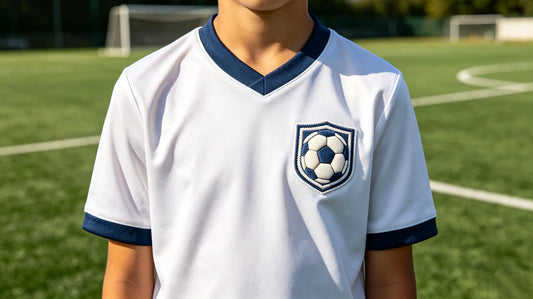
How to Apply Iron-On Patches Correctly | Step-by-Step Installation Guide
Iron-on patches are favored by many users for their easy installation and no sewing required. However, a large number of people encounter problems after application, such as loose edges, partial peeling and the whole patch falling off soon. In most cases, these issues are not caused by poor patch quality, but improper ironing methods, wrong temperature or incorrect operation steps.
Whether you are decorating T-shirts, hoodies, jeans or backpacks, standard operation can make iron-on patches stick firmly for a long time. Different fabrics also need matched temperature and pressing skills. If you use the same method on all materials, it is easy to damage clothes or fail to bond the patch.
This professional step-by-step guide covers tool preparation, position adjustment, temperature control, formal ironing and post-operation notes. It also summarizes solutions for common problems like warped edges and weak adhesion. Master these skills, and you can install all kinds of 3D puff embroidered patches and flat patches perfectly at home. Reliable custom 3D embroidered patches uses high-quality hot melt glue, and standard installation will maximize its service life.

Preparations Before Installation
Before starting to iron, complete full preparation work to avoid mistakes halfway. First, get ready basic tools: a household flat iron, an ironing board or thick flat cushion, a piece of clean thin cotton cloth or gauze, and the iron-on patch. Do not use steam iron mode during the whole process, turn off all steam functions in advance. Water vapor will dilute the hot melt glue and cause poor adhesion.
Next, handle the clothing or fabric. Clean the target area thoroughly to remove dust, stains and fluff. Dirty surface will affect the bonding effect. If the fabric is wrinkled, iron it flat first. Keep the fabric spread tightly and flat on the ironing board, without folds or bulges. Uneven fabric will make the patch paste crooked and leave gaps.
Then confirm the patch position. Put the patch on the desired spot, adjust the angle and distance, and check the overall visual effect. Once the ironing starts, the patch will be fixed immediately, so make sure the position is satisfactory before proceeding. For 3D puff patches, do not squeeze the raised part heavily during preparation to prevent permanent deformation.
Fabric Classification & Corresponding Temperature Settings
Temperature is the core factor determining adhesion effect. Different fabrics have different heat resistance, and the temperature must be adjusted accordingly.
For cotton, denim and canvas fabrics, set the iron to high temperature mode. These thick materials can bear strong heat, and high temperature can fully melt the hot melt glue to achieve the best adhesion. This temperature range is also the most common setting for jeans, casual jackets and canvas bags.
For polyester, blended fabric and ordinary sportswear, choose medium temperature. Such fabrics are easy to shrink or melt under excessive heat. Medium temperature can melt the glue normally while protecting the fabric structure. Most hoodies and long-sleeve tops apply this temperature.
For thin pure cotton, knitted fabric and delicate clothing, use low temperature. Control the heat strictly, and shorten the ironing time properly. Too high temperature will burn the thin fabric and leave yellow marks.
Never apply high temperature on waterproof coated fabric, nylon and plastic mixed materials. These materials will melt and deform under heat, and iron-on patches are not recommended for such fabrics in general.

Detailed Step-by-Step Installation Process
Step one, place the patch well. After confirming the position, keep the patch fixed and do not shift it. Keep the front side of the patch upward and the glue backing closely attached to the fabric.
Step two, cover with cotton cloth. Lay the prepared thin cotton cloth completely over the patch. This layer acts as isolation protection, preventing the high-temperature iron from directly scalding the embroidery threads, metallic patterns or the patch surface. It also makes the heat distribute more evenly. This step is especially important for 3D puff patches and patches with metallic thread.
Step three, start formal ironing. Preheat the iron to the matched temperature, then press firmly on the covered cloth. Push and move the iron slowly, apply even pressure on every part of the patch. For regular-sized patches, keep pressing for 20 to 30 seconds continuously. For large patches and thick 3D puff patches, extend the time to 40 to 60 seconds, and iron section by section to ensure every area is fully heated.
Do not stay in one spot for too long, which may cause local overheating. Keep moving slowly while maintaining steady pressure.
Step four, check the edge after the first ironing. Lift the cotton cloth gently, check if the patch edges are fully attached. If there are slightly warped parts, cover the cloth again and reinforce ironing on those areas.
Step five, natural cooling. After ironing is completed, do not touch or move the patch immediately. Leave the clothes flat and let the patch cool down naturally for 10 to 15 minutes. The hot melt glue needs time to solidify completely. Pulling or lifting the patch while it is still hot will directly destroy the adhesion effect.
Special Operation for 3D Puff Patches
3D puff patches have foam inside to form a raised structure, so the ironing method needs slight adjustment compared with flat patches.
First, do not use excessive pressure. Overly strong extrusion will compress the foam and make the three-dimensional effect disappear permanently. Keep steady and moderate pressure, focus on heat conduction rather than pressing flat.
Second, extend the ironing time appropriately. The foam layer is thick and heat conduction is slower. On the premise of not overheating the fabric, properly increase ironing duration to make the bottom glue melt fully.
Third, protect the raised surface well. Be sure to use a thick enough isolation cloth. The uneven three-dimensional surface is easier to be scratched or scalded by high-temperature iron. Avoid repeatedly rubbing the top of the raised area.
Fourth, pay more attention to edge parts. The perimeter of 3D patches is the most prone to warping. Focus on reinforcing ironing along the edges to make the glue bond tightly.

How to Fix Common Problems After Installation
If the patch edges lift up after cooling, it means the heat or pressure was insufficient. Cover with cotton cloth again, re-iron the warped edges at the corresponding temperature for 10 to 15 seconds, then let it cool naturally. Do not pull the edges forcibly during repair.
If the whole patch is easy to peel off, the main reason is low temperature or short heating time. You can try overall re-ironing. If the fabric itself cannot bear higher temperature, it is suggested to sew the edges manually for reinforcement.
If the fabric shrinks or leaves scorch marks, it is caused by too high temperature or long-time local ironing. Next time lower the temperature and control the ironing time. For damaged clothing, stop using high-temperature operation on the same position.
For patches falling off after multiple washes, it is a normal performance of hot melt glue after long-term use. You can re-iron for reinforcement, or change to sew-on method for permanent fixation.
Daily Tips to Extend Service Life of Iron-On Patches
After successful installation, good daily habits can effectively delay glue aging. Try to turn the clothes inside out before machine washing, reducing friction between the patch and other clothes. Select gentle washing mode and avoid high-speed spinning.
Do not use bleach or strong alkaline detergent, which will accelerate glue failure and thread fading. Try to hang for natural air drying, and avoid high-temperature dryer.
Do not repeatedly iron the patch surface in daily arrangement. Frequent high-temperature heating will soften the glue and reduce adhesion. If you need to iron the clothes, turn it over and iron the reverse side.

Common Mistakes to Avoid During Operation
The first mistake is using steam iron. Water vapor will isolate the glue from the fabric and lead to weak adhesion. Second, ironing without isolation cloth, resulting in scalded threads and damaged patch surface.
Third, moving the patch before complete cooling, which is the main cause of loose patches. Fourth, using uniform high temperature on all fabrics, burning thin clothes or shrinking materials.
Fifth, applying excessive pressure on 3D puff patches and flattening the stereo effect. Sixth, insufficient ironing time, making the glue unable to melt fully.
Avoiding these wrong operations can greatly improve the success rate of installation.
Final Installation Summary
Applying iron-on patches looks simple, but it contains many professional details. Correct tool preparation, matched temperature according to fabric, standard pressing steps and sufficient natural cooling are four key points for firm adhesion.
For special 3D puff embroidered patches, moderate pressure and extended heating time are required to protect both the three-dimensional shape and bonding effect. When encountering warped edges and weak adhesion, use targeted re-ironing for repair.
Master this complete guide, and you can easily install all iron-on patches at home. Standard operation not only makes the patch neat and firm, but also protects your favorite clothes and extends the overall service life of the patches.

Frequently Asked Questions
Q1: Can I use steam iron to apply iron-on patches?
A: No, please turn off steam completely, water vapor will affect adhesion.
Q2: How long should I let the patch cool after ironing?
A: Wait 10 to 15 minutes for natural cooling before use.
Q3: What temperature to use for denim and jeans patches?
A: Choose high temperature setting for denim and canvas materials.
Q4: How to prevent 3D puff patches from being flattened while ironing?
A: Use moderate pressure instead of hard pressing, and add a thick isolation cloth.
Tags:
Previous
Iron-On vs Sew-On vs Velcro Patches: Which Backing Is Best for You
Next
Custom Patch Care & Washing Guide | How to Make Embroidered Patches Last Longer