Iron-On vs Sew-On vs Velcro Patches: Which Backing Is Best for You
When ordering custom 3D puff embroidered patches, most buyers focus on design, color and size, while ignoring one of the most critical factors: patch backing type. The backing not only decides how you attach the patch, but also affects durability, wash resistance, reusability and even wearing comfort.
Iron-on, sew-on, and velcro backing are the only three mainstream backing options in the custom patch industry. Each type has unique advantages, limitations and suitable application scenarios. Choosing the wrong backing will cause many troubles, such as peeling after washing, uncomfortable bulging, inability to replace, or permanent damage to clothing.
If you have ever encountered patches falling off, warping, or failing to meet your usage expectations, it is very likely due to incorrect backing selection. This comprehensive guide fully compares the three mainstream backings in terms of installation difficulty, durability, washing performance, price and applicable scenarios, helping you make the most accurate choice for every custom order. Reliable custom 3D embroidered patches supports all three backing types to meet different daily and commercial customization needs.

Why Patch Backing Choice Is Critical
Patch backing is the bottom structure that connects the patch to your clothing, bags and gear. Different backing materials completely change the using experience. A suitable backing can make the patch fit flat, stay firm, and last for years. In contrast, an unsuitable backing will lead to frequent problems such as edge lifting, glue failure, fabric deformation and patch falling off.
For bulk team uniforms and commercial merchandise, unified backing selection ensures consistent installation effect and long-term stable quality. For personalized fashion matching and tactical gear, different backings can realize fixed decoration or free disassembly.
In short, design determines the appearance of the patch, while backing determines the actual service life and practicability. Mastering the characteristics of the three backings is a necessary skill for professional patch customization.
Iron-On Backing: Quick & Easy Self-Adhesive Installation
Iron-on backing is the most popular and user-friendly option for daily custom patches. It adopts high-quality hot melt glue coating on the back of the patch. After heating and pressing with an iron or heat press, the glue melts and firmly adheres to the fabric, completing the installation in minutes.
The biggest advantage of iron-on patches is tool-free and hassle-free installation. No sewing skills or professional tools are required. Everyone can finish pasting independently. After cooling, the patch fits flat with the clothes, with no exposed stitching on the surface, maintaining a clean and beautiful overall appearance.
In terms of applicability, iron-on patches work well on most common fabrics such as cotton, polyester, denim and blended materials. They are widely used for daily T-shirts, hoodies, jeans, casual bags and common decorative clothing.
However, iron-on backing also has limitations. It is not suitable for high-frequency washing scenarios. After repeated machine washing, the hot melt glue will gradually fatigue, leading to edge warping and peeling. It cannot be used on special fabrics such as waterproof coating cloth, ultra-smooth nylon and high-temperature resistant materials, which cannot be bonded effectively.
Iron-on patches are the best choice for daily casual decoration, temporary customization, low-budget orders and users who do not want complicated installation.

Sew-On Backing: Ultra-Durable Permanent Fixation
Sew-on backing is the most traditional and most reliable patch bottom structure. It is made of thick and sturdy pure twill fabric without any adhesive layer. Users need to fix the patch on the clothing through manual sewing or machine sewing.
In terms of durability, sew-on patches rank first among all backing types. The stitching fixation method is extremely firm, resisting countless times of machine washing, outdoor friction, high temperature drying and long-term wearing. It will never peel or fall off, and can basically maintain the same service life as the clothes.
Sew-on backing has excellent fabric compatibility. It can be applied to all fabrics including special waterproof cloth, thick canvas, elastic knitted fabric and outdoor functional materials. There is no risk of glue failure or detachment.
For 3D puff patches, sew-on backing is also the most stable option. The firm sewing fixation can well protect the three-dimensional foam structure, preventing extrusion deformation and edge warping during long-term use.
The only disadvantage of sew-on patches is the relatively complicated installation process, which requires sewing tools or professional sewing operation. It is not suitable for users who pursue quick installation. Sew-on backing is the preferred solution for long-term use, high-wash-frequency clothing, outdoor gear and high-standard uniform orders.
Velcro Backing: Reusable & Removable Design
Velcro backing includes hook backing and matching loop tape. The hook surface is fixed on the back of the patch, and the loop tape can be sewn on clothes, bags and tactical gear. The patch can be freely attached and peeled off repeatedly, realizing flexible disassembly and replacement.
The core advantage of velcro patches is reusability and flexibility. You can replace different patches according to matching styles, activities and scenes without changing the whole outfit. It also avoids permanent stitching or glue marks on expensive clothing, protecting the integrity of the original clothes.
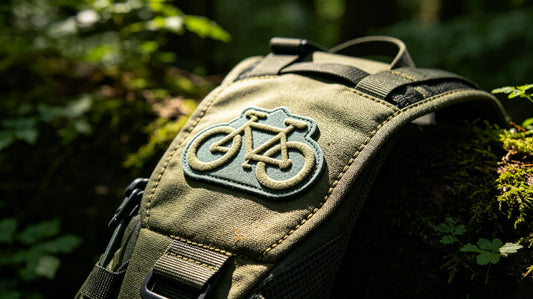
Velcro backing is the exclusive standard for tactical morale patches, military style gear and outdoor equipment. It is also widely used for backpack decorations, team activity identification patches and interchangeable fashion patches.
In terms of durability, velcro patches have a long service life. The hook and loop adhesion can be maintained for years with daily cleaning of floating fluff. The only limitation is that it is not suitable for ultra-thin close-fitting clothing. The velcro thickness will cause slight bulging and affect wearing comfort.

Comprehensive Comparison of Three Backing Types
In terms of installation difficulty, iron-on is the easiest, velcro is moderate, and sew-on is the most complicated. Iron-on can be completed in 2 minutes, velcro only needs simple sticking, while sew-on requires manual sewing.
In terms of durability, sew-on > velcro > iron-on. Sew-on patches can be used for several years, velcro can be reused for a long time, and iron-on is suitable for medium and short-term use.
In terms of washing resistance, sew-on supports unlimited washing, velcro needs to be removed before washing, and iron-on is only suitable for limited times of hand washing and gentle machine washing.
In terms of appearance flatness, iron-on and sew-on are completely flat and fit closely, while velcro has slight thickness.
In terms of flexibility, velcro is the most flexible with replaceable design, while iron-on and sew-on are fixed permanently after installation.
In terms of price, iron-on is the most cost-effective, sew-on is moderate, and velcro is slightly higher due to extra materials.
Best Scenarios for Each Backing Type
Choose Iron-On If:
You need fast installation without sewing; customize daily casual clothes and gifts; pursue flat and invisible fitting effect; have a limited budget; do not need frequent washing.
Choose Sew-On If:
You make team uniforms, work clothes and school uniforms; the patches need long-term use and repeated washing; apply on special functional fabrics; customize high-end permanent decorative patches and 3D puff patches for outerwear.
Choose Velcro If:
You customize tactical and military-style patches; need to replace patches frequently; decorate backpacks and outdoor gear; avoid permanent damage to clothing; make activity identification and interchangeable team marks.

Backing Matching Tips for 3D Puff Patches
3D puff patches have raised foam layers, so backing selection needs extra attention.
For daily casual 3D patches on hoodies and jeans, iron-on backing is sufficient for beautiful fitting effect. For jacket back large 3D puff patches that need long-term display, sew-on backing is strongly recommended to prevent foam deformation and edge peeling caused by long-term friction.
For tactical 3D morale patches, velcro backing is the standard match. The removable design protects the three-dimensional raised structure from unnecessary wear during washing and storage.
It is not recommended to use iron-on backing for oversized 3D puff patches. The heavy three-dimensional structure is easy to fall off due to insufficient adhesive force after long-term use.
Common Backing Selection Mistakes to Avoid
The first mistake is using iron-on patches on uniforms that need frequent washing, resulting in rapid peeling. Second, choosing velcro backing for thin close-fitting T-shirts, causing bulging and poor comfort.
Third, using sew-on patches for temporary decoration, wasting time on unnecessary sewing work. Fourth, matching iron-on patches on waterproof and coated fabrics that cannot be adhered firmly.
Fifth, choosing fixed iron-on and sew-on backings for frequently replaced team identification patches, resulting in inability to update styles flexibly.
Avoiding these mismatches can greatly improve the practicality and service life of custom patches.

Final Backing Selection Summary
Iron-on, sew-on and velcro backings have their own irreplaceable advantages. Iron-on is fast, convenient and cost-effective for daily casual use. Sew-on is ultra-durable and stable, perfect for permanent uniform and long-term wearing scenarios. Velcro is flexible and reusable, specially suitable for tactical gear and replaceable decorative patches.
When customizing 3D puff embroidered patches, you need to comprehensively consider usage frequency, washing times, installation conditions and fabric types to select the most suitable backing. Reasonable backing matching can maximize the quality and practicability of custom patches, avoiding after-sales problems such as peeling and damage.
Frequently Asked Questions
Q1: Which patch backing is the most durable?
A: Sew-on backing is the most durable and wash-resistant for permanent use.
Q2: Are iron-on patches easy to fall off?
A: With correct ironing, they last long for daily use; not suitable for frequent machine washing.
Q3: Can velcro patches be washed?
A: It is better to remove them before washing to protect the velcro adhesion.
Q4: What backing is best for 3D puff patches on jackets?
A: Sew-on backing is the most stable for long-term use on outerwear.
Tags:
Previous
Custom Patch Border Guide: Merrow Border vs Heat Cut Border Differences
Next
How to Apply Iron-On Patches Correctly | Step-by-Step Installation Guide