Custom Patch Border Guide: Merrow Border vs Heat Cut Border Differences
Most customers focus on patch patterns, colors and 3D effects when customizing 3D puff embroidered patches, but ignore one decisive detail — the patch border. The edge finish not only shapes the overall neatness and professionalism of the patch, but also directly affects durability, washing resistance and service life.
In the custom patch industry, there are only two mainstream edge finishing technologies: merrow border and heat cut border. Each has unique appearance features, craftsmanship costs, durability performance and applicable scenarios. Many bad user experiences such as edge fraying, thread shedding and patch deformation are caused by choosing the wrong border type.
If you want formal, long-lasting and high-grade patches, or trendy, irregular and lightweight designs, you need to match the correct edge style. This complete guide fully explains the differences between merrow borders and heat cut borders, helping you make zero-mistake choices for every order. Reliable custom 3D embroidered patches provides both border finishes to match different usage and design needs.

Why Patch Border Style Is So Important
The border is the outermost protective layer of the patch. Without professional edge treatment, the fabric and embroidery threads will continuously fray and fall off after friction and washing. A well-finished border locks all stitching tightly, fixes the overall shape and prevents structural damage.
Visually, the border determines the patch style positioning. Merrow borders create a thick, three-dimensional, formal and classic look, while heat cut borders present thin, flat, smooth and trendy effects. The wrong border will make high-quality embroidery look uncoordinated and unprofessional.
In addition, the border type also restricts patch shapes. Complex irregular shapes are only suitable for heat cutting, while standard regular shapes are perfect for merrow edging. Understanding these rules can maximize the appearance and durability of your custom patches.
What Is Merrow Border (Overlock Stitched Edge)
Merrow border is the traditional classic patch edge technology, also known as overlock border. It uses a special merrow machine to wrap dense continuous embroidery threads around the patch perimeter, forming a raised thick stitching edge.
Merrow borders are usually 2mm to 3mm in width, with uniform thickness, neat lines and strong three-dimensional sense. The thread wrapping structure tightly locks all edge fabrics and stitching threads, completely preventing fraying and loose threads.
This craft is only applicable to regular shapes such as round, oval, square, rectangle and shield. It cannot be used for complex irregular outlines and hollow cutout shapes. Due to manual and mechanical restrictions, merrow edging cannot bend freely with arbitrary curves.
Merrow border is the symbol of high-standard formal patches, widely recognized in the industry for its super durability and stable shape retention.

What Is Heat Cut Border (Laser Sealed Edge)
Heat cut border is a modern high-temperature sealing process. After the patch embroidery is completed, professional laser cutting equipment cuts the patch into the required shape at high temperature, and instantly melts and seals the fabric edge.
The high-temperature thermal sealing principle makes the edge fiber solidified, so there will be no loose threads or fraying. The biggest feature of heat cut border is thinness and flatness. There is no raised stitching on the edge, keeping the patch surface completely flat and smooth.
The greatest advantage of heat cutting is free shape customization. It supports all irregular outlines, cartoon silhouettes, graffiti edges, multi-curve shapes and hollow cutout designs. It is the only choice for creative personalized patches with complex outlines.
Compared with merrow border, heat cut edges are lighter and more low-profile, very suitable for fitting on thin clothes and close-fitting fabrics.
Core Differences: Merrow Border vs Heat Cut Border
1. Appearance & Texture
Merrow border has obvious raised stitching edges, strong three-dimensional layering, classic and formal texture. It makes the patch look full, thick and high-grade, with clear boundary sense.
Heat cut border is completely flat with no raised lines. The edge is smooth and thin, simple and low-key, highlighting the integration between the patch and the clothes. The overall style is more fashionable and casual.
2. Durability & Wash Resistance
Merrow border has the strongest durability. The wrapped stitching structure will never loose or fray. It can withstand unlimited machine washing and long-term outdoor friction, maintaining complete shape for years. It is the most reliable edge for long-term use patches.
Heat cut border is durable for daily use, but the high-temperature sealed edge will gradually harden after repeated high-frequency washing and strong friction. Individual edges may slightly warp after long-term use. Its overall service life is slightly lower than merrow border.
3. Shape Adaptability
Merrow border only supports standard regular shapes, including circle, oval, square, rectangle, shield and regular badge outlines. It cannot make irregular curves and random shapes.
Heat cut border has zero shape restrictions, supporting any custom outline, irregular shape, animal shape, character shape, broken line edge and hollow design, with extremely high design freedom.
4. Wearing Comfort
Merrow border is slightly thick with raised edges. It is fine for outerwear, hats and bags, but may have slight foreign body sensation on ultra-thin close-fitting clothes.
Heat cut border is thin and flat, perfectly fitting all fabrics including thin T-shirts and knitted clothes, bringing almost zero foreign body feeling.
5. Price & Cost
Merrow border requires special manual edging process, with higher production cost, suitable for high-quality formal batch orders.
Heat cut border adopts automatic laser cutting, fast production speed and lower cost, with higher cost performance for personalized creative patches.

Best Usage Scenarios for Merrow Border Patches
Merrow border is the first choice for all formal and long-term use scenarios.
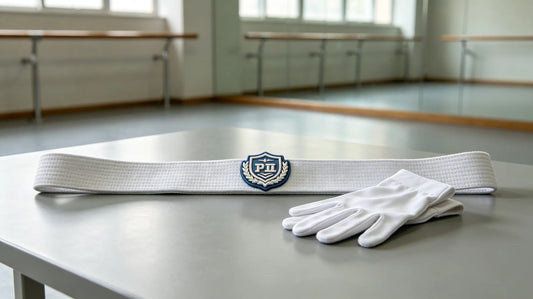
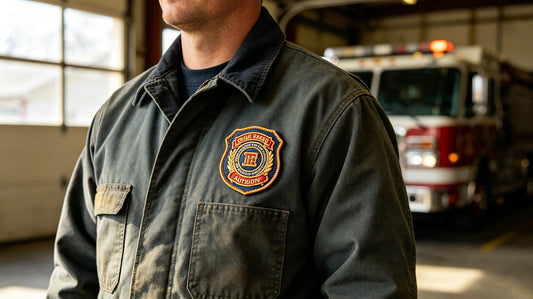
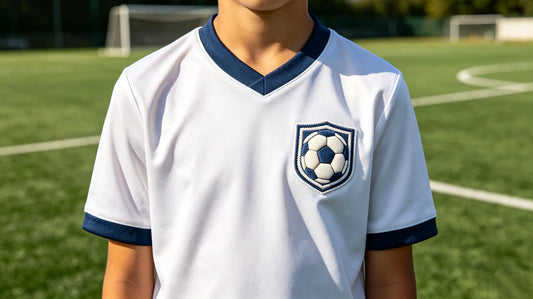
Team uniforms, school uniforms, work uniforms and military tactical emblems must choose merrow borders. The neat raised edge improves the formality and standardization of the team image, and super durability ensures long-term repeated washing without damage.
Various honor badges, championship patches, commemorative patches and formal logo patches are also best matched with merrow borders. The three-dimensional wrapped edge enhances the ritual sense and premium texture of the patches.
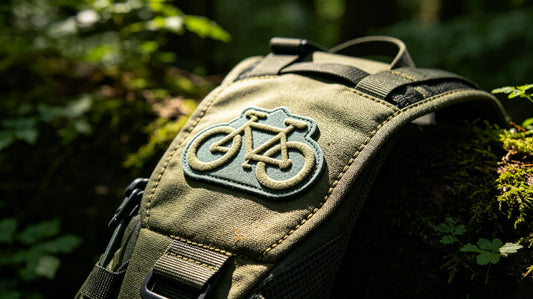
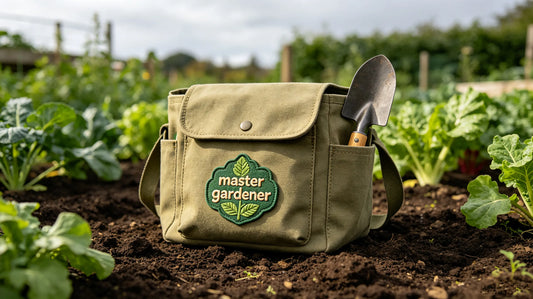
Standard hat patches, jacket chest patches and outdoor gear identity patches are also classic application scenarios for merrow borders.
Best Usage Scenarios for Heat Cut Border Patches
Heat cut border is tailored for fashion creativity and personalized customization.
All irregular shape patches, cartoon patches, graffiti patches and creative art patches must use heat cut technology, because merrow edging cannot realize complex outlines.
Streetwear clothing patches, fashion brand merchandise, casual decorative patches and gift patches prefer heat cut borders. The flat and thin edge will not destroy the minimalist fashion style of the outfit.
For thin T-shirts, knitted fabrics and close-fitting clothes, heat cut edges are more comfortable and will not bulge or affect wearing experience.

Border Selection Tips for 3D Puff Patches
3D puff patches have inherent foam thickness, so border matching needs targeted skills.
For regular-shaped 3D puff patches such as round, square and shield, merrow border is strongly recommended. The thick stitched edge echoes the three-dimensional raised effect of 3D puff, making the overall patch more layered and full, with stronger stereo texture.
For irregular creative 3D puff patches, heat cut border is the only option. It can perfectly follow complex curved outlines while keeping the edge flat and neat, avoiding bulky and uncoordinated edges.
Note that overly thick 3D puff patches with heat cut edges need strict cutting process to prevent edge foam exposure. Professional factories will optimize the cutting depth to ensure beautiful and durable edges.
Common Mistakes When Choosing Patch Borders
Many customers choose borders blindly, resulting in reduced patch grade.
First, using heat cut borders for formal uniform patches, leading to insufficient three-dimensional sense and weak official atmosphere. Second, forcing merrow borders for irregular creative patches, resulting in distorted shapes and failed designs.
Third, choosing heat cut edges for high-frequency washing uniform patches, causing edge warping after multiple washes. Fourth, matching thick merrow borders on ultra-thin T-shirts, resulting in bulging edges and poor wearing comfort.
Clarifying the usage scenario and design shape can completely avoid these errors.

Final Border Selection Summary
Merrow border and heat cut border have their own advantages and applicable fields, and there is no absolute better one.
Choose Merrow Border if you need formal style, super durability, regular shape, long-term use and team uniform batch customization.
Choose Heat Cut Border if you need creative irregular shapes, flat and thin fit, fashion casual style and comfortable wearing effect.
Reasonable border matching can maximize the quality and service life of 3D puff embroidered patches, making your customized works more professional and exquisite.
Frequently Asked Questions
Q1: Which patch border is more durable?
A: Merrow border is far more durable, fray-proof and wash-resistant for long-term use.
Q2: Can irregular patches use merrow borders?
A: No, merrow edging only supports regular shapes; irregular patches must use heat cut borders.
Q3: Which border looks more high-end?
A: Merrow border presents a thicker, three-dimensional and premium formal texture.
Q4: Are heat cut edges easy to fall off?
A: No, qualified laser heat-sealed edges are tight and safe for daily use.
Tags:
Previous
Custom Patch Design Tips for Beginners | Step-by-Step Guide to Great Patch Art
Next
Iron-On vs Sew-On vs Velcro Patches: Which Backing Is Best for You