Leather Patch Guide: Styles, Uses & Customization Tips for Leather Patches
When you want to add a vintage, rugged, luxurious and high-end touch to hats, jackets, bags and accessories, leather patches are always the top choice. Different from fabric embroidered patches, leather patches feature unique grain texture, firm touch and timeless retro style. They are widely favored by fashion brands, streetwear designers, outdoor brands and handmade creators.
Many people love the texture of leather patches but know little about material selection, available crafts, design limits and correct installation methods. Unsuitable patterns or wrong installation will easily damage leather texture and affect the overall appearance.
This complete leather patch guide introduces mainstream materials, classic crafts, popular styles, design rules, installation solutions and applicable scenarios. Whether you customize brand logo patches, retro decorative emblems or team identification patches, you can create ideal premium works. Besides fabric styles, custom 3D embroidered patches also supports matching leather patch customization to enrich your product lines.

What Are Leather Patches? Main Material Types
Leather patches are decorative emblems made of genuine leather or synthetic leather, processed with logos, texts and patterns through physical or printing crafts. They are tough, wear-resistant and have strong three-dimensional texture, totally different from soft fabric patches. We divide them into two main material categories:
Genuine Leather Patches
Made from natural cowhide, sheepskin and other animal leather. Each piece has unique natural grain, soft and elastic hand feel, excellent durability and aging resistance. With long-term use, genuine leather will form a natural patina, becoming more retro and textured. It belongs to high-grade customization material, suitable for high-end fashion goods, limited editions and collectible items. The price is relatively higher, and the production process is more exquisite.
Faux Leather / Synthetic Leather Patches
Also called PU leather, made of polymer synthetic materials. The surface can simulate various leather grains, with stable texture, uniform color and affordable price. It has good waterproof and anti-fouling performance, easy to clean and maintain. Synthetic leather is the mainstream choice for mass production, daily fashion products and bulk orders. Its appearance is close to genuine leather, meeting most decorative and identification demands.
Classic Crafts for Leather Patches
Leather cannot support traditional embroidery, so it adopts exclusive processing techniques. The four most popular crafts are as follows:
Embossed (Raised Logo)
Press the pattern to form raised relief on the leather surface. The logo and text protrude naturally, with strong three-dimensional sense and stereo layering. No color fading, extremely durable, and the most classic craft for leather patches. Suitable for brand logos, simple icons and bold texts.
Debossed (Engraved / Indented Logo)
The pattern is pressed inward to form concave marks. The lines are neat and low-key, presenting a delicate and restrained high-end feeling. The whole surface remains flat, very suitable for minimalist style and luxury brand positioning.
Silk Screen Printing
Print patterns, colorful logos and complex graphics on leather surface. It can realize multi-color collocation, gradient effects and rich details that embossing cannot do. The style is flexible and diverse, suitable for trendy patterns and colorful creative designs. Choose high-quality ink to ensure no peeling or fading.
Heat Transfer Printing
Transfer high-definition pictures and complex full-color patterns onto leather. The detail restoration is excellent, suitable for complex illustrations and personalized full-color designs. The surface is smooth, and the color is vivid.

Standard Shapes & Common Sizes
Leather patches mostly adopt regular shapes to highlight a neat and classic feeling, and irregular shapes are also available for creative styles.
Popular Shapes
- Rectangle, square: Most universal, suitable for name tags, brand logos and text labels.
- Oval, round: Soft lines, retro and elegant, widely used for hat front patches.
- Shield shape: Tough style, matching outdoor and tactical products.
- Custom irregular shape: For trendy streetwear and exclusive creative designs.
Recommended Sizes
- Hat front patches: 5cm – 7cm, the most common size for baseball hats and beanies.
- Chest & sleeve patches: 6cm – 8cm, for jackets, coats and overalls.
- Small label patches: 3cm – 5cm, for clothing inside labels, bags and small accessories.
- Large decorative patches: 10cm – 15cm, for the back of jackets and large-area decoration.
Key Design Rules for Leather Patches
Leather materials and crafts have certain limitations. Following these rules can avoid production failure and poor presentation:
-
Control line thickness and text sizeFor embossed and debossed crafts, the minimum line thickness is 1.2mm, and the minimum text height is 3.5mm. Ultra-thin lines and tiny letters cannot be clearly pressed, leading to blurred patterns. Keep fonts bold and strokes thick for best results.
-
Simplify complex details for embossingEmbossing and debossing perform poorly on dense tiny details. Do not design too many scattered small patterns. Simple outlines, large color blocks and concise logos work best. For complex details, choose screen printing or heat transfer.
-
Color matching principlesGenuine leather itself has natural color tone. Match dark logos on light leather, or light logos on dark leather to ensure high recognition. Do not use too many colors for printed styles; 2-4 colors keep the style concise and high-end.
-
Leave proper edge marginReserve 0.3cm-0.5cm blank space around the pattern. Too full design will look crowded, and the edge is easy to deform during cutting and pressing.

Best Installation Methods for Leather Patches
Leather has hard texture and poor ductility. Different installation methods apply to different scenarios:
Sew-On (Most Recommended & Permanent)
Sewing is the first choice for leather patches. Use thick polyester thread and matching color to stitch along the edge. Sewing connection is firm, resistant to pulling and washing, and will not fall off for years. It is suitable for hats, denim jackets, leather clothes and outdoor bags. For a more beautiful look, choose hidden stitching or edge wrapping design.
Iron-On (Convenient for Temporary Use)
Add hot melt glue on the back for iron-on installation. Note that leather is sensitive to high temperature. Must control the iron at low heat, shorten pressing time, and avoid long-time high-temperature baking which will harden, crack or discolor the leather. Iron-on is suitable for light-use items and easy replacement.
Self-Adhesive
With strong adhesive on the back, just tear off the film and paste. Easy operation, no tools needed. Only recommended for indoor static decorations and items without frequent friction, not for clothing and outdoor gear.
Main Usage Scenarios of Leather Patches
Leather patches have distinct style positioning, and they shine in these fields:
1. Hat Decoration (Most Popular)
Leather round and oval patches on the front of baseball hats and dad hats are a classic streetwear design. The retro texture of leather greatly upgrades the grade of ordinary hats, which is favored by major fashion brands.
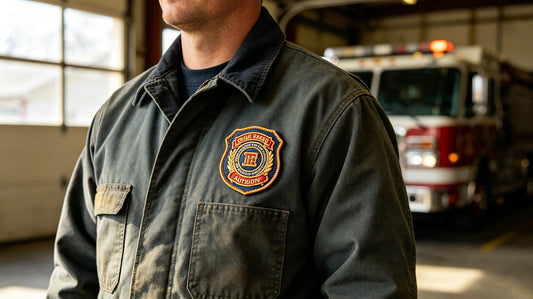
2. Denim & Leather Jackets
Match with denim, leather and canvas jackets to create rugged, casual and American retro style. Used for chest, sleeve and back decoration, with strong personality.
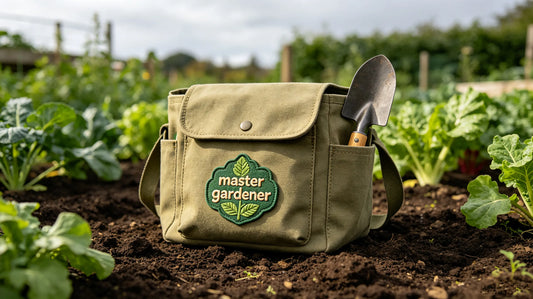
3. Bags, Backpacks & Wallets
As brand labels and decorative emblems for leather bags, canvas bags, backpacks and leather goods. The material is unified, the style is coordinated, and the overall sense of luxury is enhanced.
4. Clothing Labels & Brand Tags
Many apparel brands use small leather patches as external tags to replace traditional woven labels, highlighting brand characteristics and high-end positioning.
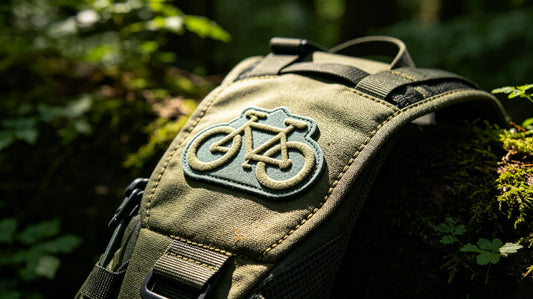
5. Outdoor & Tactical Gear
Cooperate with tactical vests, outdoor backpacks and camping equipment. The wear-resistant and tough texture of leather matches the outdoor style perfectly.

Advantages & Disadvantages of Leather Patches
Advantages
- Unique retro texture, high-grade appearance, strong sense of quality.
- Super wear-resistant, not easy to hook threads, durable service life.
- Various crafts, diverse styles, strong plasticity.
- Waterproof and anti-fouling, easy for daily cleaning.
Disadvantages
- Cannot do embroidery and 3D puff effects.
- Natural leather has higher cost than fabric patches.
- Hard texture, not suitable for ultra-thin close-fitting clothes.
- High temperature may cause deformation and cracking.
Common Customization Mistakes to Avoid
- Designing ultra-thin lines and extra-small text for embossed leather patches, resulting in unclear patterns.
- Using high-temperature iron for a long time, causing leather hardening and cracking.
- Choosing full adhesive installation for clothing that is worn frequently, leading to easy peeling.
- Overly complex patterns for embossing craft, losing detail layering.
- Mismatched color collocation, making logos hard to recognize.
Final Leather Patch Summary
Leather patches are a classic high-end category in custom patches, relying on unique material texture and retro charm to occupy an irreplaceable position in fashion, outdoor and brand customization.
Choose genuine leather for high-end products and collections, and select affordable faux leather for bulk daily orders. Emboss and deboss for minimalist vintage styles, while screen printing and heat transfer for colorful and complex patterns. Sew-on installation is the most reliable for long-term use.
Whether matched with hats, jackets or bags, well-designed leather patches can instantly improve the overall texture and brand temperament, becoming a distinctive decorative highlight different from ordinary embroidered patches.

Frequently Asked Questions
Q1: Are leather patches better than embroidered patches?
A: They have different styles. Leather is retro and premium, while embroidery has soft thread texture and 3D stereo effect. Choose according to style demand.
Q2: Can leather patches be ironed on?
A: Yes, use low heat and short pressing time to avoid damaging the leather.
Q3: What craft is best for leather brand logos?
A: Embossed or debossed craft is the most classic and durable for brand logos.
Q4: Which material is better, genuine leather or faux leather?
A: Genuine leather for high-end products; faux leather for mass orders with cost control.
Tags:
Previous
Custom Uniform Patches: Design, Size & Style Guide for Teams & Staff
Next
PVC Rubber Patches Guide: Durability, Styles & Custom Applications