Guide to Patch Backings: Types, Pros, Cons & How to Choose
When ordering custom patches, most buyers focus on design, size and craftsmanship, while overlooking patch backing. In fact, backing is the core component that determines installation difficulty, firmness, reusability and service life. A beautiful patch may peel off easily or fail to fit your items due to improper backing selection, ruining the overall experience.
There are four mainstream backing types for custom patches: iron-on, sew-on, velcro and self-adhesive. Each has unique material characteristics, installation methods and applicable scenarios. Some are easy to use for quick setup, some prioritize long-term durability, and others support free disassembly and replacement.
This comprehensive guide fully introduces every common patch backing, analyzing material features, pros and cons, installation steps and matching usage scenarios. After reading, you can accurately select the most suitable backing according to your needs. Custom 3D embroidered patches supports all mainstream backing options to meet diverse installation demands.

Overview of Main Patch Backing Types
Before detailed explanation, let’s briefly sort out the four most widely used backings in the industry:
- Iron-On (Heat Seal): Hot melt glue on the back, fixed by high temperature ironing
- Sew-On: Plain fabric base, fixed by manual or machine sewing
- Velcro (Hook & Loop): Hook surface on patch back, matched with loop tape for detachable use
- Self-Adhesive (Sticky): Pressure-sensitive adhesive, peel off film and paste directly
Below we break down each type one by one.
1. Iron-On Backing (Heat Seal Backing)
Material & Principle
A layer of solid hot melt adhesive is coated on the patch back. The glue melts under high temperature from an iron or heat press, adheres tightly to fabric, and solidifies after cooling to complete fixation. It is one of the most popular backings for daily patches.
Pros
- No tools or sewing skills required, fast and easy installation
- Flat surface after pasting, no raised extra layers
- Most manufacturers provide this backing for free
- Firm adhesion on common fabrics like cotton, polyester and denim
Cons
- Poor heat resistance: Repeated high-temperature washing or drying will gradually weaken viscosity and cause edge lifting
- Not suitable for heat-sensitive fabrics such as nylon, silk and leather
- Cannot be reused after peeling off
- Adhesive will age naturally after long-term use
Best Use Cases
- Daily casual clothes, hats, backpacks and denim items
- Event souvenir patches and bulk giveaway patches for quick installation
- Temporary decoration that does not require long-term fixed use
Installation Tips
Use medium-temperature iron, lay a thin cloth between iron and patch, press firmly for 10–20 seconds on each area. Do not use steam function.

2. Sew-On Backing
Material & Principle
The back is original soft base fabric without any glue or accessories. Users fix the patch on items by hand sewing or machine stitching along the edge. This is the most traditional and most durable backing.
Pros
- Ultra-high durability, never falls off even after years of repeated washing and friction
- No temperature limitation, compatible with almost all fabrics
- No aging problem, service life equals the patch itself
- No residual glue after removal, will not damage clothing
Cons
- Requires sewing tools and basic stitching skills
- Installation takes more time than iron-on and adhesive types
- Cannot be disassembled conveniently after full sewing
Best Use Cases
- Formal uniforms, work clothes and school uniforms for long-term wearing
- High-value collection patches and limited-edition patches
- Leather products, outdoor gear and items needing frequent washing
- Users pursuing ultimate stability
Installation Tips
Use thick polyester thread matching the patch color, stitch evenly along the edge to ensure firmness and neat appearance.
3. Velcro Backing (Hook & Loop Backing)
Material & Principle
The patch back is pre-attached with hook side of velcro. You need to paste or sew the matching loop side on target items. The two parts stick together tightly and can be detached freely. It is the standard configuration for morale patches and tactical gear.
Pros
- 100% reusable, detach, replace and rearrange patches at will
- Easy to install and remove, no damage to original items
- Strong sticking force, resistant to pulling and outdoor friction
- Suitable for combination display and patch collection
Cons
- Extra cost compared with free iron-on and sew-on backings
- The velcro layer increases slight thickness
- Hook surface may catch fine fluffy fabrics
Best Use Cases
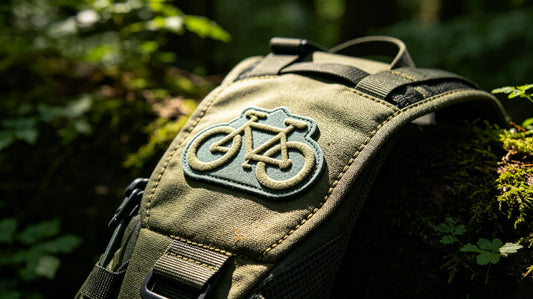
- Tactical morale patches, outdoor vests and hiking backpacks
- Patch display boards and collection enthusiasts
- Teams or groups that need to switch different patches according to activities
- Hats and gear requiring frequent style changes
Installation Tips
Sew or stick loop tape on the fixed position first, then simply press the patch on for assembly.

4. Self-Adhesive Backing (Sticky Backing)
Material & Principle
Similar to stickers, the back is covered with strong pressure-sensitive adhesive and protected by release paper. Tear off the paper and press lightly to finish pasting.
Pros
- The simplest installation, zero tools and operation skills
- Ultra-fast setup, suitable for large-volume quick decoration
- Flat and thin, no extra bulging
Cons
- Low durability on fabric: Easy to curl and peel after friction or washing
- Mostly single-use, poor reusability
- Glue residue may remain after removal
- Not waterproof, fails quickly in humid environments
Best Use Cases
- Static display: Notebooks, patch albums, gift boxes, wall decorations
- Paper products, plastic cases and other hard smooth surfaces
- Short-term temporary decoration with no washing demand
- Sample display and indoor ornament patches
Installation Tips
Wipe the surface clean and dry before pasting to maximize adhesion. Press evenly for 5–10 seconds.
Special Combined Backing Options
In actual customization, some combined backings are also popular for higher practicability:
- Iron-On + Sew-On: Double protection. Iron for quick fixation first, then sew edges to extend service life. Ideal for uniforms and frequently worn clothes.
- Velcro + Iron-On: Stick loop tape via ironing, no sewing needed for loop surface, convenient for light-use tactical gear.

How to Choose the Right Backing? Quick Selection Guide
Choose Iron-On If:
✔ You want easy installation without sewing
✔ Use on cotton, denim, regular fabric
✔ For daily wear, event giveaways and temporary use
Choose Sew-On If:
✔ Prioritize maximum durability and wash resistance
✔ Apply on uniforms, leather, high-end collections
✔ Long-term fixed use with no replacement plan
Choose Velcro If:
✔ Need to replace and rearrange patches frequently
✔ For tactical gear, patch collections and display boards
✔ Like matching different patch combinations
Choose Self-Adhesive If:
✔ Only for static indoor display, no washing or friction
✔ Decorate hard surfaces, paper and stationery
✔ Ultra-fast temporary pasting
Common Mistakes When Using Patch Backings
- Using iron-on patches on silk, nylon and leather: High temperature damages materials, and glue cannot stick firmly.
- Applying self-adhesive patches on clothing: Quick peeling after slight friction.
- Using velcro on fluffy wool fabrics: Hook surface easily snags fibers.
- Ironing with steam: Water vapor penetrates the glue layer and reduces adhesion.
- Excessively high iron temperature: Burns the patch fabric and melts the glue completely.

Final Backing Selection Summary
Patch backing is a small detail that greatly affects user experience. There is no absolute best backing, only the most suitable one for your scenario.
Iron-on balances convenience and cost for daily use; sew-on represents ultimate durability for long-term wearing; velcro is the exclusive choice for detachable and collection demands; self-adhesive is perfect for static display.
Before placing an order, confirm your item material, usage environment and whether replacement is needed. Matching the correct backing can make your custom patches stay firm and beautiful for a long time, avoiding various usage troubles.
Frequently Asked Questions
Q1: Which patch backing is the most durable?
A: Sew-on backing has the longest service life and best wash resistance.
Q2: Are iron-on patches reusable after removal?
A: No, the adhesive will lose stickiness after peeling off.
Q3: What backing do most morale patches use?
A: Velcro backing is the standard for tactical morale patches.
Q4: Can self-adhesive patches be washed normally?
A: Not recommended. They will peel off quickly after getting wet and rubbed.
Tags:
Previous
Patches vs Stickers: Which Is Better for Branding & Promotion
Next
Embroidered Patch Borders: Types, Styles & Selection Guide