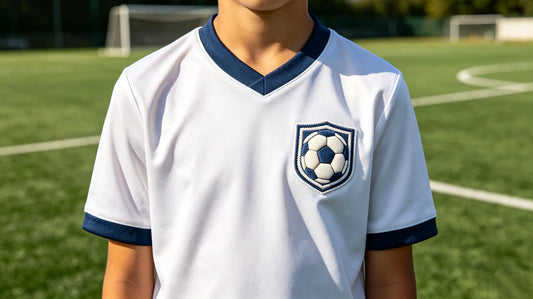
Custom Patch Die Cut vs Merrow Border | Edge Processing Comparison, Cost & Application Guide
Patch edge finishing directly affects overall visual style, wear durability and final unit production cost. Merrow wrapped edge and die-cut raw edge occupy over 95% of global patch edge processing orders; many customers randomly pick edge finish without matching design outline leading mismatched appearance or unnecessary extra manufacturing cost. Regular symmetrical logos fit merrow wrapping well while organic irregular artwork relies on die-cut shaping for natural contour presentation.
This comprehensive comparison guide clarifies craft features, pros & cons, pricing gap and targeted applicable scenes of two mainstream edge treatments across embroidery, woven and PVC three patch types. Custom 3D embroidered patches supports flexible switching between merrow wrap and die-cut finish per client’s personalized design demand.

Part 1: Core Craft Definition & Production Principle
1. Merrow Wrapped Edge
Continuous thick polyester thread mechanically wrapped repeatedly around patch full perimeter to seal raw fabric edge; mostly applied for regular fixed shapes including circle, square, shield, rectangle. Merrow stitching locks loose fabric thread to prevent fraying after long-term washing and friction wear.
2. Die-Cut Raw Edge
Custom metal cutting die punches out patch along exact artwork outer contour, leaving clean raw-cut edge without surrounding wrapped thread; supports any free irregular, animal, floral, cartoon organic shapes impossible to execute via merrow wrap. PVC patches adopt full die-cut as default edge craft naturally.

Part 2: Advantage & Shortcoming Detailed Breakdown
Merrow Wrap Edge
- Advantages: Strong anti-fray performance, long wash durability, classic vintage biker/club emblem aesthetic, edge reinforcement extends service life of fabric patches.
- Disadvantages: Limited to regular fixed geometric shapes only, cannot follow complex irregular curved outline; extra merrow stitching generates moderate additional production cost.
Die-Cut Edge
- Advantages: Unlimited free-form custom outline, minimalist clean border visual, perfect for trendy irregular trending designs; faster cutting speed lowers lead time for bulk orders.
- Disadvantages: Unprocessed fabric raw edge on embroidered/woven patches gradually fray after repeated frequent laundry; not ideal for heavy wash uniform long-term usage without extra edge treatment.

Part 3: Cost Difference Analysis
- Standard regular shape merrow: Base edge cost included inside original quotation for most regular orders, only special thick multi-color merrow triggers extra surcharge.
- Custom irregular die-cut: Simple round/square die free of extra fee; unique exclusive irregular contour requires dedicated custom steel die mold leading one-time die opening setup expense.
- PVC rubber patches: Die-cut is inherent production step, no separate edge finishing cost regardless of outline shape.
Part 4: Recommended Matching Application Scenarios
Best Pick Merrow Edge
- Motorcycle club, military, sports team classic shield/round uniform emblems; vintage retro biker jacket large back patches; school crest regular-shaped logo patches requiring frequent repeated washing.
Best Pick Die-Cut Edge
- Cottagecore floral, Y2K cartoon, wildlife irregular souvenir patches; streetwear minimalist irregular design; all PVC rubber morale patches; boutique trendy retail gift patch sets with free organic shapes.

Part 5: Practical Selection Tips Based On Patch Craft
- Embroidered/Woven Fabric: Regular fixed geometry → Merrow wrap; free irregular contour → Die-cut; for high-wash irregular fabric patches can add heat-seal edge coating after die-cut to avoid fraying.
- PVC Rubber: Default full die-cut edge all designs, merrow wrap unavailable due to rubber material characteristic limitation.
Common Edge Selection Mistakes To Avoid
- Request merrow wrapping for complex animal irregular outline, impossible production leading forced redesign and schedule delay.
- Choose die-cut raw edge for uniform patches requiring weekly frequent laundry, resulting serious edge fray within short service period.
- Order exclusive custom irregular die without budgeting one-time die setup cost, facing unexpected extra die opening surcharge.

Final Summary Core Rule
Regular geometric classic emblem = Merrow wrap for durability; free irregular trendy design = Die-cut for natural outline; fabric patch frequent wash prefer merrow, PVC all default die-cut.
Match patch shape and end usage washing frequency to select appropriate edge processing before order confirmation.
Frequently Asked Questions
Q1: Which edge finish can realize random irregular freeform patch shape?
A: Custom die-cut edge supports any complex organic irregular outline while merrow is limited to regular shapes.
Q2: Which edge has superior anti-fray property for frequently washed uniform patches?
A: Merrow wrapped edge effectively prevents fabric fraying after repeated laundry cycles.
Q3: Do all PVC patches use die-cut edge by default?
A: Yes, die-cut is standard forming craft for all PVC rubber custom patches.
Q4: Does regular round die cutting normally charge extra setup fee?
A: Common standard round/square/shield existing stock die is free without additional mold cost.
Tags:
Previous
3D Puffy Embroidered Patches Complete Guide | Craft Features, Cost & Best Application Scenarios
Next
Custom Patch Sample Order Guide | Pre-Prototype Purpose, Sample Cost & Bulk Order Optimization Tips