Ultimate PVC Rubber Patches Guide | Craft Features, Pros & Cons, Washing Resistance & Best Uses
Among all custom patch types, PVC rubber patches stand out for their 100% waterproof performance, ultra-high durability, flexible soft texture and perfect color reduction. Unlike embroidered and woven textile patches, PVC patches are made of environmentally friendly soft rubber material, with integrated glue injection molding, no threads, no hair edges, and no fading. They have gradually become the mainstream choice for outdoor tactical equipment, waterproof jackets, sports gear and long-term usage commercial patches.
Many customers confuse PVC patches with silicone patches or ordinary embroidered patches. In fact, PVC has unique advantages in weather resistance, waterproofing and flexibility. This comprehensive guide fully analyzes PVC patch craftsmanship, core strengths, minor limitations, suitable and unsuitable scenarios, helping you accurately judge whether PVC patches fit your customization needs.
Custom 3D embroidered patches provides high-precision PVC rubber patch customization, supports flat and 3D raised effects, multi-color seamless filling and ultra-weather-resistant finished products suitable for all outdoor and high-frequency usage scenarios.

Part 1: PVC Rubber Patch Core Craft Principle
PVC patches adopt liquid rubber glue injection high-temperature molding process. Different from thread weaving and embroidery, it is a non-texture rubber finished product.
- Open precise metal mold according to design pattern
- Inject different color liquid PVC glue layer by layer
- High-temperature baking and solidification forming
- Surface polishing and edge trimming
- Backing processing (iron-on, sew-on, Velcro, self-adhesive)
Core Craft Features
- Integral forming, no splicing or stitching
- Support flat 2D and stereo 3D raised effects
- Color filling full and tight, no color difference or missing color
- Soft rubber elasticity, bendable and foldable
Part 2: 6 Major Advantages of PVC Rubber Patches
1. Full Waterproof & Rainproof Performance
As a rubber colloid material, PVC does not absorb water at all. It can resist rain soaking, water flushing and long-term wet environment, and will not peel, mold or deform. It is the only patch suitable for professional waterproof outdoor clothing.
2. Ultra-High Weather & UV Resistance
High-grade PVC raw materials have professional anti-UV function, resisting strong sunlight exposure, high temperature and wind and rain erosion. No fading, no cracking, no hardening after years of outdoor use.
3. Flexible & Foldable, Not Easy to Break
Soft rubber texture, arbitrary bending and twisting, strong recovery ability. It will not break or crack even after long-term folding and extrusion, far exceeding textile patches in toughness.
4. Perfect Color Restoration & High Saturation
PVC glue has strong color rendering ability, supports gradient colors, high-saturation bright colors and complex color blocks. The color is full and three-dimensional, brighter and more vivid than thread embroidery.
5. Dust-Proof & Easy to Clean
The smooth compact rubber surface does not hide dust or dirt. It can be directly wiped with water or towels, no floating threads or dust accumulation problems, easy for daily maintenance.
6. Long Service Life & Wear Resistance
No thread shedding, edge fraying or hair loss problems. Strong friction resistance, suitable for high-frequency activity and high-friction wearing environments.

Part 3: Disadvantages & Limitations of PVC Patches
1. Lack of Textile Texture
PVC is rubber material, without the retro stitching texture and plush hand feel of embroidered and woven patches, not suitable for vintage streetwear style.
2. Slightly Stiffer Than Textile Patches
Although soft, it is still slightly harder than ultra-thin woven patches, with a slight foreign body feeling on ultra-thin close-fitting clothes.
3. Inapplicable for Super Tiny Ultra-Fine Lines
Due to mold opening limitations, ultra-fine lines below 0.8mm cannot be perfectly restored, easy to break lines.
4. Slightly Higher Cost for Simple Small Patterns
For ultra-single-color simple small patches, PVC mold opening cost is higher than ordinary embroidery crafts.
Part 4: 2D Flat vs 3D Raised PVC Patches
1. 2D Flat PVC Patches
- Features: Flat surface, uniform thickness, smooth and minimalist
- Advantages: Low profile, good fitting, low cost
- Suitable: Daily logo identification, uniform badges, simple pattern patches
2. 3D Raised PVC Patches
- Features: Raised stereo outline, layered concave-convex effect
- Advantages: Strong three-dimensional sense, high-grade texture, more vivid
- Suitable: Tactical morale patches, personalized decorative patches, gift collections

Part 5: Washing & Durability Performance Standard
1. Washing Resistance
Support repeated machine washing and hand washing, no peeling, no fading, no water deformation. Far higher color fastness than ordinary embroidered patches.
2. Temperature Resistance
Resist low temperature freezing and daily high temperature, no cracking or softening failure. Avoid long-term baking above 100℃.
3. Friction Resistance
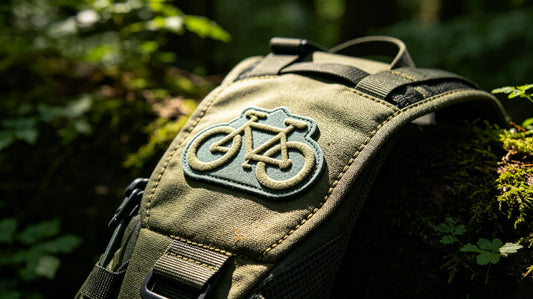
Strong surface wear resistance, not easy to scratch, suitable for backpacks, tactical vests and outdoor frequently rubbed equipment.
Part 6: Best Application Scenarios for PVC Rubber Patches
1. Outdoor & Camping Gear
Waterproof jackets, hiking backpacks, outdoor tents, moisture-proof equipment, fully adapt to humid and windy outdoor environments.
2. Tactical & Military Gear
Tactical vests, combat uniforms, morale badges, identification marks, wear-resistant and non-fading for long-term field use.
3. Sports & Waterproof Apparel
Swimsuits, surfing suits, windbreakers, ski suits and all waterproof functional clothing.
4. Daily Hard Surface Decoration
Water cups, luggage, stationery, sports equipment, flexible and not easy to fall off.
5. Long-Term Fixed Identification Patches
Enterprise equipment marks, team identification badges, public area prompt patches, long-term zero-maintenance use.

Part 7: Unsuitable Scenarios for PVC Patches
- Ultra-thin close-fitting skin-friendly clothing (slight foreign body sensation)
- Vintage retro streetwear pursuing thread stitching texture
- Super high-precision micro-text logo below 1mm
- Super soft casual home clothing requiring zero sense of presence
Part 8: PVC Patch Daily Maintenance Tips
- Wipe dirty surface directly with wet towel, no need for soaking washing
- Avoid sharp blade scratching the rubber surface to prevent local damage
- Avoid long-term high-temperature ironing to prevent rubber aging
- Store in ventilated place, avoid long-term closed humid storage
- Do not pull the patch edge violently to extend service life
Final Summary Core Rule
PVC rubber patches are waterproof, wear-resistant, UV-resistant and easy to clean, best for outdoor, tactical, waterproof clothing and long-term durable identification scenarios. They lack textile stitching texture and are not suitable for vintage styles and ultra-thin close-fitting clothes. Choose 2D flat for simple logos and 3D raised for decorative high-grade patches.

Frequently Asked Questions
Q1: Are PVC rubber patches waterproof?
A: Yes, 100% waterproof, fully resistant to rain soaking and water washing.
Q2: Do PVC patches fade easily?
A: No, high anti-UV raw materials ensure no fading after years of outdoor use.
Q3: Are PVC patches softer than embroidery patches?
A: More flexible and bendable, but slightly harder than ultra-thin woven patches.
Q4: Can PVC patches be machine washed?
A: Yes, support repeated machine washing without peeling or deformation.
Tags:
Previous
Embroidered vs Woven Patches | Key Differences, Quality Comparison & How to Choose
Next
Silicone vs PVC Patches | Full Material Comparison, Durability, Softness & Best Use Cases