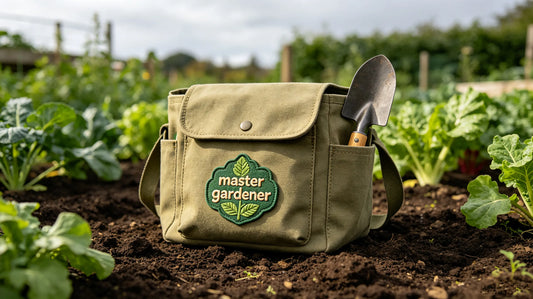
How To Start A Small Custom Patch Resale Business | Sourcing, Pricing & Sales Channel Full Startup Guide
Custom patch resale has become a popular low-entry startup option thanks to low initial startup capital, compact storage space requirement and stable market demand from hobbyists, club organizers, apparel DIY lovers and souvenir shoppers. Many novice resellers fail in early operation due to improper supplier selection, unreasonable markup pricing or wrong channel positioning leading slow inventory turnover and capital loss.
This all-around startup manual covers supplier sourcing rules, scientific pricing calculation logic, high-efficiency online/offline sales channels and practical inventory control methods for patch retail beginners. Custom 3D embroidered patches provides flexible small wholesale trial order and reseller exclusive discount to support new startup patch merchants.

Step1: Proper Wholesale Sourcing Strategies For New Resellers
1. Trial Small Batch Pre-Made Stock First (Best For Complete Newbies)
Start with ready blank patches and hot-selling in-stock finished themed patches including tactical morale, biker, travel souvenir series without upfront custom design cost; minimum trial order reduces startup capital risk, test local market sales feedback before large-volume stocking. Avoid first bulk investment on fully exclusive customized designs with unknown market acceptance.
2. Custom Small-Batch Private Label After Stable Sales
Once certain design gains steady repeat order, place small custom batch with own brand logo on patch back or custom packaging to build differentiated product and raise profit margin. Cooperate with supplier supporting low-MOQ customization to avoid overstock pressure.
3. Source Split Tip: Mix Hot-Seller Stock + Niche Limited Custom
70% mainstream best-selling ready stock for stable daily turnover, 30% niche exclusive custom patches for high-margin profit and competitive advantage vs generic competitors.

Step2: Scientific Pricing Formula & Profit Margin Standard
Universal Retail Pricing Formula
Final Selling Price = Wholesale Unit Cost × Markup Multiplier + Packaging + Shipping Allocation Fee
- Offline physical store/flea market: 2.8~3.5 times cost markup (higher overhead including stall rent and labor)
- Online social media & marketplace sales: 2~2.6 times cost markup (lower operating expense)
- Bundle set pricing: Combine 3~5pcs same-theme patches into one set, overall bundle discount 10% vs single separate purchase to lift per-transaction average order value.
Reference Profit Margin Benchmark
Conventional patch retail gross margin keeps between 55%~72% under standard markup range, reasonably adjustable based on local consumption level and niche product rarity. Limited-edition exclusive custom patches can raise markup to 4 times original cost for premium profit.

Step3: High Conversion Online & Offline Sales Channels Classification
Online Sales Channels
- Social Media Content Sales: Share patch wearing DIY, gear matching short videos on mainstream platforms to attract targeted buyers, suitable for beginner zero-rent startup.
- Global Marketplace Listing: Upload detailed product photos and descriptions on cross-border or local e-commerce platforms for passive long-term order intake.
- Private Community & Hobby Group: Enter motorcycle club, tactical enthusiast, craft DIY fan groups to launch targeted patch promotion matching group preference.
Offline Sales Channels
- Weekend Flea & Craft Market: Low-cost short-term stall rental for face-to-face retail, fast test local popular patch styles.
- Local Boutique & Hobby Store Consignment: Place patch inventory inside existing gift/craft shop for consignment split-profit cooperation without own store rent.
- Event On-Site Pop-Up: Set temporary booth at music festivals, outdoor camping gatherings and sports tournaments for high-flow impulse souvenir sales.

Step4: Low-Risk Inventory Management For Small Resellers
- Classify Inventory By Turnover Speed: Fast-selling mainstream patches keep moderate safety stock; slow-moving niche design limit stock quantity under 30pcs per style.
- Regular Monthly Sales Data Summary: Count best-selling top10 designs and increase next replenishment volume accordingly, cut restock of long-term unsold styles.
- Clear Slow Stock Via Bundle Promotion: Combine slow-selling patches with hot items into discount bundle to release occupied storage capital timely.
Step5: Practical New Seller Cost-Saving Operation Tips
- Merge multiple small replenishment orders into one consolidated bulk shipment to reduce average international shipping expense per piece.
- Choose basic polybag default packing for wholesale inbound to cut supplier extra packaging cost, do customized retail packing locally by self after goods arrive.
- Prioritize versatile 5~7cm regular-size mainstream patches in initial stocking to cover most market demand and reduce slow inventory risk.

Common Startup Mistakes New Patch Resellers Need To Avoid
- Huge first bulk order on untested exclusive custom designs resulting massive unsalable overstock.
- Excessively low markup leading insufficient profit to cover packing, shipping and stall overhead expense.
- Blindly stock oversized niche irregular-shaped patches with narrow customer group and low market turnover.
Final Summary Core Rule
Start small ready stock trial → analyze sales data → gradually add exclusive custom; tiered markup pricing + multi-channel mixed online&offline sales + strict stock control = steady profitable patch resale business.
Test market feedback with low initial investment before expanding order scale step by step.
Frequently Asked Questions
Q1: How should new patch resellers start sourcing to minimize risk?
A: Begin with small trial order of ready-made in-stock patches instead of large exclusive custom bulk.
Q2: What’s common markup range for online patch retail pricing?
A: Standard online markup is 2~2.6 times original wholesale cost for healthy gross profit.
Q3: Which offline channel is most cost-effective for startup beginners?
A: Weekend flea market pop-up stall owns low startup cost and fast market test efficiency.
Q4: How to handle unsold slow-moving patch inventory?
A: Mix slow SKU with hot-selling patches into discounted retail bundle to clear inventory quickly.
Tags:
Previous
Custom Patch Export & Customs Declaration Guide | International Shipment Docs, Duty Tips & Tax Saving Advice
Next
Top 10 Most Popular Custom Patch Trends In Recent Years | Hot Design Themes & Craft Preferences