Tactical & Morale 3D Puff Patches: Design Ideas, Styles & Tactical Gear Guide
In the tactical culture community, morale patches are not merely decorative accessories. They carry personal beliefs, team spirits, unique attitudes and group identities. Combined with three-dimensional craftsmanship, 3D puff embroidered patches become the mainstream choice for tactical gear due to their firm stitching, outstanding stereo sense and strong wear resistance.
Different from daily fashion patches, tactical and morale patches have exclusive design languages, fixed color systems and usage habits. Most tactical enthusiasts prefer removable velcro patches to freely combine and replace patterns according to scenarios and moods. From tactical vests, combat backpacks, tactical caps to outdoor functional clothing, morale patches have formed a unique subculture.
This professional guide fully sorts out classic tactical design elements, mainstream styles, military color schemes, standard sizes, backing selection and gear matching rules. It is suitable for tactical gear sellers, group custom orders and enthusiasts who pursue personalized tactical styles. Reliable custom 3D embroidered patches provides professional customized services for all kinds of tactical and morale patches.

Why 3D Puff Patches Are The Top Choice for Tactical Gear
1. Excellent Abrasion & Tear Resistance
Tactical activities are accompanied by frequent friction, collision and outdoor exposure. Thickened embroidery threads and reinforced merrow edges of 3D puff patches effectively prevent thread shedding and damage, adapting to harsh use environments.
2. Prominent Three-Dimensional Texture
The raised 3D structure makes patterns such as symbols, animals and emblems more three-dimensional and powerful. It presents a tough visual effect that flat embroidery cannot match, fitting the temperament of tactical culture.
3. Perfect Match with Velcro System
Most tactical gear is pre-installed with velcro panels. 3D puff patches with velcro backing can be firmly attached, disassembled and replaced repeatedly, which is in line with the usage habit of tactical enthusiasts.
4. Rich Customization Space
Support custom team logos, exclusive slogans, symbolic patterns and personalized morale texts. Each customized patch can express unique personality and team attributes.
5. Lightweight & Non-Intrusive
Even with three-dimensional foam, the overall weight is controlled within a reasonable range. It will not increase the burden of gear or affect movement during activities.
Classic Core Design Elements of Tactical Morale Patches
These classic elements run through almost all tactical patch designs and are deeply loved by the community.
1. Military Symbol Elements
Including military ranks, insignias, national emblems, tactical compasses, crosshair patterns and shield outlines. Such elements have strong professional attributes and are the most basic symbols of tactical style.
2. Totem & Animal Elements
Wolf, eagle, snake, bear and other fierce animals are widely used. They symbolize courage, perseverance and combat effectiveness, and are often made into large stereo 3D patterns.
3. Skull & Retro Warrior Elements
Classic skull patterns, helmet silhouettes and warrior totems. With tough lines and dark tones, they convey a fearless attitude and are popular in personalized morale designs.
4. Slogan & Text Elements
Concise powerful English slogans, mottos, team codes and abbreviations. Usually adopt bold block tactical fonts, with high recognition and strong expressive power.
5. Camouflage & Geometric Patterns
Camouflage texture, polygonal frames, tactical lines and camouflage color blocks. Integrate with outdoor concealment functions, suitable for field tactical equipment.

5 Mainstream Styles of Tactical 3D Puff Patches
1. Traditional Military Emblem Style
Strictly follow military design norms, with regular shapes such as circles, shields and rectangles. The color is mainly classic military colors, the layout is rigorous, and the style is solemn. It is suitable for official teams, clubs and group identity marks.
2. Personal Morale Fun Style
Break traditional constraints, with interesting slogans, funny patterns and creative combinations. The style is relaxed and personalized, mainly used for personal gear decoration and self-expression.
3. Tough Dark Tactical Style
Mainly in pure black, dark gray and dark green. The lines are sharp and the tone is low-key and cold. It is the most popular style among senior tactical enthusiasts, full of a sense of mystery and sharpness.
4. Vintage Battle Commemoration Style
Adopt faded military tones and old texture designs, matching retro fonts and classic combat patterns. Record historical stories and combat memories, with high collection value.
5. Outdoor Tactical Hybrid Style
Combine tactical elements with outdoor hiking and camping styles. Add natural elements on the basis of military colors, suitable for cross-scene use of field exploration and tactical activities.
Exclusive Color Matching System for Tactical Patches
Tactical patches have a relatively fixed color system, and random color matching will deviate from the style positioning.
1. Classic Military Basic Tones (Universal)
Main colors: Army green, coyote brown, khaki, olive drab
Features: Fit military and field styles, low visibility in outdoor environment, the most mainstream color combination for tactical gear.
2. Dark Functional Tones (Hot for Personal Use)
Main colors: Pure black, charcoal gray, navy blue
Features: Low-key, tough and versatile, suitable for daily tactical vests, backpacks and urban tactical outfits.
3. Camouflage Series Tones
Main colors: Jungle camouflage, desert camouflage, digital camouflage color blocks
Features: Practical concealment function, integrated with field equipment, favored by field activity lovers.
4. Accent Color Decoration
Use a small amount of red, orange and fluorescent green as partial embellishment. Bright colors play a warning and highlighting role, and are often used for key text and small symbols. Note that the proportion of accent colors should not exceed 15%.

Standard Size Reference for Tactical Patches
Tactical gear has unified velcro panel specifications, and patch sizes follow industry common standards.
- Universal standard patch: 5cm × 8cm / 7cm × 7cm square, suitable for most tactical vest main panels
- Square mini morale patch: 4cm × 4cm, used for scattered decoration on backpacks and hat sides
- Vertical long strip patch: 3.5cm × 9cm, specially for slogan and text patterns
- Round emblem patch: 4.5cm – 6cm in diameter, classic shape for team emblems and symbols
- Hat tactical patch: 3cm – 4.5cm, matching the front and side of tactical caps
Backing Selection: Velcro Is The Absolute First Choice
1. Hook & Loop Velcro Backing (Recommended for All Tactical Gear)
Almost all tactical vests, backpacks and tactical hats are pre-installed with loop surfaces. Patches with hook velcro backing can be attached firmly, disassembled and combined at will. Users can match different patches according to activities, seasons and moods, with extremely high playability. It is also convenient for collection and replacement.
2. Sew-On Backing
Suitable for fixed identity emblems that do not need to be replaced. After sewing, it is permanently fixed with the strongest durability, mostly used for team fixed marks.
3. Iron-On Backing
Rarely used in tactical scenarios. Hot melt glue is easy to fall off after long-term outdoor friction and washing, so it is not recommended for tactical equipment.

Gear Matching & Layout Rules
1. Tactical Vest
The largest application scenario. Arrange 1–2 large main patches on the chest central panel, and match multiple small mini patches on the shoulders, abdomen and back. Pay attention to layered layout, avoid dense stacking that affects movement.
2. Tactical Backpack
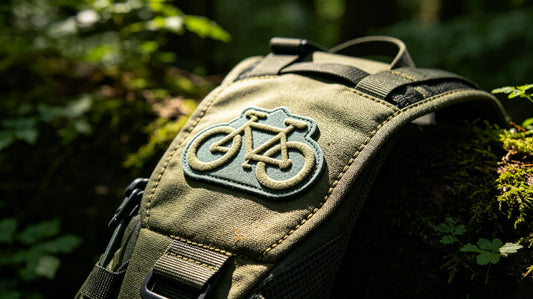
Place large standard patches on the front main velcro area, and distribute small morale patches on the side pockets and shoulder straps. The combination of one large and several small ones has the best visual effect.
3. Tactical Cap
Use round or square mini patches on the front; long strip text patches on the side. Keep the overall style unified, and do not use oversized patches to avoid affecting wearing.
4. Tactical Jacket
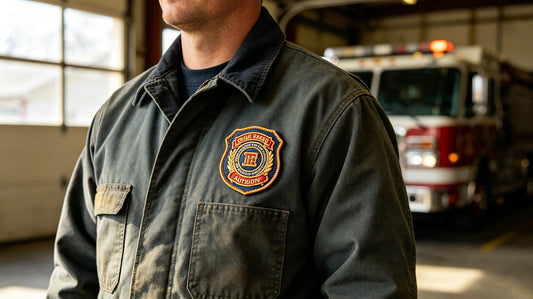
Arrange small emblem patches on the sleeves and chest. Choose medium-thickness 3D puff to prevent bulging and affect limb movement.
Design & Craft Optimization Tips
1. Control 3D Puff Thickness
Medium thickness is the best choice. Ultra-thick foam is easy to be squeezed and deformed during equipment storage and strenuous activities; too thin will lose the three-dimensional tough feeling.
2. Font Selection Rules
For tactical slogans and texts, choose bold block tactical fonts, sports block fonts. Avoid thin cursive and fancy artistic fonts to ensure clear recognition in field environments.
3. Simplify Complex Details
Field use requires high visibility. Too many tiny patterns and hollow details will become blurred after friction and dust coverage. Simplify redundant decorations and highlight core patterns.
4. Edge Reinforcement
All tactical patches are recommended to use merrow overlock edges to enhance friction resistance and extend service life.

Common Custom Mistakes to Avoid
- Using too many bright gaudy colors, breaking the low-key and tough tactical style
- Choosing iron-on backing for tactical gear, leading to easy peeling after friction
- Excessively thick 3D puff, causing deformation after extrusion
- Overly complex tiny details, resulting in unclear patterns in field use
- Mismatched size with velcro panel, unable to fit normally
Final Tactical & Morale Patch Summary
Tactical and morale 3D puff embroidered patches are an important part of tactical culture. Its tough texture, practical performance and rich personalized expression make it deeply popular among enthusiasts and teams.
When customizing, take velcro backing as the main option, follow classic military color systems and standard sizes, and match tough design elements and bold fonts. Reasonable layout on tactical vests, backpacks and hats can not only meet the decorative demand, but also show personal attitude and team identity.
For merchants and custom customers, tactical morale patches belong to a stable niche market with strong user stickiness. Grasping style characteristics and craft standards can create high-quality products that meet the needs of the tactical community.
Frequently Asked Questions
Q1: What backing is the most used for tactical morale patches?
A: Velcro hook and loop backing is the standard configuration.
Q2: What are the mainstream colors for tactical patches?
A: Army green, coyote brown, black and khaki are the most classic.
Q3: What is the most common size for tactical vest patches?
A: 7cm square and 5cm×8cm rectangle are universal sizes.
Q4: Can tactical patches be used outdoors for a long time?
A: Yes, reinforced edges and colorfast threads adapt to outdoor complex environments.
Tags:
Previous
Hat & Cap 3D Puff Patches: Size, Placement & Design Guide for All Headwear
Next
Iron On vs Sew On vs Velcro Patches: Ultimate Backing Type Comparison Guide