Custom Velcro Backed Patches Guide: Replacement, Craft Options & Usage Tips
Velcro (hook & loop) patches consist of two matching parts: the patch’s rear side glued with rigid hook fabric, and separate soft loop fabric which gets pre-sewn onto garments, vests, hats or bags. The hook and loop interlock tightly when pressed together while allowing quick peeling and replacement anytime. This unique detachable property makes velcro patches the undisputed mainstream choice for tactical morale patches, multi-event team uniforms and hobby collectibles.
Many users struggle with loose adhesion, lint buildup and wrong loop fabric installation. This detailed guide explains structural principle, applicable patch crafts, installation methods, maintenance hacks and proper applicable scenarios. Custom 3D embroidered patches provides hook velcro backing for embroidery, PVC and woven patch customization.

Basic Hook & Loop Structure Introduction
- Hook Side (Fixed on Patches): Hard plastic micro hooks coated onto fabric base, permanently bonded to patch reverse during production, cannot be separated from the patch itself.
- Loop Side (Base on Garments/Gear): Soft fuzzy loop textile that users sew onto target positions beforehand. All velcro patches of matching width can freely attach on the same loop surface.
Compatible Patch Crafts for Velcro Backing
Highly Recommended Options
- PVC Rubber Patches: Top pick for tactical morale; rigid rubber base bonds firmly with hook fabric without warping, widely used in outdoor gear.
- Flat Embroidered Patches: Stable fabric substrate for hook lamination, classic for club and team interchangeable emblems.
- Woven Patches: Ultra-thin lightweight velcro variants ideal for mini hat and collar detachable labels.
Not Ideal Choice
3D Puff Embroidery: Thick inner foam may deform under long-term extrusion after repeated pasting/peeling; limited use only for small-sized puff patches.

Two Common Ways to Install Loop Base Fabric
1. Sew-On Loop Tape (Most Durable Standard)
Cut loop fabric into needed shape/size then stitch along edge onto vest, jacket, hat or backpack; withstand countless washing and long-term outdoor friction, industry standard for tactical apparel.
2. Iron-On Loop Tape (Temporary DIY Only)
Heat-activated glue on loop back for quick home iron fixation, only fit lightweight non-frequent wash items; adhesive fails easily after repeated laundry, unsuitable for heavy-use tactical equipment.
Core Advantages of Velcro Patches
- Unlimited Free Replacement: Swap different themed patches daily according to mood, activity or event without damaging clothing fabric.
- Easy Separate Cleaning: Take all patches off before garment washing to prevent hook from scratching fabric or catching threads inside washer.
- Reusable Long Term: One pre-sewn loop panel supports dozens of different matching patches, saving repeated custom costs for new outfits.
- No Permanent Garment Modification: Avoid irreversible stitching or hot iron damage on premium leather and high-end apparel.

Main Disadvantages
- Loop fabric wears gradually after thousands of attach-peel cycles; fuzzy loops flatten leading to weaker bonding over years.
- Exposed hook side easily catches lint, hair and fabric fluff, lowering adhesive tightness if not cleaned regularly.
- Extra cost for separate loop fabric purchase and sewing compared with sew-on/iron-on single-piece backing.
Regular Maintenance To Keep Strong Adhesion
- Clear Hook Lint: Use small toothbrush or lint roller to brush debris out from hook gaps every 2~3 weeks; accumulated fluff is the top cause of weak sticking.
- Protect Loop Base: Avoid long-time soaking loop fabric in strong detergent; excessive chemical erosion speeds up loop fiber aging and flattening.
- Storage Tip: Stack velcro patches with hook side facing inward to prevent hooking onto other fabrics during storage.

Best Suitable Application Scenarios
Prioritize Velcro For These Uses
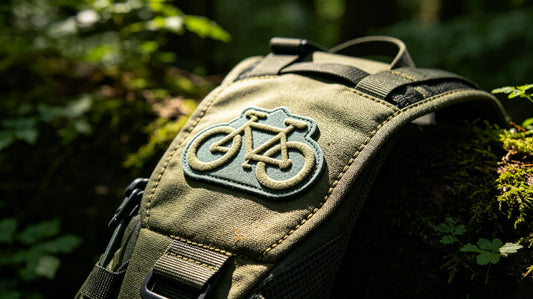
- Tactical vests, combat gear and outdoor hiking backpacks for morale patch collection and daily collocation.
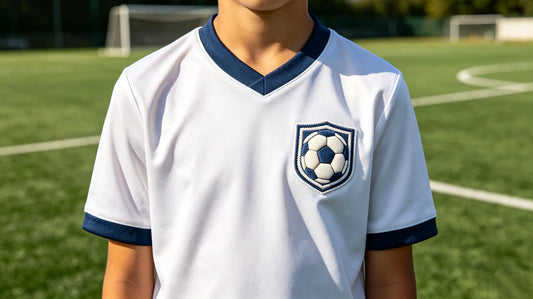
- Multi-league sports teams switching event/league badges for different tournaments without remaking uniforms.
- Tactical baseball caps and bucket hats for hobbyists who like frequent style matching changes.
- Collectors building patch display boards; loop covered display panels for convenient patch arrangement and exchange.
- Seasonal volunteer groups with short-cycle activities, reuse base loop clothes with newly customized event patches every campaign.
Scenarios Better With Other Backings
Long-term fixed formal business uniforms and leather biker vests for permanent decoration choose sew-on; casual one-off DIY decoration picks cost-effective iron-on.
Common Custom & Usage Mistakes To Avoid
- Using iron-on loop tape on workwear requiring weekly machine washing, leading loop to peel off within several clean cycles.
- Applying oversized heavy patches on narrow hat loop strips, causing poor adhesion and easy dropping during outdoor activities.
- Ignoring regular lint cleaning leading gradual weak adhesion and unexpected patch falling off outdoors.
- Customizing large 3D puff velcro patches prone to foam collapse under repeated pressing and pulling.

Final Summary
Velcro patch core feature: detachable interchange design, separate cleaning & unlimited style swap.
Select velcro backing if you need frequent patch replacement and multi-scene reuse; opt for sew-on/iron-on for permanently fixed emblems. Regular lint maintenance greatly extends the service life of hook & loop system.
Frequently Asked Questions
Q1: Can velcro patches be washed separately from clothes?
A: Yes, peel all patches off first then clean garment alone to protect both fabric and velcro.
Q2: Which craft is most common for velcro morale patches?
A: Soft PVC rubber patches are the dominant option for tactical velcro morale styles.
Q3: Can loop fabric be ironed onto tactical vests?
A: Not recommended; sew-on loop is the only durable choice for heavy-use tactical gear.
Q4: Why do velcro patches lose sticking power over time?
A: Lint buildup in hook teeth and flattened loop fibers are the two primary causes.
Tags:
Previous
Custom Sew On Patches Guide: Benefits, Sewing Tips & Best Usage Scenarios
Next
3D Puff Embroidery Patches Guide: Features, Design Rules & Suitable Uses