Velcro vs Iron-On vs Sew-On Patches: Full Comparison for Tactical & Daily Use
When ordering custom 3D puff embroidered patches, backing type determines installation method, durability, wearing comfort and applicable scenarios more than most customers realize. Velcro, iron-on, and sew-on are the three dominant backing types in the patch industry, and each has unique strengths and limitations.
Many customers choose backing randomly, resulting in patches peeling after washing, failing to fit special fabrics, or lacking flexibility for style replacement. For tactical gear, daily apparel, uniforms, kid clothes and gift merchandise, the ideal backing type is completely different.
This ultimate three-way comparison guide analyzes durability, installation difficulty, fabric compatibility, comfort, cost and ideal use cases in full detail. By the end, you will know exactly which backing is perfect for your custom patch project. Reliable custom 3D embroidered patches provides all three backing options to match any usage environment.
Basic Definition of Three Core Backing Types
Before comparison, clarify the structural features of each backing to avoid selection confusion:
1. Velcro Backing (Hook & Loop)
The patch is attached with industrial hook velcro on the back. It needs matching loop fabric surface for attachment. It supports free disassembly, replacement and combination at any time.
2. Iron-On Backing (Hot Melt Glue)
The back is coated with uniform hot melt adhesive. Through heat pressing, the glue melts and bonds firmly with fabric. It is fixed directly without sewing or tools.
3. Sew-On Backing (Plain Fabric)
The patch has a soft blank fabric backing with no adhesive or velcro. It relies on manual or machine stitching for permanent fixation. It is the most traditional and stable backing craft.

Core Dimension Full Comparison
1. Installation Difficulty & Speed
Iron-On (Easiest & Fastest)
No tools or skills required. Complete installation in 1–2 minutes with a household iron or heat press. Perfect for fast batch DIY installation.
Velcro (Easy & Tool-Free)
No heat or sewing needed. Simply stick and replace manually. Installation is instant, but requires loop fabric base.
Sew-On (Most Time-Consuming)
Requires needle and thread or sewing machine. Needs manual stitching along edges, taking several minutes per patch. Not suitable for fast batch installation.
2. Durability & Washing Resistance
Sew-On (Most Durable, Permanent)
Stitched patches will never peel off. They withstand unlimited machine washes, strong friction and outdoor exposure, achieving lifelong service life.
Iron-On (Medium Durability)
High-quality glue withstands 10–20 gentle washes. Edges may lift after long-term high-temperature washing or violent friction.
Velcro (Moderate Durability)
The velcro itself is extremely durable, but frequent disassembly will gradually reduce adhesion. Not easy to damage, but not permanently fixed.

3. Fabric Compatibility
Sew-On (Full Compatibility)
Works on all fabrics: leather, waterproof cloth, velvet, ultra-thin elastic fabric, high-temperature sensitive materials and all thick garments.
Velcro (Wide Compatibility)
Can be used on any items with loop surfaces or pre-sewn loop bases. Widely used on tactical gear, bags, hats and uniforms.
Iron-On (Limited Compatibility)
Only suitable for heat-resistant fabrics. Cannot be used on leather, waterproof coating, velvet, plastic and low-temperature resistant materials.
4. Wearing Comfort
Iron-On (Most Comfortable & Flat)
After hot pressing, the patch fits tightly with clothes with flat back surface, no raised foreign body feeling, clean and smooth.
Sew-On (Slightly Stiff)
Stitching lines leave slight raised traces on the reverse side, which may cause subtle discomfort on close-fitting clothes.
Velcro (Least Comfortable)
Velcro hook surface is rough and hard, not suitable for direct close-fitting wearing, mainly for outerwear and gear.
5. Appearance Neatness
Iron-On (Cleanest Appearance)
No stitching traces on front and back, completely restoring the original 3D patch design effect.
Velcro (Neat But Functional)
No stitching marks, but the backing is functional and not invisible.
Sew-On (Visible Stitching)
Circle stitching around the edge is visible, slightly affecting minimalist visual effect.

6. Flexibility & Replaceability
Velcro (Most Flexible)
Support random replacement, combination and position adjustment. Ideal for users who like frequent style changes.
Iron-On (Fixed)
Once pasted, it cannot be removed without damaging clothes.
Sew-On (Permanent Fixed)
Hard to remove, belongs to permanent decoration.
Best Usage Scenarios for Each Backing Type
Choose Velcro Backing If:
- You need removable and replaceable patches
- Custom tactical morale patches, military style patches
- Outdoor gear, vests, backpacks, tactical uniforms
- Event temporary patches, exchangeable team marks
- Collectors who like to switch patch combinations frequently
Choose Iron-On Backing If:
- You need fast DIY installation with zero cost
- Daily casual hoodies, denim jackets, hats and bags
- Seasonal limited merch, short-term event costumes
- Personal DIY decoration, clean minimalist outfit upgrade
- Bulk retail products requiring simple assembly
Choose Sew-On Backing If:
- You need permanent fixation and ultimate durability
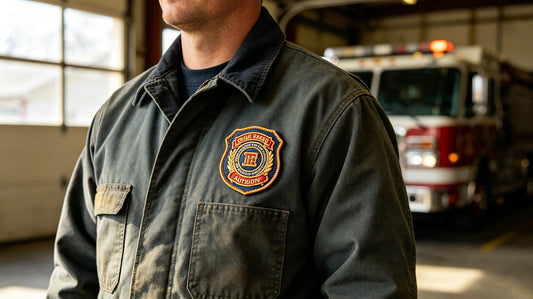
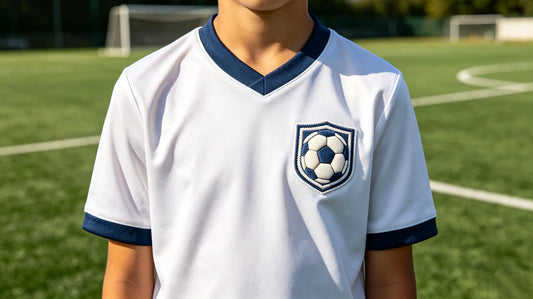
- School uniforms, corporate work uniforms, sports team jerseys
- High-frequency washing clothing, workwear and outdoor apparel
- Special fabrics that cannot withstand high temperature
- High-value long-term wearing garments

Common Selection Mistakes to Avoid
Mistake 1: Using Velcro for Close-Fitting Clothes
Velcro backing is rough and will rub against skin, causing discomfort and even scratching. Never use on inner wear.
Mistake 2: Using Iron-On for Frequent Washing Uniforms
Iron-on patches will peel off after repeated industrial washing, causing batch quality problems.
Mistake 3: Using Sew-On for Fashion Retail Merch
Visible stitching reduces product appearance grade and increases manual assembly cost, reducing profit margin.
Mistake 4: Blindly Choosing One Backing for All Projects
Different products require different backings. Unified backing will lead to either insufficient durability or wasted cost.
Professional Mixed Matching Skills
For higher-quality custom projects, you can adopt mixed strategies:
- Iron-on + hand stitch reinforcement: Combine fast installation and permanent durability.
- Velcro for event patches + sew-on for daily uniform patches: Distinguish usage scenarios flexibly.
- Sew-on for high-wear areas + iron-on for decorative areas: Balance durability and appearance.

Final Backing Selection Summary
- Velcro = Removable, flexible, tactical & collection use
- Iron-On = Easy, fast, clean, daily fashion & retail merch
- Sew-On = Permanent, durable, uniform & high-frequency washing use
Understanding the three backing characteristics allows you to match the most suitable solution according to product positioning, usage frequency and wearing environment, completely avoiding peeling, discomfort and unqualified appearance problems.
Frequently Asked Questions
Q1: Which patch backing is the most durable?
A: Sew-on backing provides permanent fixation and the strongest durability.
Q2: Which backing is best for daily hoodies?
A: Iron-on backing is the best choice for flat, neat and comfortable daily wear.
Q3: Are velcro patches reusable?
A: Yes, velcro patches can be removed and replaced countless times.
Q4: Can iron-on patches be used on leather?
A: No, high temperature will damage leather surface, only sew-on is available.
Tags:
Previous
Top 10 Trendy 3D Puff Patch Styles in 2026 | Latest Design & Market Trends
Next
How to Start a Custom 3D Puff Patch Business: Complete Beginner’s Guide