Velcro Patches Guide: Benefits, Installation & Reusable Usage Tips
Velcro patches, also known as hook and loop patches, are fitted with a two-part removable backing system. One side is the tough hook surface attached to the patch, and the matching loop fabric is fixed onto garments, gear or accessories. This design allows users to stick, remove and swap patches freely anytime.
Thanks to excellent reusability and flexibility, velcro patches are widely favored by tactical enthusiasts, outdoor lovers, student clubs and team groups. Many users are unfamiliar with correct installation, matching rules and daily maintenance, which may cause weak adhesion or premature wear. This guide explains the structure, pros, installation steps, applicable scenarios and upkeep tips for velcro patches. Custom 3D embroidered patches offers durable velcro patches for tactical gear, uniforms and daily matching.
Basic Structure of Velcro Patches
A complete velcro patch set includes two parts:
- Hook side: Stuck to the back of the custom patch, covered with tiny hard plastic hooks. It is integrated with the patch permanently.
- Loop side: Soft fabric surface that needs to be sewn or glued onto clothes, vests, hats and bags. It acts as the base for patches to attach.
When pressed together, hooks and loops interlock tightly for firm fixation. A gentle pull separates them easily without leaving residues or damaging the carrier surface. Most patch crafts can be matched with velcro backing, including embroidery, 3D puff, woven and PVC patches.

Core Advantages of Velcro Patches
1. Fully Removable & Reusable
The biggest highlight. You can change patch styles, themes or team logos according to occasions, moods or activities. One base panel supports dozens of different patches, greatly improving flexibility.
2. No Damage to Fabrics
Unlike sewing or ironing, velcro will not leave pinholes, adhesive marks or heat damage on clothing and gear. It is friendly to high-value equipment and frequently updated outfits.
3. Strong Holding Power
Well-made velcro stays attached firmly during walking, running and outdoor activities. It resists shaking and light pulling, suitable for sports and tactical scenes.
4. Easy Cleaning
Remove all patches first before washing garments or gear. Clean patches and fabrics separately, avoiding thread tangling or adhesive failure during machine washing.
5. Ideal for Multi-Identity Groups
Students joining multiple clubs, staff with different job roles or teams with seasonal activities can switch patches quickly to show different identities.
Minor Limitations
- Extra cost: Need to prepare matching loop panels besides patches.
- Not completely invisible: The loop base will stay on the fabric permanently.
- Easy to catch lint: The hook side may stick to hair, lint and loose threads after long use.
- Not suitable for ultra-thin close-fitting clothes: Velcro adds slight thickness.

Step-by-Step Installation Methods
Method 1: Sew On Loop Panels (Most Durable, Recommended)
- Cut the loop fabric into proper size according to patch dimensions, leave 0.5cm margin on four sides.
- Place the loop panel on the target position of clothes, vests or bags, flatten and fix temporarily.
- Use a sewing machine or hand stitch along the four edges of the loop panel.
- After the thread is fixed and cooled, press the velcro patch onto the loop surface to complete installation.
Method 2: Self-Adhesive Loop Panels (Temporary Use)
- Clean and dry the target surface, remove dust and grease.
- Peel off the protective film on the back of adhesive loop panel.
- Align and stick the panel firmly, press evenly for 30 seconds.
- Leave it for 24 hours to let the adhesive fully set before attaching patches.
Note: Adhesive loop panels are only for short-term use, not suitable for frequent washing or outdoor high-friction scenes.
Best Application Scenarios
1. Tactical Gear & Outdoor Equipment
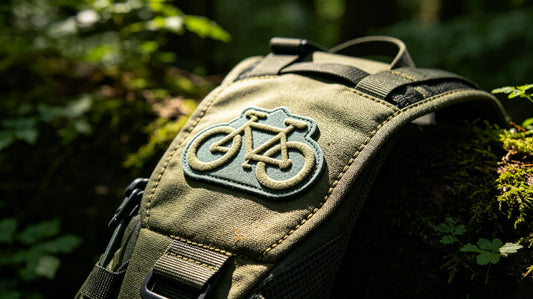
Tactical vests, combat uniforms, hiking backpacks and outdoor hats are the most classic uses. Velcro patches allow users to swap morale patches, unit logos and activity badges freely.
2. Team & Group Uniforms
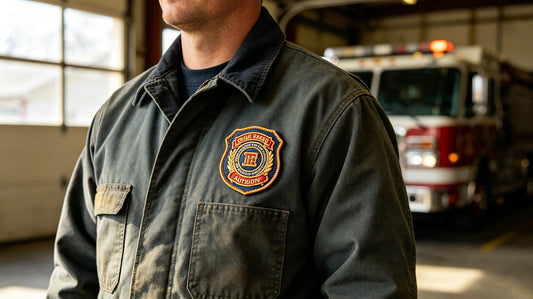
Amateur sports teams, volunteer groups and activity teams can use unified loop bases and exchange different patches for different events. It saves cost compared to remaking full sets of uniforms.
3. Student Clubs & Campus Activities
Students in multiple clubs only need one set of uniforms or school bags, and switch velcro club patches as needed. It is convenient and keeps the campus outfit neat.
4. Hats & Casual Accessories
Baseball caps, bucket hats and large backpacks are perfect for velcro patches. Users can match different styles daily to create personalized looks.
5. Event & Carnival Supplies
Short-term festivals, camps and competitions use velcro patches for quick distribution and recycling. Patches can be reused in subsequent activities.
Not Recommended Scenarios
- Ultra-thin shirts, silk fabrics and delicate textiles
- Positions with long-term strong friction such as trouser knees and shoe soles
- Formal business uniforms that pursue minimalist and integrated appearance

Daily Maintenance & Care Tips
For Velcro Patches
- Regularly clean lint and hair on the hook side with a small brush or sticky roller, to keep adhesion strong.
- Avoid pulling the patch sideways violently for a long time, which may bend the tiny hooks.
- When storing, separate patches or put them in a dedicated bag, prevent hooks from sticking to other fabrics.
For Loop Base Panels
- Sew-on loop panels can be machine washed normally; take off patches first before washing.
- Adhesive loop panels should avoid soaking and high-temperature drying, to prevent glue peeling.
- If the loop surface is worn and fluffy after long use, replace a new panel in time.
Common Problems & Solutions
1. Patches fall off easily
Cause: Too much lint on hook surface, or loop panel worn out.
Solution: Clean the hook side thoroughly; replace aging loop panels.
2. Adhesive loop panel peels off from fabric
Cause: Surface not clean before pasting, or frequent washing.
Solution: Re-stick after cleaning, or change to sewn loop panels for long-term use.
3. Velcro makes friction noise while wearing
Cause: Normal physical feature of hook and loop.
Solution: Choose soft low-noise velcro for daily casual wear.

Final Summary
Velcro patches are defined by removability, reusability and flexible matching.
They are the top choice for tactical gear, outdoor supplies, multi-group teams and personalized hats. Sew-on loop panels ensure long-term durability, while adhesive types fit temporary use.
Do regular cleaning for hook and loop surfaces to maintain stable adhesion. If you need frequent style switching or repeated use, velcro patches will bring great convenience beyond traditional sew-on and iron-on styles.

Frequently Asked Questions
Q1: Can velcro patches be washed?
A: Yes, remove patches first, then wash patches and loop panels separately.
Q2: Which is better, sewn or adhesive loop panels?
A: Sewn panels are more durable for long-term use; adhesive is for temporary application.
Q3: Will velcro damage hats and clothes?
A: No, it won’t leave holes or marks when removed properly.
Q4: What crafts can be made into velcro patches?
A: Embroidery, 3D puff, woven and PVC patches all support velcro backing.
Tags:
Previous
Iron On Patches Guide: Application Steps, Pros, Cons & Troubleshooting
Next
PVC Rubber Patches: Features, Design Rules & Common Uses