Backpack Patches 2026 | Ultimate Guide to Custom Patches for Rucksacks & Bags
Backpack patches are one of the most popular, affordable ways to turn a plain‑looking rucksack into a highly personal item that reflects your hobbies, travels, team identity, personality or brand. Unlike clothing, backpacks are built for heavy‑duty wear, outdoor trips, school commutes and long‑distance travel, so your custom badges need to stand up to constant friction, rain, dust and repeated handling.
Different backpack fabrics — nylon canvas, polyester, heavy‑duty cordura, leather — affect which patch material and attachment style will work best. Whether you are decorating a school backpack, hiking rucksack, tactical pack, travel duffel bag or laptop daypack, this complete guide will walk you through material choices, sizing recommendations, creative placement ideas, backing options and common pitfalls to avoid.

1. Best Patch Materials for Backpacks
Each patch material offers different levels of toughness for everyday and outdoor backpack use.
PVC Rubber Patches
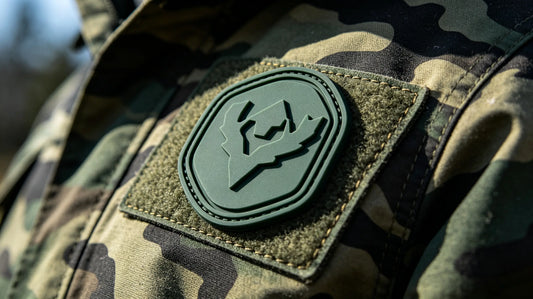
The top‑recommended choice for heavy‑use backpacks. Fully waterproof, scratch‑resistant, dustproof, and will never fray. Rubber patches hold up very well against rubbing from straps, luggage and outdoor weather conditions. Perfect for hiking, camping, tactical and travel backpacks.
Embroidered Patches
Classic, textured and tough. Stitched embroidery looks fantastic on canvas backpacks. High‑density embroidery resists wear well. Keep in mind embroidery threads can catch and snag on rough surfaces if edges are not finished properly.
Woven Patches
Low‑profile and thin. Ideal if your design includes fine, intricate details or small text. Woven patches lie flat against the backpack fabric without adding bulk, great for school‑style daypacks. They are not quite as abrasion‑resistant as PVC rubber for extreme outdoor use.
Sublimation Printed Patches
Best for full‑color, photo‑rich artwork, gradients and complex graphics. Lightweight and flexible. The printed surface will slowly wear with heavy, long‑term rubbing, so they are better suited for casual indoor‑focused backpacks rather than rough wilderness packs.
2. Recommended Backpack Patch Sizes
Backpacks feature much larger surface space than hats or jackets, giving you more freedom with patch dimensions.
- Large main front panel statement patch: 4 inch – 5 inch
- Medium‑sized decorative badges: 3 inch – 3.5 inch
- Small side‑panel patches: 2 inch – 2.5 inch
- Collection of multiple small patches for patch blanket style layout: 1.5 inch – 2.5 inch each
There is no strict standard. Always look at your backpack and measure the empty area before locking in your final patch size. Avoid oversized badges that overlap zippers, buckles, straps or pockets.

3. Popular Placement Spots on Your Backpack
Main Front Panel
The most visible location, perfect for your largest, main logo patch. This is where most people will see your badge first. Leave space away from zipper openings.
Shoulder Straps
Small‑to‑medium patches work great on shoulder straps. Make sure the patch will not rub uncomfortably against your shoulder when you carry the pack.
Side Water‑Bottle Pockets
A fun secondary spot for smaller decorative patches. Avoid placing patches right where your water bottle will constantly rub against them.
Top Lid / Carry‑Handle Area
Excellent for morale patches, name labels, or small identifying badges on tactical and hiking rucksacks.
Lower Rear Panel
A great space if you want to create a large collage collection of travel and hobby patches.
4. Attachment & Backing Options for Backpack Patches
Sew‑On
The most permanent, secure attachment method for almost all backpack fabrics. Highly recommended for canvas, nylon and cordura packs. Professional stitching ensures your badge will not fall off, even after years of heavy travel.
Hook‑and‑Loop (Velcro)
Perfect for tactical backpacks with pre‑installed loop fabric panels. Lets you swap your patches whenever you want. If your backpack does not already have loop material sewn on, you will need to add it separately.
Iron‑On Heat Seal
Iron‑on adhesive is not the top recommendation for backpacks. Most backpack fabrics are thick nylon, canvas or treated material which makes it difficult for heat glue to bond properly. Patches applied only by ironing are very likely to peel off after outdoor wear and friction. If you do use iron‑on backing, always sew around the edges for reinforcement.

5. Design Tips for Long‑Lasting Backpack Patches
- Use bold, easy‑to‑read graphics. Your patch will often be viewed from far away while you are walking.
- Avoid ultra‑tiny text that will become unreadable after rubbing and wear.
- For outdoor hiking bags, prioritize waterproof PVC rubber patches.
- If creating a patch collage, space badges slightly apart so edges do not overlap.
- Choose rounded corners instead of sharp square corners; square corners catch more easily on objects and start lifting.
6. Fabric‑Specific Advice
- Canvas backpacks: All patch materials work well, sew‑on attachment recommended ‑Nylon / Cordura tactical packs: PVC rubber + hook‑and‑loop is a classic combination ‑Leather backpacks: Embroidered or woven patches with careful hand‑sewing ‑Thin lightweight school backpacks: Low‑profile woven or sublimation patches work nicely

7. How to Care for Backpacks With Attached Patches
If you wash your backpack by hand, avoid heavy scrubbing directly over the patch surface. Hook‑and‑loop patches should be removed before washing your pack to prevent snags. Air‑dry your backpack rather than using high heat, as heat can weaken adhesive glue.
Final Thoughts
Custom backpack patches are a creative way to customize every type of bag you own. PVC rubber delivers the highest durability for outdoor, travel and heavy‑use packs, while embroidered, woven and sublimation patches offer fantastic options for casual school‑focused backpacks. Plan your patch placement carefully to avoid zippers and straps, select sew‑on backing for permanent security, and you will enjoy your personalized backpack badges for countless adventures ahead.

FAQ
Q: What is the toughest patch material for a hiking backpack?
A: PVC rubber patches are the most durable, waterproof and abrasion‑resistant choice for outdoor rucksacks.
Q: Can I iron‑on patches to a nylon backpack?
A: Iron‑on adhesive struggles to bond well with thick nylon fabric, and patches often peel. Sewing is strongly recommended.
Q: What size patch works best for the front of a backpack?
A: 4‑5 inch wide patches make great statement pieces for large front backpack panels.
Q: Can you put hook‑and‑loop morale patches on any backpack?
A: Only if the backpack has loop fabric already sewn onto it, or you add loop material yourself.
Q: Will patches catch and snag while my backpack is outdoors?
A: Patches with rounded corners reduce snag risk significantly compared to sharp‑edged square patches.
Tags:
Previous
Hat Patches 2026 | Complete Guide to Custom Patches for Baseball Caps & Hats
Next
Custom Woven Patches 2026 | Ultimate Guide to High‑Detail Low‑Profile Badges