Custom Embroidered Patch Care by Backing Type: Iron-On, Hook & Loop, Sew-On & Peel & Stick
When you order custom embroidered patches, choosing the right backing is just as important as selecting the embroidery style. Each backing type—iron-on (heat seal), hook & loop (Velcro-style), sew-on (plastic backing), and peel & stick (self-adhesive)—is designed for specific uses, fabrics, and lifestyles. And just like different embroidery styles, each backing requires tailored care to maintain its adhesion, durability, and functionality. What keeps a sew-on patch secure might damage an iron-on patch, and a hook & loop patch needs extra attention to keep its fastener working properly.
Whether you’re using patches for DIY projects, tactical gear, everyday apparel, or one-time events, understanding how to care for your patch’s backing will ensure it stays in place and lasts. This guide breaks down tailored care and usage tips for each backing type, helping you get the most out of your custom embroidered patches—no matter which backing you choose.
1. Iron-On (Heat Seal) Backing: Care for the DIY Favorite
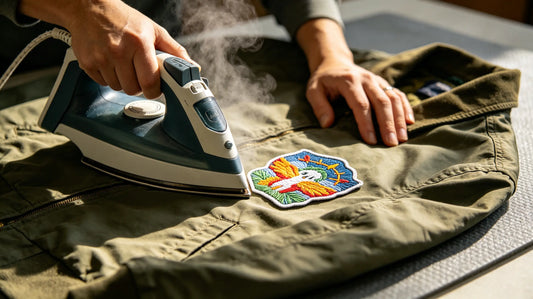
Iron-on backing is the most popular choice for DIY enthusiasts, offering quick and easy application with a standard household iron. It’s perfect for denim jackets, cotton hoodies, canvas bags, and other fabrics that can withstand heat. While convenient, iron-on backing is prone to peeling if not cared for properly, especially after repeated washes.
Care & Usage Tips: Always wash items with iron-on patches inside out on a gentle cycle in cold water—hot water can weaken the adhesive. Avoid high-heat drying; air drying is best to preserve the adhesive bond. If your iron-on patch starts to peel, place a thin cloth over it and iron on a low heat setting to reactivate the adhesive. Never iron directly on the patch’s embroidery (use a cloth barrier) to avoid damaging the threads. When you order custom patches with iron-on backing, test the heat on a small, hidden area of your fabric first to avoid scorching.

2. Hook & Loop (Velcro-Style) Backing: Maintaining the Tactical Standard
Hook & loop (Velcro-style) backing is the go-to for tactical gear, military uniforms, morale patches, and any application where patches need to be easily removed and swapped. It consists of two parts: a hook side (attached to the patch) and a loop side (attached to the garment or gear), allowing for quick changes without damaging the fabric.
Care & Usage Tips: Keep the hook and loop fasteners clean—lint, dust, and debris can weaken the bond. Use a soft brush or tape to remove lint from both sides regularly. Wash items with hook & loop patches inside out on a gentle cycle in cold water, and air dry or tumble dry on low heat. Avoid folding the patch over itself (as the hook side can damage the loop side) and keep it away from abrasive fabrics that can fray the hook fibers. When you order custom embroidered patches with hook & loop backing, replace the loop side if it becomes worn to maintain a strong hold.

3. Sew-On (Plastic Backing): Preserving Maximum Durability
Sew-on backing is the most durable and long-lasting option, offering a permanent hold that withstands heavy wear, frequent washing, and harsh conditions. It’s ideal for heavy-duty workwear, leather biker vests, frequently washed garments, and any item where you want the patch to stay in place indefinitely. The plastic backing provides stability, making it easier to sew the patch onto fabric.
Care & Usage Tips: Sew-on patches are low-maintenance—machine wash inside out on a gentle cycle in cold water, and air dry or tumble dry on low heat. The stitching may loosen over time, so check the edges periodically and reinforce with additional stitches if needed. For leather or delicate fabrics, use a needle designed for that material to avoid damaging the garment. When you order custom patches with sew-on backing, opt for a reinforced border to make sewing easier and enhance durability.

4. Peel & Stick (Self-Adhesive) Backing: Caring for Temporary Convenience
Peel & stick backing is perfect for one-time events, trade shows, promotional items, or solid surfaces like laptops, water bottles, and notebooks. It works like a sticker—no iron or sewing required—offering temporary adhesion that’s easy to remove without damaging surfaces.
Care & Usage Tips: Peel & stick patches are not designed for frequent washing or heavy wear—avoid getting them wet, as moisture will weaken the adhesive. For best results, apply the patch to a clean, dry, smooth surface. If the adhesive starts to lose its hold, replace the patch (since self-adhesive backing is not reusable). Store loose peel & stick patches in a cool, dry place to prevent the adhesive from drying out. When you order custom embroidered patches with peel & stick backing, use them for temporary applications to ensure the best performance.

5. Universal Tips for All Backing Types
While each backing type has specific care needs, these universal tips will help extend the life of your custom embroidered patches:
• Avoid harsh chemicals: Bleach, fabric softeners, and strong detergents can damage both the embroidery threads and the backing adhesive or stitching. • Protect from extreme heat: High heat (from dryers, irons, or direct sunlight) can weaken adhesives, warp plastic backings, or fade threads. • Test fabrics first: Before applying any patch, test the fabric (especially delicate or synthetic materials) to ensure it can withstand heat (for iron-on) or stitching (for sew-on). • Clean patches gently: Use a soft brush or damp cloth to remove dust—avoid scrubbing, which can damage the backing or embroidery.

6. Choosing the Right Backing for Your Needs
The best backing type depends on how you plan to use your custom embroidered patches. Here’s a quick guide to help you choose:
• Iron-on: DIY projects, casual apparel, quick application (denim, cotton, canvas). • Hook & Loop: Tactical gear, morale patches, frequent swapping (military, airsoft, team uniforms). • Sew-on: Heavy wear, permanent hold (workwear, leather, frequently washed items). • Peel & Stick: Temporary use, promotional items, solid surfaces (laptops, trade shows).
Final Thoughts
Your custom embroidered patch’s backing is just as important as its design—choosing the right backing and caring for it properly ensures your patch stays secure, functional, and looking great. Whether you prefer the convenience of iron-on, the versatility of hook & loop, the durability of sew-on, or the temporary use of peel & stick, tailored care will maximize the life of your patches.
When you’re ready to order custom embroidered patches, select the backing that best fits your usage needs, and follow the care tips in this guide to keep your patches in top condition. With the right backing and proper care, your custom patches will stand the test of time—whether you’re wearing them daily, swapping them out, or using them for a one-time event.
FAQ
Q:How do I keep iron-on patches from peeling after washing?
A:To prevent iron-on patches from peeling, wash items inside out on a gentle cycle in cold water, and air dry (avoid high-heat drying). If peeling occurs, place a thin cloth over the patch and iron on a low heat setting to reactivate the adhesive. When you order custom embroidered patches with iron-on backing, ensure you apply them correctly (follow the provider’s heat instructions) for a strong bond.
Q:Can hook & loop patches be washed multiple times?
A:Yes! Hook & loop patches are designed to withstand repeated washes. Wash items inside out on a gentle cycle in cold water, and air dry or tumble dry on low heat. Regularly clean lint and debris from the hook and loop fasteners to maintain a strong hold—this will prevent the fasteners from weakening over time.
Q:Is sew-on backing more durable than iron-on?
A:Yes, sew-on backing is the most durable option for custom patches. It offers a permanent hold that withstands heavy wear, frequent washing, and harsh conditions—making it ideal for workwear, leather, and items that are washed often. When you order custom patches for long-term use, sew-on backing is the best choice.
Q:Can peel & stick patches be reused?
A:No, peel & stick patches are designed for temporary, one-time use. The self-adhesive backing loses its stickiness once it’s removed from a surface, and it cannot be reactivated. For reusable patches, opt for hook & loop backing instead.
Q:What fabrics work best with iron-on patches?
A:Iron-on patches work best with natural fabrics like cotton, denim, and canvas—these fabrics can withstand the heat needed to activate the adhesive. Avoid using iron-on patches on synthetic fabrics (like polyester, nylon) or delicate materials (like silk, lace), as high heat can damage them. When you order custom embroidered patches with iron-on backing, check the fabric compatibility first.
Tags:
Previous
Custom Embroidered Patch Care by Embroidery Type: 2D, 3D Puff, Chenille & Metallic
Next
Common Custom Embroidered Patch Problems & How to Fix Them