Common Custom Embroidered Patch Problems & How to Fix Them
Custom embroidered patches are durable, versatile, and a great way to add personality to any item—but like any accessory, they can run into issues over time. Whether you’re dealing with a peeling iron-on patch, fraying chenille threads, fading metallic accents, or poor adhesion on a hook & loop patch, most common problems have simple, easy-to-fix solutions. Before you order custom embroidered patches, knowing how to troubleshoot these issues will help you keep your patches looking their best and extend their lifespan.
From application mistakes to wear and tear, this guide covers the most common custom patch problems, why they happen, and step-by-step solutions to fix them. We’ll address issues for all patch types—2D, 3D puff, chenille, metallic—and all backing styles, so you can resolve problems no matter what kind of patches you have.
1. Problem: Iron-On Patches Peeling or Lifting
One of the most common issues with iron-on patches is peeling or lifting at the edges, especially after washing. This usually happens due to improper application (not enough heat, uneven pressure) or incorrect care (hot water, high-heat drying).
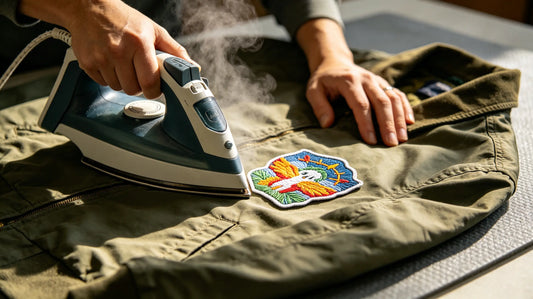
Solution: First, check if the patch is fully adhered—if only the edges are peeling, place a thin cloth over the patch and iron on a low heat setting for 10–15 seconds, applying even pressure. This reactivates the adhesive and secures the edges. For more severe peeling, remove the patch (use a fabric adhesive remover if needed) and reapply a new iron-on patch. To prevent future peeling, wash items inside out in cold water and air dry. When you order custom patches with iron-on backing, follow the provider’s application instructions closely for the best bond.

2. Problem: Fraying Edges (Chenille, 2D, & 3D Patches)
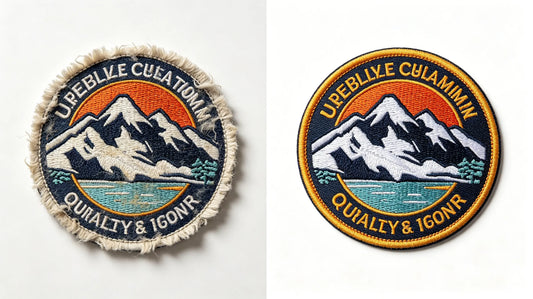
Fraying edges are common in patches with loose threads, especially chenille (with its fuzzy texture) and patches with unfinished borders. This can happen due to rough handling, frequent washing, or low-quality thread.
Solution: For minor fraying, use a small amount of clear fabric glue to seal the edges—apply a thin layer along the frayed area and let it dry completely. For more severe fraying, hand-stitch a small hem around the patch’s edge using thread that matches the patch’s color. For chenille patches, gently brush the frayed threads with a soft toothbrush to separate them before applying glue. When you order custom embroidered patches, opt for reinforced borders to minimize fraying.
3. Problem: Fading Threads (Metallic & Colorful Patches)
Fading is a common issue with metallic thread patches and bright, vibrant colored patches, often caused by prolonged exposure to direct sunlight, hot water washing, or harsh detergents.
Solution: To fix mild fading, gently wipe metallic threads with a soft, dry cloth to remove dust and restore shine. For colored patches, avoid washing in hot water or using bleach—stick to cold water and mild detergent. To prevent future fading, keep patches out of direct sunlight when not in use and air dry items instead of using a dryer. When you order custom patches, choose color-fast threads and metallic threads for long-lasting vibrancy.

4. Problem: Hook & Loop Patches Not Sticking
Hook & loop (Velcro-style) patches often lose their hold over time due to lint, dust, or debris buildup on the fasteners, or wear on the loop side attached to the garment.
Solution: First, clean the hook and loop fasteners—use a soft brush or tape to remove lint, dust, and debris from both the hook (on the patch) and loop (on the garment) sides. If the loop side is worn or frayed, replace it with a new loop tape (available at craft stores). Avoid folding the patch over itself, as the hook side can damage the loop side. When you order custom embroidered patches with hook & loop backing, choose high-quality fasteners for a longer-lasting hold.

5. Problem: Loose Stitching (All Patch Types)
Loose stitching can occur on any patch type, especially with frequent wear or washing. It can lead to fraying, thread breakage, or even the patch falling apart if not fixed promptly.
Solution: Use a needle and thread that matches the patch’s thread color to reinforce the loose stitching. Stitch along the existing stitch line, focusing on the loose areas—this will secure the threads and prevent further damage. For 3D puff patches, be careful not to stitch through the foam backing, as this can flatten the 3D texture. For large areas of loose stitching, consider taking the patch to a tailor for professional repair. When you order custom patches, choose high-quality stitching to minimize loose threads.
6. Problem: Peel & Stick Patches Losing Adhesion
Peel & stick (self-adhesive) patches are designed for temporary use, but they may lose adhesion prematurely if applied to dirty, wet, or uneven surfaces.
Solution: If a peel & stick patch is losing adhesion, remove it and clean the surface thoroughly—wipe it with a dry cloth to remove dust, dirt, and moisture. For best results, apply the patch to a clean, dry, smooth surface. Since self-adhesive backing is not reusable, replace the patch with a new one if the adhesive is no longer sticky. When you order custom embroidered patches with peel & stick backing, use them on smooth, non-porous surfaces for the longest adhesion.

7. Problem: 3D Puff Patches Flattening
3D puff patches rely on a foam backing to create their raised texture, but this foam can flatten over time due to pressure, high heat, or improper storage.
Solution: To revive a flattened 3D puff patch, gently press the patch from the back (avoid pressing the front) to refluff the foam. If the foam is severely flattened, place a thin cloth over the patch and iron on a low heat setting for a few seconds—this can help expand the foam slightly. To prevent flattening, avoid stacking heavy items on the patch, fold garments with 3D patches carefully, and air dry instead of using a dryer. When you order custom patches in 3D puff style, choose thick, high-quality foam backing for better durability.
8. Prevention Tips to Avoid Common Patch Problems
The best way to deal with patch problems is to prevent them in the first place. Here are some key prevention tips:
• Follow application instructions: For iron-on and hook & loop patches, follow the provider’s guidelines to ensure proper adhesion. • Use gentle care: Wash items with patches inside out in cold water, use mild detergent, and air dry when possible. • Store patches properly: Keep loose patches in a dry, cool place, and avoid stacking heavy items on 3D or chenille patches. • Choose quality patches: When you order custom embroidered patches, select high-quality materials (threads, backing, foam) to minimize wear and tear.

Final Thoughts
Most common custom embroidered patch problems are easy to fix with a few simple tools and techniques. By understanding why these issues happen and how to resolve them, you can keep your patches looking vibrant, secure, and intact for years. Whether you’re dealing with peeling, fraying, fading, or loose stitching, the solutions in this guide will help you troubleshoot and fix the problem quickly.
When you’re ready to order custom embroidered patches, choose a reputable provider that uses high-quality materials and offers clear application instructions—this will minimize the risk of common problems. With proper care and quick troubleshooting, your custom patches will continue to add personality and style to your apparel, gear, and keepsakes.
FAQ
Q:Can I fix a completely peeled iron-on patch?
A:If an iron-on patch is completely peeled, you can try removing any remaining adhesive (use a fabric-safe adhesive remover) and reapplying a new iron-on patch. For best results, ensure the fabric is clean and dry before applying the new patch. When you order custom embroidered patches with iron-on backing, keep a spare patch on hand for quick replacements.
Q:How do I fix fraying on a metallic thread patch?
A:For fraying metallic thread patches, use a small amount of clear fabric glue to seal the frayed edges—avoid using too much glue, as it can dull the metallic shine. Gently press the frayed threads down before the glue dries. If the fraying is severe, hand-stitch the edges with matching metallic thread to reinforce them.
Q:Why do my hook & loop patches keep falling off?
A:Hook & loop patches fall off due to lint buildup, worn loop tape, or improper application. Clean the fasteners regularly with a soft brush, replace the loop tape if it’s worn, and ensure the loop tape is securely attached to the garment. When you order custom patches with hook & loop backing, choose patches with strong, durable fasteners.
Q:Can I fix loose stitching on a chenille patch without damaging the fuzzy texture?
A:Yes! Use a small needle and matching thread to reinforce loose stitching—stitch along the edge of the patch, being careful not to pull the fuzzy chenille threads. Avoid using a sewing machine, as it can flatten or damage the chenille texture. Gently brush the chenille threads after stitching to restore their softness.
Q:How do I prevent 3D puff patches from flattening?
A:To prevent 3D puff patches from flattening, avoid applying pressure to the patch (don’t stack heavy items on it), fold garments carefully (avoid folding over the patch), and air dry instead of using a dryer. When you order custom patches in 3D puff style, choose thick foam backing for better structure and durability.
Tags:
Previous
Custom Embroidered Patch Care by Backing Type: Iron-On, Hook & Loop, Sew-On & Peel & Stick
Next
Custom Embroidered Patch DIY Guide: From Beginner to Advanced