Custom Embroidered Patches vs Woven vs PVC: Which Is Best for Your Project?
When it comes to custom patches, one size does not fit all. Whether you’re designing patches for your brand, team, tactical gear, or special event, choosing the right type—embroidered, woven, or PVC—can make all the difference in how your patches look, feel, and perform. Each type has its own unique advantages, textures, and ideal uses, so it’s important to understand their differences before you order custom patches.
Many people assume all custom patches are the same, but embroidered, woven, and PVC patches serve distinct purposes. Embroidered patches offer a classic 3D texture, woven patches excel at fine details, and PVC patches are built for rugged durability. This guide breaks down each type, comparing their pros, cons, and best applications, so you can choose the perfect patch for your project—whether it’s a sleek corporate logo, a tactical gear accessory, or a vintage varsity jacket accent.
Let’s start by exploring each patch type in detail, so you can make an informed decision that aligns with your vision, budget, and intended use. By the end of this guide, you’ll know exactly whether embroidered, woven, or PVC patches are the right choice for you.

1. Custom Embroidered Patches: Classic Texture & Versatility
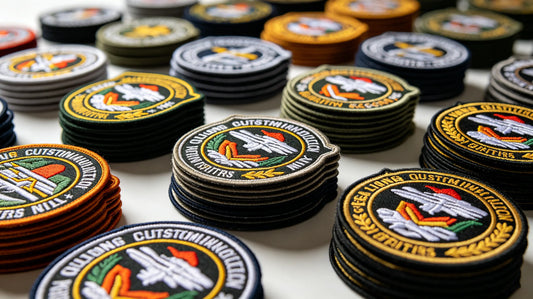
Custom embroidered patches are the most popular choice for a reason—they offer a rich, traditional 3D texture that adds depth and character to any apparel or gear. Crafted with color-fast, eco-friendly threads using state-of-the-art multi-head machines, these patches are durable, stylish, and perfect for a wide range of applications. Whether you’re adding a logo to a jacket, a team badge to a uniform, or a personal design to a backpack, custom embroidered patches deliver a timeless look.
Embroidered patches come in several styles to suit different needs: 2D flat embroidery (ideal for crisp corporate logos and uniforms), 3D puff embroidery (with foam beneath the stitching for a bold, raised look—perfect for hats and streetwear), vintage chenille embroidery (soft, towel-like texture for varsity jackets), and metallic thread embroidery (shiny gold or silver threads for high-end crests and special events).
Pros: Classic 3D texture, versatile for most applications, available in multiple styles, machine washable and fade-resistant, works well with bold logos and designs. Cons: May not capture extremely small text or intricate details as clearly as woven patches, not fully waterproof (though durable). Best For: Everyday apparel, team uniforms, corporate logos, hats, jackets, and personal DIY projects.
2. Woven Patches: Fine Details & a Sleek Finish
If your design features small text, complex patterns, or intricate details that you want to showcase clearly, woven patches are the ideal choice. Unlike embroidered patches, which use stitched threads to create the design, woven patches are made by weaving fine threads together to form a flat, smooth surface that captures even the tiniest details—details that embroidery simply can’t replicate.
Woven patches are thinner and flatter than embroidered patches, making them perfect for applications where a low-profile look is desired. They’re also durable, color-fast, and machine washable, though they lack the 3D texture of embroidery. Many businesses and organizations choose woven patches for logos with small text, while fashion brands use them for subtle, sophisticated accents on clothing and accessories.
When you order custom woven patches, you’ll get a sleek, professional finish that highlights the precision of your design. They’re especially popular for academic institutions, corporate brands, and any project where detail is a top priority.
Pros: Captures extremely small text and complex details, flat and low-profile, durable and fade-resistant, sleek professional look.Cons: No 3D texture, less bold than embroidered patches, not waterproof. Best For: Logos with small text, complex designs, academic crests, corporate branding, and low-profile apparel accents.
3. PVC Patches: Rugged Durability & Waterproof Performance
For projects that require maximum durability, waterproofing, and a modern, tactical look, PVC patches are the way to go. Made from flexible, rugged PVC material, these patches are completely waterproof, tear-resistant, and built to withstand extreme environments—making them the standard for tactical gear, outdoor equipment, and military applications.
PVC patches have a smooth, rubber-like texture and can be made in any shape or color, including glow-in-the-dark or metallic finishes. They’re resistant to fading, fraying, and damage from water, dirt, and wear, making them perfect for outdoor enthusiasts, military personnel, and anyone who needs patches that can keep up with their active lifestyle. Unlike embroidered and woven patches, PVC patches are also easy to clean—just wipe them down with a damp cloth.
While PVC patches lack the traditional texture of embroidery or the fine details of woven patches, they offer unmatched durability. They’re a great choice for morale patches, tactical gear, outdoor apparel, and any project that requires a tough, long-lasting patch.
Pros: 100% waterproof, extremely durable and tear-resistant, works in extreme environments, easy to clean, available in unique finishes (glow-in-the-dark, metallic). Cons: No 3D texture, less traditional look, may not be ideal for delicate designs. Best For: Tactical gear, military patches, outdoor equipment, morale patches, and projects in harsh environments.

Side-by-Side Comparison: Embroidered vs Woven vs PVC Patches
To make it easier to choose, here’s a quick breakdown of the key differences between the three patch types. Keep in mind your project’s needs—texture, detail, durability, and intended use—when making your decision:
-
Texture: Embroidered (3D, raised stitching); Woven (flat, smooth); PVC (rubber-like, smooth).
-
Detail: Embroidered (good for bold designs, less for small text); Woven (excellent for small text and complex details); PVC (good for simple to moderate designs, less for intricate details).
-
Durability: Embroidered (high, fade-resistant, machine washable); Woven (high, fade-resistant, machine washable); PVC (extremely high, waterproof, tear-resistant).
-
Waterproof: Embroidered (no); Woven (no); PVC (yes).
-
Ideal Use: Embroidered (apparel, uniforms, hats); Woven (logos with small text, corporate branding); PVC (tactical gear, outdoor equipment, morale patches).

How to Choose the Right Patch Type for Your Project
Choosing the right patch type comes down to three key factors: your design, your intended use, and your personal preference. Here are some questions to ask yourself to narrow down your choice:
-
Does your design have small text or complex details? If yes, woven patches are the best choice—they’ll capture those details clearly where embroidery might struggle.
-
Do you want a classic 3D texture? Go with embroidered patches—they offer a traditional, raised look that’s perfect for most apparel and team badges.
-
Will your patches be exposed to water, dirt, or harsh environments? PVC patches are waterproof and durable, making them ideal for outdoor or tactical use.
-
Do you prefer a low-profile, sleek look? Woven patches are flat and subtle, while embroidered patches have more depth and PVC patches have a modern, rubbery finish.
-
What’s your budget? Embroidered and woven patches are typically similar in price, while PVC patches may be slightly more expensive due to the material and production process.

Final Tips for Ordering Your Custom Patches
No matter which patch type you choose, working with a reputable provider is key to getting high-quality results. Look for a provider that offers free design optimization, free digital mockups, and a 100% quality guarantee—this ensures your patches will turn out exactly as you envision.
Remember: you can also mix and match patch types for different projects. For example, use embroidered patches for your team uniforms, woven patches for your corporate logo, and PVC patches for your tactical gear. The goal is to choose the patch type that best fits each project’s unique needs.
Whether you’re leaning toward embroidered, woven, or PVC patches, the right choice will enhance your design, last for years, and perfectly align with your vision. Now that you understand the differences, you can order custom patches with confidence, knowing you’ve chosen the best type for your project.

FAQ
Q: Are embroidered patches more durable than woven patches?
A: Both embroidered and woven patches are highly durable and machine washable, with color-fast threads that resist fading. The main difference is texture—embroidered patches have a 3D raised look, while woven patches are flat. For most everyday uses, they’re equally durable. Learn more when you order custom patches from a trusted provider.
Q: Can PVC patches be customized with complex designs?
A: PVC patches work best with simple to moderate designs. They can capture basic logos and shapes, but extremely small text or intricate details may not be as clear as they would be on woven patches. PVC patches excel at bold, simple designs and unique finishes like glow-in-the-dark.
Q: Which patch type is best for corporate logos with small text?
A: Woven patches are the best choice for corporate logos with small text or complex details. Their flat, woven construction captures even the tiniest details that embroidered patches might struggle to replicate, resulting in a sleek, professional look.
Q: Are PVC patches waterproof?
A: Yes! PVC patches are made from flexible, waterproof material, making them ideal for outdoor gear, tactical equipment, and any project that may be exposed to water, dirt, or harsh environments. They’re also easy to clean and resistant to tear and wear.
Q: Can I get a free mockup for any patch type?
A: Most reputable providers offer free digital mockups for embroidered, woven, and PVC patches. You can review the mockup to check details, colors, and sizing, with unlimited revisions until you’re 100% satisfied—before production begins. This service is standard when you order custom embroidered patches or other patch types.
Tags:
Previous
How to Order Custom Embroidered Patches: A Step-by-Step Guide for Perfect Results
Next
Custom Embroidered Patches: Choosing the Right Size & Material for Your Project