Custom Embroidered Patches: Choosing the Right Size & Material for Your Project
When designing custom embroidered patches, two key decisions will shape their look, functionality, and overall impact: size and material. A patch that’s too small may get lost on a jacket, while one that’s too large can overwhelm a hat or backpack. Similarly, the right material ensures your patches are durable enough for daily wear, while matching your project’s style and budget. Before you order custom embroidered patches, take the time to choose the perfect size and material—this will ensure your patches look great and last for years.
Many people overlook size and material when ordering custom patches, but these details are just as important as the design itself. The right size will complement the item you’re attaching the patch to, while the right material will ensure durability, color vibrancy, and a polished finish. Whether you’re creating patches for apparel, team gear, corporate branding, or personal use, this guide will help you make informed choices that align with your vision.
We’ll break down everything you need to know: size recommendations for different items (jackets, hats, backpacks, uniforms), material options for threads and backings, and tips to match size and material to your project’s needs. By the end, you’ll be ready to order custom patches that are perfectly sized and made from the ideal material for your goals.

1. Choosing the Right Size for Your Custom Embroidered Patches
Patch size is all about balance—you want a size that’s visible enough to showcase your design, but not so large that it overpowers the item it’s attached to. Most custom embroidered patches range from 1 inch to 6 inches, with the most popular sizes falling between 2 and 4 inches. The right size depends on where you’ll be placing the patch and the complexity of your design.
Below are size recommendations for the most common uses, so you can choose a size that fits perfectly:
Hats & Beanies
Hats and beanies have limited space, so smaller patches work best. Opt for patches between 1–2 inches in diameter or height. A 1.5-inch patch is ideal for the front of a baseball cap, while a 1-inch patch fits well on the side or back. Avoid patches larger than 2 inches—they’ll bunch up or look awkward on the curved surface of a hat.
Jackets & Coats
Jackets and coats have more space, so you can go larger to make your design stand out. For the chest (near the pocket or collar), 2.5–4-inch patches are perfect. For the sleeve or back of a jacket, 3–5-inch patches work well—this size is large enough to showcase bold designs or team logos without overwhelming the garment. If you’re adding multiple patches, stick to 2–3 inches each to keep the look balanced.
Backpacks & Bags
Backpacks and bags are versatile, so size depends on the area you’re decorating. For the front pocket or strap, 2–3-inch patches are ideal. For the main body of a backpack, 3–4-inch patches work well—they’re visible but not too bulky. Avoid patches larger than 5 inches on bags, as they may weigh down the fabric or look out of place.
Uniforms & Corporate Apparel
Uniforms require a polished, professional look, so size matters. For name patches or small logos, 1.5–2.5-inch patches are best. For company logos on the chest or sleeve, 2.5–3.5-inch patches are ideal—they’re visible but not distracting. Stick to clean, simple designs with these sizes to ensure readability.
DIY Projects & Small Items
For small items like keychains, stuffed animals, or denim shorts, opt for patches between 1–2 inches. These small patches add a subtle touch without overwhelming the item. They’re also perfect for personalizing small gifts or adding a pop of style to DIY crafts.
Pro Tip: If your design has small text or intricate details, choose a slightly larger size (at least 2.5 inches) to ensure the details are clear. Smaller patches may blur fine stitching, so size up if your design is complex. When in doubt, ask your provider for a free digital mockup to see how your design will look at different sizes before you order custom embroidered patches.

2. Choosing the Right Material for Your Custom Embroidered Patches
The material of your custom embroidered patches affects their durability, appearance, and feel. There are two main components to consider: the thread material (for the design) and the backing material (for attaching the patch). Choosing the right materials will ensure your patches stand up to daily wear, washes, and even harsh environments.
Thread Materials: Durability & Style
The thread you choose for your embroidery will impact the color vibrancy, texture, and durability of your patches. Most reputable providers use high-quality, color-fast threads that resist fading and fraying, but there are different types to choose from based on your needs:
-
Polyester Thread: The most popular choice for custom embroidered patches. Polyester is color-fast, durable, and resistant to shrinking and fading—even after repeated washes. It’s available in a wide range of colors, making it perfect for bold, vibrant designs. This is the best all-around option for most projects, from apparel to team gear.
-
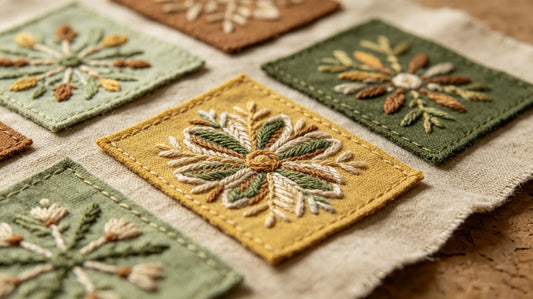
Cotton Thread: A natural option with a soft, matte finish. Cotton thread is ideal for vintage-style designs or projects where a subtle, organic look is desired. However, it’s less durable than polyester and may fade or shrink over time, so it’s best for items that aren’t washed frequently (like decorative pieces or collectibles).
-
Metallic Thread: For a high-end, eye-catching look. Metallic thread (gold, silver, or colored metallic) adds shine and elegance to patches, making them perfect for special events, crests, or luxury branding. It’s durable but may be slightly stiffer than polyester, so it’s best for designs that don’t require excessive flexibility.
-
Rayon Thread: A smooth, shiny thread that offers a vibrant, lustrous finish. Rayon is softer than polyester and has a silk-like appearance, making it ideal for delicate designs or high-end apparel. However, it’s less durable than polyester and may fade if exposed to direct sunlight for long periods.

Backing Materials: Attachment & Durability
The backing of your patch determines how you’ll attach it to your item and how durable it will be. Choose a backing that matches your project’s needs—whether you want a quick DIY attachment or maximum durability:
-
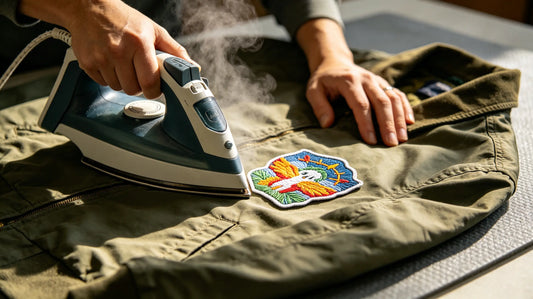
Iron-On Backing: The most convenient option for DIY projects. Iron-on backing uses heat-activated adhesive to attach the patch to fabric—just press with an iron, and it’s secure. It’s perfect for jackets, jeans, and bags, but it’s not as durable as sew-on backing. Avoid iron-on backing for heavy-duty items or fabrics that can’t handle heat (like nylon).
-
Sew-On Backing: The most durable option. Sew-on backing requires stitching the patch to the item, but it’s extremely secure and works for all fabrics—including heavy-duty materials like canvas or leather. It’s ideal for uniforms, tactical gear, and items that will be washed frequently.
-
Velcro Backing: Perfect for patches that need to be swapped out. Velcro backing has two parts—one attached to the patch and one to the item—allowing you to easily remove and replace the patch. It’s great for tactical gear, hats, and team uniforms where patches may need to be changed.
-
Self-Adhesive Backing: A temporary option for short-term use. Self-adhesive backing is easy to apply but not durable— it’s best for temporary decorations, events, or items that won’t be washed. It’s not recommended for long-term use or frequent wear.

Matching Size & Material to Your Project
The best size and material combination depends on your project’s purpose. Here are some examples to help you decide:
-
Team Hats: 1.5-inch patch, polyester thread, iron-on or velcro backing (for easy swapping).
-
Corporate Jackets: 3-inch patch, polyester thread, sew-on backing (for durability and a professional look).
-
Outdoor Backpacks: 3.5-inch patch, polyester thread, sew-on or velcro backing (to withstand outdoor wear).
-
Vintage DIY Projects: 2-inch patch, cotton thread, iron-on backing (for a soft, retro look).
-
Special Event Crests: 4-inch patch, metallic thread, sew-on backing (for a high-end, elegant finish).

Final Tips for Choosing Size & Material
1. Always consider the item you’re attaching the patch to—measure the space first to ensure the size fits. 2. Prioritize durability for frequently worn items (opt for polyester thread and sew-on backing). 3. Use a free digital mockup to test different sizes and see how your design looks. 4. Don’t be afraid to ask your provider for recommendations—they can help you match size and material to your project’s needs.
Choosing the right size and material for your custom embroidered patches will ensure they look great, last long, and perfectly complement your project. Whether you’re creating patches for your team, brand, or personal use, taking the time to make these choices will pay off in the end. Now that you know the basics, you can order custom patches with confidence, knowing you’ve selected the perfect size and material.
FAQ
Q: What is the most popular size for custom embroidered patches?
A: The most popular size for custom embroidered patches is 2–4 inches. This size is versatile and works well for most applications, including jackets, backpacks, and uniforms. For hats, 1–2 inches is preferred, while larger items like jacket backs can accommodate 3–5-inch patches. Learn more about sizing when you order custom embroidered patches from a trusted provider.
Q: Which thread material is best for durable custom embroidered patches?
A: Polyester thread is the best choice for durability. It’s color-fast, resistant to fading and shrinking, and holds up well to repeated washes—making it ideal for frequently worn items like jackets, uniforms, and backpacks. Cotton thread is softer but less durable, while metallic thread adds shine for special designs.
Q: Can I use iron-on backing for leather or nylon items?
A: It’s not recommended. Iron-on backing requires heat, which can damage delicate fabrics like leather or nylon (nylon may melt, and leather may warp). For leather or heavy-duty fabrics, opt for sew-on backing for a secure, damage-free attachment.
Q: How do I know if my design will work with a small patch size?
A: If your design has small text or intricate details, a patch smaller than 2.5 inches may blur the details. Ask your provider for a free digital mockup to test different sizes—this way, you can see how your design will look before you order custom patches, ensuring clarity and quality.
Q: Are there any material options for eco-conscious projects?
A: Yes! Many reputable providers offer eco-friendly options, including color-fast, eco-friendly polyester threads and sustainable backing materials. These materials are skin-friendly, free from harmful chemicals, and align with eco-conscious branding goals.
Tags:
Previous
Custom Embroidered Patches vs Woven vs PVC: Which Is Best for Your Project?
Next
5 Common Myths About Custom Embroidered Patches (Debunked)