Custom Patch Pricing Guide 2026 | Exact Cost Factors & Budget Saving Tips
Custom patch pricing is one of the most frequently asked questions for first-time buyers. Patch costs are never fixed—prices shift dramatically based on order quantity, patch size, material type, design complexity, premium upgrades, and backing options. Many customers overpay for unnecessary features or underestimate total costs due to a lack of transparent pricing knowledge.
Most online patch quotes look similar on the surface, but hidden setup fees, digitizing charges, upgrade markups, and minimum order rules can inflate your final bill. This 2026 ultimate pricing guide fully demystifies custom patch costs, breaks down every price-influencing factor, compares pricing across all patch types, and shares professional budget-saving tricks to help you order high-quality custom embroidered patches at the lowest possible price.

1. The #1 Cost Factor: Order Quantity
Quantity is the single biggest determinant of per-unit patch cost. All custom patches require fixed one-time setup costs including artwork digitizing, mold creation, machine calibration, and production setup. Larger orders dilute these fixed fees, drastically reducing individual unit prices.
Small Batch Orders (10–100 Pieces)
Highest per-unit cost, no bulk discounts. Ideal for small clubs, personal collections, and small team uniforms. Small runs carry premium pricing because setup fees are spread across very few units.
Medium Batch Orders (100–500 Pieces)
Moderate discounted pricing, balanced cost performance. Perfect for local business uniforms, school groups, and mid-size brand merchandise runs. Most standard orders fall within this range.
Large Bulk Orders (500+ Pieces)
Maximum wholesale discount, lowest per-unit price. Orders above 500 units unlock factory bulk pricing, with further price drops for 1000+ quantities. Best for retail brands, large corporate uniforms, and promotional giveaway campaigns.
2. How Patch Size Impacts Pricing
Physical size directly determines material consumption, stitch count, and production time. Standard patch sizes follow consistent pricing rules across all patch styles.
- 2-inch mini patches: Lowest cost, minimal thread/material usage, ideal for hat logos and collar insignias
- 3-inch standard patches: Mid-range pricing, most popular for chest logos and uniform badges
- 4-inch large patches: Higher cost, increased stitch density and material coverage
- 5+ inch oversized patches: Premium pricing, maximum material usage, long production run times
A common rule: doubling patch width and height nearly quadruples production material and stitch work, creating significant price increases for oversized designs.

3. Material Type Price Comparison (2026 Standard Rates)
Different patch materials carry distinct base costs, even with identical size and design.
Woven Patches (Most Budget-Friendly)
Lowest base cost for detailed designs. Fast production, efficient loom weaving process, perfect for bulk corporate orders with fine line artwork.
Standard Embroidered Patches (Mid-Range Standard)
Balanced price and quality, industry standard for most custom orders. Affordable for both small and medium batches.
Sublimation Printed Patches (Mid-Range Premium)
Slightly higher base cost for full-color digital printing, no extra charge for unlimited gradients and photo details.
PVC Rubber Patches (High-End Premium)
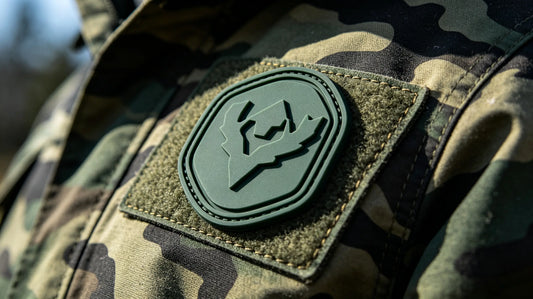
Mold-based production increases setup cost. Higher per-unit pricing, but delivers superior waterproof durability and 3D molded texture.
Leather Patches (Premium Highest Cost)
Genuine leather carries the highest material cost; PU faux leather offers a budget-friendly alternative with similar aesthetics.
4. Premium Upgrades That Increase Patch Cost
These optional add-ons are the most common price boosters during checkout:
3D Puff Embroidery Upgrade
Adds foam material and denser stitching time. Increases unit cost by 20%–40% depending on the raised coverage area. Partial 3D puff costs less than full patch 3D coverage.
Custom Die-Cut Shapes
Standard circle, square, and rectangle shapes have no extra fee. Irregular custom contour shapes require extra cutting work and minor premium charges.
Merrow Border Upgrades
Heat-cut edges are standard and free. Thick rolled merrow borders add labor time, creating a small upgrade cost.
Special Backing Upgrades
Sew-on is free standard backing. Iron-on heat seal adds minimal cost; hook-and-loop velcro backing carries a moderate premium due to extra material and sewing labor.

5. Design Complexity & Color Count Pricing Rules
Color Quantity
Thread and rubber color changes require machine recalibration. Designs with 1–4 standard colors have baseline pricing. Each additional custom color adds incremental labor costs, especially for embroidered and woven patches. Sublimation patches are color-free, with zero extra charge for unlimited colors and gradients.
Fine Detail & Complex Artwork
Highly intricate designs, tiny text, and layered graphics require extended digitizing time and quality inspection, occasionally adding custom artwork fees for ultra-complex files.
6. Hidden Patch Fees to Avoid in 2026
Many patch suppliers hide these charges in fine print, leading to unexpected final costs:
- Separate digitizing setup fees (one-time design charges)
- Individual mold fees for PVC and leather patches
- Rush production and expedited shipping surcharges
- Extra border and backing upgrade hidden markups
- Revision fees for repeated artwork adjustments
Reputable suppliers include digitizing and basic setup fees within quoted unit pricing, with transparent itemized invoices.

7. Proven Budget-Saving Tips (No Quality Loss)
Order in Larger Batches
Consolidate small repeat orders into one bulk run. 500-piece orders can reduce per-unit cost by up to 40–60% compared to 100-piece small runs.
Use Standard Sizes & Shapes
Stick to 2–4 inch standard sizes and basic shapes to avoid custom cutting fees.
Minimize Unnecessary Upgrades
Choose heat-cut edges over merrow borders for budget orders, and select free sew-on backing unless removability is required. Reserve 3D puff only for key focal designs.
Simplify Color Palettes
Limit embroidered and woven designs to 4–6 core colors to avoid extra color change fees. Use sublimation for multi-color gradient artwork instead of expensive multi-thread embroidery.
Reuse Existing Artwork Files
Finalized digitized files can be reused for reorders, eliminating repeat setup and digitizing fees.
8. Standard Industry Price Ranges 2026 (3-Inch Standard Patch)
- Small batch (10–50pcs): $4.50–$8.00 per unit
- Medium batch (100–500pcs): $1.80–$3.50 per unit
- Large bulk (500–1000pcs): $0.90–$1.70 per unit
- Mass wholesale (1000+pcs): As low as $0.30–$0.80 per unit
Prices vary slightly based on material, upgrades, and artwork complexity, reflecting current 2026 factory wholesale standards.

Final Thoughts
Custom patch pricing is fully scalable and determined by quantity, size, material, design complexity, and premium upgrades. Small batches always carry premium setup costs, while bulk orders deliver massive per-unit savings. The key to smart budgeting is avoiding unnecessary hidden fees, selecting the right material for your design, and consolidating orders for maximum discount eligibility.
By following transparent pricing rules and budget-saving strategies, you can order professional, high-quality custom patches at the lowest possible cost while retaining every essential design feature you need for uniforms, merch, and branding projects.
FAQ
Q: What is the cheapest type of custom patch?
A: Standard woven patches with heat-cut edges and sew-on backing offer the lowest base cost, ideal for bulk budget orders.
Q: Does more colors make custom patches more expensive?
A: Yes for embroidered and woven patches. Sublimation patches have unlimited free colors with zero additional charges.
Q: Why are small batch patches so expensive?
A: Fixed setup, digitizing, and machine calibration fees are spread across a small number of units, raising individual pricing.
Q: Are 3D puff patches more expensive?
A: Yes, 3D puff embroidery requires extra foam material and dense stitching labor, adding a moderate premium to unit pricing.
Q: Can I avoid hidden patch fees?
A: Yes, choose suppliers with transparent all-inclusive quotes, no separate digitizing fees, and itemized upgrade pricing.
Tags:
Previous
PVC Rubber Patches 2026 | Complete Guide to Durable Silicone & Rubber Patches
Next
Custom Patch Borders Guide 2026 | Merrow Edge vs Heat Cut Edge