Custom Patch Stitch Density Guide 2026 | Low, Medium & High Density Differences
Stitch density is the hidden factor that separates cheap, low‑quality patches from premium, professional‑grade custom embroidery. While most customers focus only on logo design and colors, stitch density directly controls texture smoothness, detail sharpness, wash durability, stiffness, and final pricing of every embroidered patch.
Stitch density refers to stitch coverage rate and SPI (stitches per inch) — how tightly embroidery threads are packed over the patch fabric base. Different density levels create completely different visual and tactile results. This guide breaks down low, medium, and high stitch density, helping you select the perfect grade for your uniforms, merch, tactical gear, and apparel projects. You can customize density options on all our custom embroidered patches.

1. What Is Embroidery Stitch Density?
Stitch density measures how many embroidery stitches are packed into every square inch of a patch. Industry professionals use SPI (stitches per inch) and coverage percentage to grade patch quality.
- Higher density = tighter thread packing, fewer gaps, smoother surface, higher durability
- Lower density = loose thread spacing, visible fabric gaps, lighter texture, lower cost
Density is the core reason two patches with identical artwork can look drastically different — one crisp and solid, one faded and patchy. Professional patch factories adjust density based on patch size, design detail, and intended usage scenario.
2. Three Industry Standard Stitch Density Levels
Low Stitch Density (5–7 SPI / 50%–60% Coverage)
Low density features widely spaced stitches with subtle twill fabric gaps visible between threads. Key Features
- Soft, flexible, ultra‑light texture
- Slightly translucent thread coverage
- Minimal stiffness, very comfortable on thin fabrics
- Lowest production cost
Best For Temporary event merch, short‑term promotional patches, simple logo accents, and low‑budget bulk orders where maximum durability is not required.
Limitations Cannot cover complex details, fabric gaps show through solid color areas, fades faster after repeated washing.
Medium Stitch Density (8–11 SPI / 70%–85% Coverage)
Medium density is the universal standard for 90% of custom patch orders. It balances quality, flexibility, durability, and affordability perfectly. Key Features
- Smooth consistent coverage with no obvious fabric gaps
- Balanced soft texture without excessive stiffness
- Clear logo definition and readable text
- Excellent wash resistance for daily wear
Best For Hats, casual apparel, brand merch, school team patches, standard uniform insignias, and everyday decorative patches.
Advantages No rigid bulk, maintains shape well, affordable pricing, and delivers clean professional results.
High Stitch Density (12–15 SPI / 90%–100% Coverage)
High density is premium full coverage embroidery with tightly packed threads and zero visible fabric gaps. Key Features
- Solid, opaque, flawless color fill
- Ultra‑sharp edges and crisp tiny text details
- Thick, rigid, sculpted texture
- Maximum friction and wash resistance
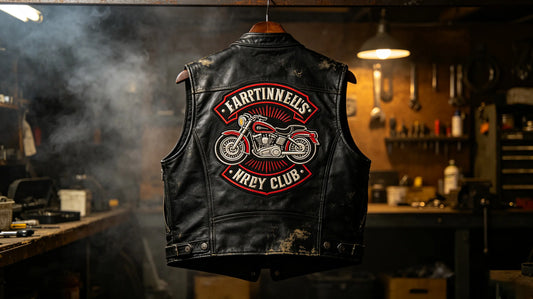
Best For Tactical morale patches, heavy‑duty work uniforms, motorcycle vest back patches, premium limited merch, and 3D puff embroidery bases.
Limitations Slightly stiffer texture, higher cost, not ideal for ultra‑thin lightweight garments.

3. Side‑By‑Side Density Comparison (Low / Medium / High)
Texture & Feel
- Low: Soft, loose, flexible, slightly see‑through
- Medium: Balanced, smooth, wearable
- High: Firm, solid, dense, premium textured
Detail Performance
- Low: Blurry small text, merged fine lines
- Medium: Clear standard text and logo shapes
- High: Ultra‑crisp fine details, tiny fonts, precise borders
Durability & Wash Life
- Low: Moderate wear, fades faster over time
- Medium: Long‑lasting for daily use
- High: Industrial‑grade durability, survives hundreds of washes
Stiffness & Comfort
- Low: Most comfortable, zero bulk
- Medium: Neutral, wearable on all apparel
- High: Noticeable firmness, structured feel
Pricing
- Low: Budget‑friendly
- Medium: Standard industry pricing
- High: Premium cost due to extra thread and machine time
4. Size‑Based Density Adjustment Rules (Professional Standard)
Factory professionals adjust density automatically based on patch size to avoid defects:
- Mini patches (1.5″–2.5″): Slightly higher density to preserve tiny detail clarity
- Standard patches (3″–4″): Medium default density for balanced quality
- XL back patches (6″–12″): Slightly relaxed high density to prevent excessive stiffness and thread buildup
- 3D puff patches: Require high‑density base stitching to support foam expansion and prevent collapsing

5. How Density Impacts 3D Puff Embroidery
3D raised embroidery requires high stitch density as a foundation. Loose low‑density stitches cannot hold foam structure, resulting in:
- Collapsed puff areas
- Uneven raised surfaces
- Foam show‑through gaps
- Squashed 3D effect after wear
All premium 3D patches use 90%–100% high density stitching for stable, long‑lasting raised texture.
6. Common Density Mistakes That Ruin Patch Quality
Mistake 1: Low Density for Uniforms
Visible fabric gaps create unprofessional, faded‑looking uniforms that fail brand standards.
Mistake 2: Over‑High Density on Small Hat Patches
Excess density makes small patches overly stiff, warping hat foam and creating awkward bulges.
Mistake 3: Mixed Density in Bulk Orders
Inconsistent SPI across batches causes color brightness and texture mismatch in brand collections.
Mistake 4: Low Density for Fine Text Logos
Small lettering completely blurs and becomes unreadable with loose stitch spacing.

7. Pro Tips To Choose The Right Density Every Time
- Default to medium density for all standard projects — safest balance of quality and cost.
- Upgrade to high density for uniforms, tactical gear, 3D embroidery, and fine‑text logos.
- Use low density only for temporary events and short‑term promotional items.
- For ultra‑thin t‑shirts, stick to medium density to avoid rigid bulk.
- Always request consistent density grading for bulk brand orders to ensure uniform texture.
Final Thoughts
Stitch density is the invisible quality standard that defines how professional and durable your custom patches appear. Low density works for temporary low‑budget needs, medium density serves most everyday custom apparel projects, and high density delivers premium, long‑lasting quality for uniforms, tactical gear, and high‑end merch.
Understanding stitch density helps you avoid faded, patchy, or overly stiff finished products. By matching density grade to your usage scenario, you will always receive perfectly textured, sharp, and durable custom embroidered patches.

FAQ
Q: What is the best stitch density for custom patches?
A: Medium stitch density (8–11 SPI) is the best universal choice for most patches, balancing clarity, comfort, durability, and cost.
Q: Are high density patches worth the extra cost?
A: Yes, for uniforms, tactical gear, and long‑term wear. High density patches offer sharper detail and far better wash resistance.
Q: Can low density patches last long?
A: Low density patches fade and wear faster. They are not recommended for frequent washing or daily heavy use.
Q: Does higher density make patches stiffer?
A: Yes. High density patches have a firmer, more structured texture, while low density patches are softer and more flexible.
Q: Does 3D embroidery need high stitch density?
A: Absolutely. High density base stitching is required to support foam puffing and maintain a stable 3D raised shape.
Tags:
Previous
Custom Patch Color Matching Guide 2026 | PMS Colors, Psychology & Best Palettes
Next
Custom Woven Patches 2026 | Ultimate Guide to Fine Detail Woven Patches