Custom Patches FAQ: Answers to Your Most Common Questions (Buyer’s Guide)
Whether you’re a first-time buyer or have ordered custom patches before, it’s normal to have questions—from choosing the right material and design to understanding the ordering process and caring for your patches. At every step, custom embroidered patches buyers often wonder about the details that make or break their project. In this comprehensive FAQ guide, we’re answering the most common custom patches questions, sharing expert tips, and clearing up confusion to help you make informed decisions. Whether you’re ordering patches for personal use, a team, or a business, this guide will ensure your experience is smooth, stress-free, and successful.

Why a Custom Patches FAQ Guide Matters
Ordering custom patches should be exciting, not overwhelming. But with so many options—materials, backing types, design specs, and ordering steps—it’s easy to feel unsure. A detailed FAQ guide eliminates guesswork, helps you avoid common mistakes, and ensures you get exactly what you want. Whether you’re wondering about design file requirements, production timelines, or how to apply your patches, we’ve got you covered. Plus, knowing the answers to these common questions helps you communicate better with your custom patches supplier, leading to better results.
This guide is designed for everyone: DIY enthusiasts, team leaders, business owners, and anyone looking to order custom patches. We’ve compiled the questions we hear most often from our customers, along with clear, straightforward answers to help you navigate the entire process.

Custom Patches FAQ: Design & Customization Questions
Design and customization are the first steps in ordering custom patches, and they’re often where buyers have the most questions. Below, we answer the most common design-related questions to help you create the perfect patch.
Q: What design files do I need to submit for custom patches?
A: Most reputable suppliers accept a variety of file formats, but the best options are high-quality vector files (AI, EPS, PDF) because they’re scalable and ensure your design looks crisp at any size. If you don’t have vector files, high-resolution raster files (PNG, JPG, PSD) with a minimum of 300 DPI will also work. Don’t worry if you don’t have a professional design—many custom embroidered patches suppliers offer free design optimization: just send a sketch, low-res image, or even a description of your idea, and their in-house design team will refine it for you at no extra cost.
Q: Can I use copyrighted images or logos in my custom patches?
A: No, you should never use copyrighted images, logos, or artwork without explicit permission from the copyright owner. This includes brand logos, cartoon characters, sports team logos, and celebrity images. If you’re using a logo for your business or team, you must own the rights to it or have written permission to use it. Reputable suppliers will ask for proof of permission if your design includes potentially copyrighted material to avoid legal issues.
Q: How small or large can custom patches be?
A: The size of your custom patch depends on your design and use case. Most suppliers offer patches as small as 1 inch (2.5 cm) and as large as 12 inches (30 cm). Small patches (1-2 inches) are perfect for hats, sleeves, or small accessories, while larger patches (6+ inches) work well for jackets, backpacks, or team uniforms. Keep in mind that extremely small patches (under 1 inch) may not work well for intricate designs or small text—simplify your design for smaller sizes. Your custom patches supplier can help you choose the right size for your design.
Q: Can I choose any color for my custom patches?
A: Yes! Most suppliers offer a wide range of thread colors (for embroidered/woven patches) or material colors (for PVC/leather patches) to match your vision. You can provide a Pantone color code for exact color matching, or describe the color you want, and the supplier will match it as closely as possible. Keep in mind that some colors may look slightly different on screen versus the final patch—ask for a free digital mockup to confirm the colors before production.
Q: Can I add text to my custom patches?
A: Absolutely! Text is a great way to personalize your custom patches—whether it’s a name, date, slogan, or team name. For embroidered patches, keep text at least 0.25 inches tall to ensure it’s legible; smaller text may be hard to replicate. For woven patches, you can use slightly smaller text since the weaving technique allows for more detail. The supplier’s design team can help you choose the right font and size for your text to ensure it looks great.

Custom Patches FAQ: Material & Backing Questions
Choosing the right material and backing is crucial for the durability and functionality of your custom patches. Below, we answer the most common questions about materials and backings to help you make the right choice.
Q: What’s the difference between embroidered and woven patches?
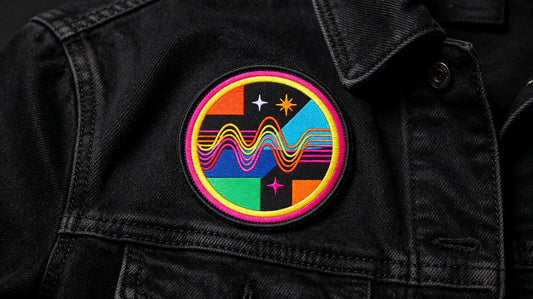
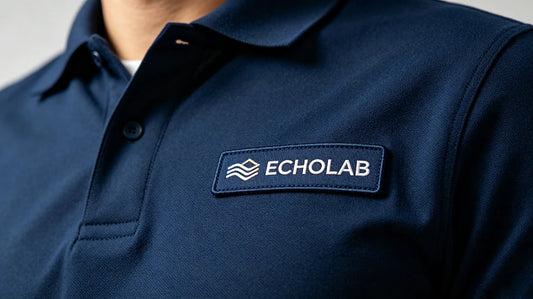
A: Embroidered patches are made by stitching thread onto a backing material, creating a textured, dimensional look. They’re perfect for bold designs, vibrant colors, and a classic aesthetic. Woven patches are made by weaving threads together, creating a smooth, flat surface that’s ideal for intricate designs and small text. Embroidered patches are more popular for casual wear, while woven patches are often used for official logos or designs that require precision. Both are durable, but woven patches are better for detailed text. You can find both options at trusted custom patches suppliers.
Q: When should I choose PVC patches over embroidered patches?
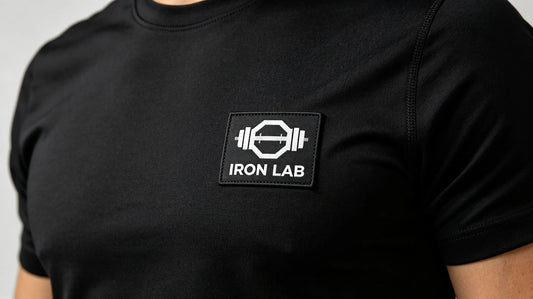
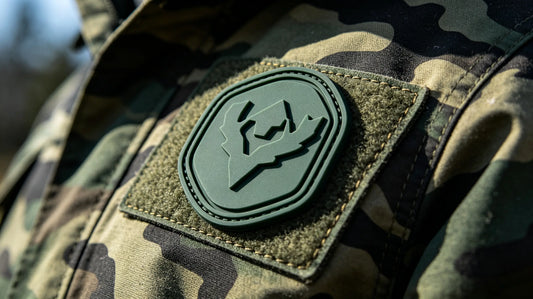
A: PVC patches (rubber patches) are waterproof, UV-resistant, and extremely durable—making them perfect for outdoor gear, tactical clothing, hats, and items that are exposed to harsh conditions (rain, dirt, sun). They’re also great for 3D designs, as the material can be molded into raised shapes. Embroidered patches are better for casual wear, DIY projects, and designs that require a soft, textured look. If you need a patch that can withstand heavy wear and the elements, PVC is the way to go; if you want a classic, versatile look, embroidered patches are ideal.
Q: What’s the best backing type for my custom patches?
A: The best backing type depends on how you plan to use your patches and the fabric of your item: Iron-on: Convenient and easy to apply—perfect for cotton, denim, or canvas. Not recommended for delicate fabrics (silk, lace) or leather.Sew-on: Durable and long-lasting—ideal for heavy-duty items (jackets, backpacks, jeans) and delicate fabrics. Requires sewing, but ensures the patch stays in place for years.Hook & Loop: Reusable and easy to remove—perfect for patches you want to swap out (e.g., seasonal patches, team patches). Great for tactical gear or items you don’t want to permanently modify.Self-Adhesive: Temporary and easy to apply—ideal for rental clothing, hats, or items you don’t want to damage. Not as durable as other backings, but great for short-term use.Your custom embroidered patches supplier can help you choose the best backing for your needs.
Q: Are leather patches durable?
A: Yes! Leather patches are extremely durable and develop a unique patina over time, adding character to your gear. They’re perfect for biker jackets, leather bags, jeans, and items where a premium, rugged look is desired. Genuine leather patches are more durable than faux leather, but both hold up well to regular wear. To extend their lifespan, clean them with a leather cleaner and conditioner and avoid prolonged exposure to water.

Custom Patches FAQ: Ordering & Delivery Questions
The ordering and delivery process is another common source of questions for custom patches buyers. Below, we answer the most frequent questions to help you navigate this step smoothly.
Q: Is there a minimum order quantity (MOQ) for custom patches?
A: Most suppliers have a low minimum order quantity (MOQ) of 10 pieces, which is perfect for personal DIY projects, small teams, or gifts. For bulk orders (100+ pieces), many suppliers offer volume discounts—ideal for businesses, large teams, or events. If you only need 1-5 patches, some suppliers offer small-batch orders, but they may be more expensive per unit. Check with your custom patches supplier for their specific MOQ and pricing.
Q: How long does it take to get custom patches?
A: The total time depends on production and shipping. Standard production takes 5-10 business days, depending on the material, size, and quantity of your patches. Global shipping takes 3-5 business days via DHL, FedEx, or UPS. So, total time is usually 8-15 business days. If you’re in a rush, most suppliers offer expedited production (2-3 business days) and shipping for an additional fee. For holidays or special events, order 4-6 weeks in advance to avoid delays.
Q: Do I get a mockup before production?
A: Yes! Reputable suppliers send a free digital mockup of your patches within 24 hours of submitting your design and specs. The mockup is a detailed preview of what your final patches will look like, including colors, text, size, and texture. You can request unlimited revisions until you’re 100% satisfied—this ensures your patches match your vision before production begins. Never order custom patches without approving a mockup first!
Q: What if my patches don’t match the mockup?
A: Reputable suppliers offer a 100% quality guarantee. If your patches don’t match the approved mockup in design, color, or sizing, they’ll remake your entire order for free or issue a full refund. This guarantee protects you and ensures you get the patches you paid for. Always choose a custom embroidered patches supplier with a clear quality guarantee.
Q: Can I track my order during shipping?
A: Yes! Most suppliers provide a tracking number once your order ships. You can use this number to monitor your package’s progress online, so you know exactly when to expect your patches. Tracking is included with most global shipping options, and you’ll receive an email with the tracking information once your order leaves the production facility.

Custom Patches FAQ: Application & Care Questions
Once you receive your custom patches, you’ll want to apply them correctly and care for them to ensure they last. Below, we answer the most common application and care questions.
Q: How do I apply iron-on custom patches?
A: Applying iron-on patches is easy: Preheat your iron to the cotton setting (no steam) and lay your garment flat on an ironing board.Place the patch face-up on the area you want to decorate.Cover the patch with a thin cloth (to protect the patch and garment from heat).Press the iron firmly on the patch for 15-20 seconds.Flip the garment inside out and press again for 10 seconds.Let it cool completely before wearing.For best results, use high-quality iron-on custom patches and avoid applying them to delicate fabrics.
Q: How do I wash clothes with custom patches?
A: The washing instructions depend on the patch material and backing: Embroidered/Woven Patches: Wash the garment inside out on a gentle cycle with cold water. Avoid high-heat dryers—air drying is best.PVC Patches: Wipe clean with a damp cloth—no need to wash. Avoid extreme heat, as it can warp the material.Leather Patches: Clean with a leather cleaner and conditioner. Avoid getting them wet for extended periods.Iron-On Patches: Wash gently to avoid loosening the adhesive—air dry whenever possible.
Q: Can I remove custom patches once they’re applied?
A: It depends on the backing: Iron-On: Can be removed by applying heat (with an iron) and peeling the patch off. Use a fabric softener sheet to loosen the adhesive if needed. Note that removing iron-on patches may leave residue or damage delicate fabrics.Sew-On: Can be removed by unpicking the stitches with a seam ripper. This is the most gentle method for removing patches without damaging the garment.Hook & Loop: Can be easily removed and reattached—no damage to the garment.Self-Adhesive: Can be peeled off easily, but may leave residue on the garment.
Q: How do I store custom patches when not in use?
A: Proper storage ensures your patches stay in great condition: Store patches in a cool, dry place—avoid damp areas to prevent mold or discoloration.Keep patches in a small box or pouch to prevent loss or damage. You can also display them on a pin board when not in use.For iron-on patches, avoid storing near heat sources (e.g., radiators, direct sunlight) to prevent the adhesive from activating.For leather or PVC patches, wipe them clean before storing to remove dirt or debris.High-quality custom patches will last for years with proper storage.
Final Thoughts on Custom Patches FAQ
We hope this FAQ guide has answered all your custom patches questions and helped you feel more confident about your next order. Whether you’re a first-time buyer or a seasoned pro, understanding the details—from design and materials to ordering and care—ensures you get the perfect patches for your needs.
Remember, the key to a successful custom patches project is choosing a reputable supplier that offers free mockups, transparent pricing, quality guarantees, and great customer support. Head tocustom embroidered patches collections to start your order today—with the information in this guide, you’re ready to create patches that look great and last.
Bonus: Pro Tips for a Stress-Free Custom Patches Experience
-
Order a sample first if you’re ordering in bulk—this lets you check the quality, color, and design before committing to a large order.
-
Communicate clearly with your supplier—if you have questions or special requests, don’t hesitate to ask. Good communication leads to better results.
-
Plan ahead—factor in production and shipping time to ensure your patches arrive when you need them.
-
Choose high-quality materials—investing in premium patches ensures they last longer and look better.
Tags:
Previous
Seasonal Custom Patches: Festive Designs & Styling Tips for Every Occasion
Next
Custom Embroidered Patches: A Complete Guide to Materials, Craftsmanship & Uses