Custom Patches Materials Guide: Choose the Best Fabric for Your Style & Needs
When it comes to custom patches, the material you choose can make all the difference—from durability and appearance to how well it fits your lifestyle. Whether you’re creating patches for everyday wear, outdoor gear, or special occasions, custom embroidered patches and other fabric options each have unique benefits that cater to different needs. In this guide, we’ll break down the most popular custom patches materials, their pros and cons, and how to pick the perfect one for your next project. Plus, we’ll share where to find high-quality patches in every material to ensure your designs stand the test of time.

Why Custom Patches Materials Matter
The material of your custom patch isn’t just about looks—it affects how long the patch lasts, how it holds up to wear and tear, and even how it feels against your skin. A patch made for a heavy-duty jacket needs a different material than one for a delicate tote bag, and outdoor patches require weather-resistant fabrics to withstand rain, sun, and dirt. Choosing the right material ensures your custom patches look great, function well, and stay in place for years—whether you’re using them for DIY projects, brand promotion, or personal style.
With so many materials available, it’s easy to feel overwhelmed—but fear not. We’re breaking down the most common options, so you can make an informed choice that aligns with your goals. From classic embroidered patches to durable PVC styles, there’s a material for every use case and style preference.

The Top Custom Patches Materials: Pros, Cons & Best Uses
Every custom patches material has its own strengths and weaknesses, and the best choice depends on how you plan to use the patch. Below, we’ll explore the most popular options, including their key features, ideal uses, and tips for styling.
Embroidered Patches: Classic & Versatile
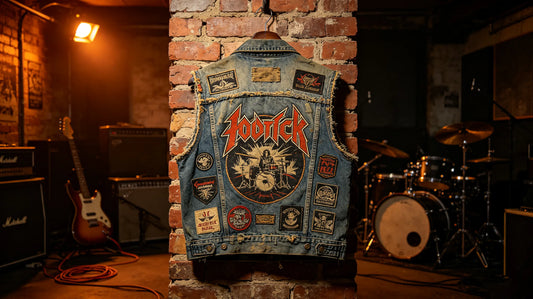
Embroidered patches are the most popular choice for custom designs—and for good reason. They’re made by stitching thread onto a backing material, creating a textured, dimensional look that adds depth and character to any item. Available in a wide range of colors and thread types, custom embroidered patches work well for almost any use case, from casual wear to club logos and brand promotion.
Pros: Timeless appearance, soft texture, vibrant colors, and versatile enough for most fabrics (cotton, denim, canvas). They’re also durable enough for everyday wear and can withstand regular washing. Cons: Intricate small text or designs may be hard to replicate, and they’re not as waterproof as PVC patches. Best Uses: Daily casual wear, jackets, backpacks, club patches, and DIY projects where style and texture are a priority.
Woven Patches: Crisp & Detailed
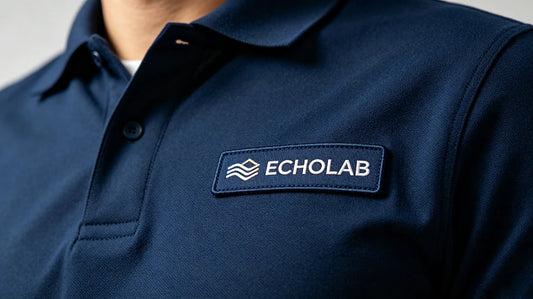
Woven patches are similar to embroidered patches but use a weaving technique instead of stitching, creating a smooth, flat surface that’s perfect for intricate designs and small text. The threads are woven together tightly, resulting in a crisp, clear design that’s easy to read—even for tiny details. Woven patches are often used for official logos, military patches, or designs that require precision.
Pros: Excellent for small text and intricate details, smooth texture, durable, and available in a wide range of colors. They’re also lightweight, making them ideal for delicate fabrics. Cons: Less dimensional than embroidered patches, and they may not have the same textured look. Best Uses: Official logos, military patches, name tags, and designs with small text or complex patterns. You can find high-quality woven custom patches alongside embroidered options from top suppliers.
PVC Patches: Durable & Waterproof
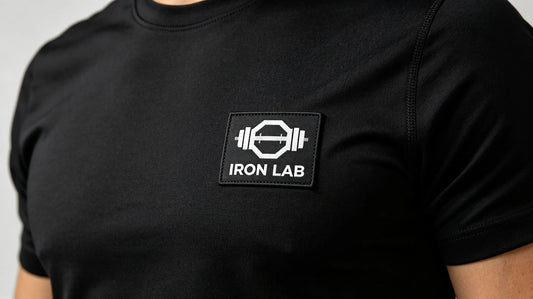
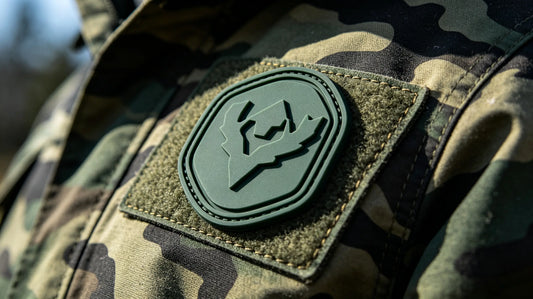
PVC patches (also known as rubber patches) are made from flexible, waterproof PVC material, making them ideal for outdoor use, tactical gear, and items that need to withstand harsh conditions. They’re resistant to water, dirt, and UV rays, and they maintain their shape and color even after repeated exposure to the elements. PVC patches are also great for 3D designs, as the material can be molded into raised shapes.
Pros: 100% waterproof, extremely durable, resistant to UV rays and dirt, and perfect for 3D designs. They’re easy to clean and hold up well to heavy wear. Cons: Less breathable than fabric patches, and they may feel stiffer against the skin. Best Uses: Outdoor gear, tactical jackets, hats, backpacks, and items that are exposed to water or harsh conditions. Many custom patches suppliers offer PVC options for rugged use cases.
Leather Patches: Rugged & Stylish
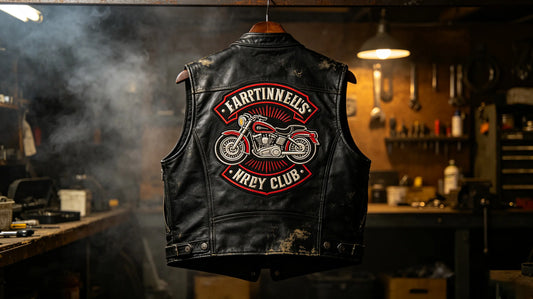
Leather patches add a premium, rugged touch to any item, making them perfect for biker jackets, leather bags, and rustic-style clothing. They’re made from genuine or faux leather, and they can be embossed, debossed, or printed with custom designs. Leather patches are durable and develop a unique patina over time, adding character to your gear.
Pros: Premium appearance, rugged durability, unique patina over time, and versatile for rustic or edgy styles. They’re also easy to attach with sew-on or adhesive backing. Cons: More expensive than other materials, and they may require special care to avoid drying out. Best Uses: Biker jackets, leather bags, jeans, and items where a premium, rugged look is desired. You can find stylishleather custom patches for your most cherished gear.
Chenille Patches: Soft & Retro
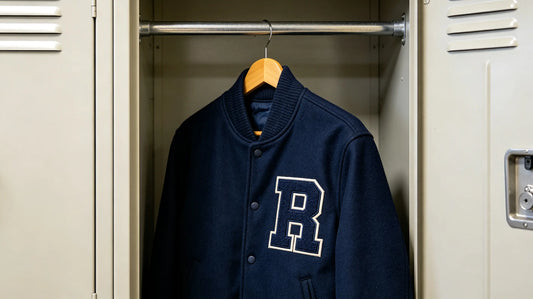
Chenille patches are made from soft, fuzzy yarn, creating a plush, retro look that’s perfect for letterman jackets, school patches, and vintage-style designs. They’re often used for sports teams, fraternities, and sororities, as the fuzzy texture adds a playful, nostalgic touch. Chenille patches are available in bold colors and can be combined with embroidered details for added depth.
Pros: Soft, plush texture, retro aesthetic, bold colors, and perfect for letterman jackets and vintage styles. Cons: Less durable than other materials, and the fuzzy texture can attract lint. They’re also not waterproof. Best Uses: Letterman jackets, school patches, sports teams, and vintage-style clothing. Many custom embroidered patches suppliers also offer chenille options for retro designs.

How to Choose the Right Custom Patches Material
Choosing the right material for your custom patches comes down to three key factors: use case, style preference, and durability needs. Here’s a quick guide to help you decide:
Consider Your Use Case
Think about where you’ll be using the patch. If it’s for outdoor gear or tactical clothing, PVC patches are the best choice for their waterproof and durable properties. For everyday casual wear or DIY projects, embroidered or woven patches work well. For premium items like leather jackets, leather patches add a touch of luxury. For vintage or school-style designs, chenille patches are perfect.
Prioritize Style & Aesthetic
Do you want a textured, dimensional look? Go for embroidered patches. Prefer a smooth, crisp design with small details? Woven patches are the way to go. Want a rugged, premium look? Leather patches are ideal. For a playful, retro vibe, chenille patches are perfect. And for bold, 3D designs that stand out, PVC patches won’t disappoint.
Think About Durability & Care
If you need a patch that lasts through frequent washes, outdoor use, or heavy wear, PVC, embroidered, or leather patches are the most durable. Woven patches are also durable but may not hold up as well to harsh conditions. Chenille patches are less durable and require more care to keep them looking their best. Always check the care instructions for your patch material to ensure it lasts.

Tips for Caring for Custom Patches (By Material)
Proper care ensures your custom patches stay in great condition for years. Here are material-specific care tips:
-
Embroidered & Woven Patches: Wash the garment inside out on a gentle cycle with cold water. Avoid high-heat dryers—air drying is best. Iron on low heat if needed, using a thin cloth to protect the threads.
-
PVC Patches: Wipe clean with a damp cloth—no need to wash. Avoid exposing to extreme heat, as it can warp the material.
-
Leather Patches: Clean with a leather cleaner and conditioner to prevent drying and cracking. Avoid getting them wet for extended periods.
-
Chenille Patches: Wash gently by hand or on a delicate cycle. Avoid rubbing the fuzzy texture, and air dry to prevent lint buildup.
No matter the material, starting with high-quality custom patches will make caring for them easier and ensure they last longer.

Final Thoughts on Custom Patches Materials
The right custom patches material can take your design from ordinary to extraordinary. Whether you’re looking for classic style, durability, waterproof performance, or a retro vibe, there’s a material that fits your needs. By considering your use case, style preference, and durability needs, you can choose a patch that looks great and stands the test of time.
Ready to create custom patches in your ideal material? Head to custom embroidered patches collections to explore all the material options—from embroidered and woven to PVC and leather. No matter what you’re looking for, you’ll find high-quality patches that bring your design to life.
FAQ (Frequently Asked Questions)
Q: Which custom patches material is the most durable? A: PVC patches are the most durable, as they’re waterproof, UV-resistant, and can withstand heavy wear and harsh conditions. Embroidered and leather patches are also very durable for everyday use. You can find durable options in all materials from trusted custom patches suppliers.
Q: Can I get custom patches in multiple materials? A: Yes! Many suppliers offer custom patches in a variety of materials, so you can mix and match based on your needs. For example, you could use embroidered patches for casual wear and PVC patches for outdoor gear.
Q: Are woven patches better than embroidered patches? A: It depends on your needs. Woven patches are better for small text and intricate details, while embroidered patches offer a textured, dimensional look. Both are durable and versatile—choose based on your design and style preference.
Q: How do I know if a material is right for my fabric? A: Most custom patches materials work with cotton, denim, and canvas. For delicate fabrics like silk or lace, opt for lightweight woven or adhesive patches. For leather, choose leather-specific patches or adhesive PVC patches. Check with your custom patches supplier for material compatibility tips.
Tags:
Previous
DIY Custom Patches: Easy Application Tips & Daily Outfit Ideas to Elevate Your Style
Next
How to Order Custom Patches: A Step-by-Step Guide from Design to Delivery