Custom Uniform Patches 2026 | Professional Guide for Work, School & Team Badges
Uniform patches are the most standardized, professional way to brand workwear, school attire, team apparel, and service uniforms. Unlike casual fashion patches, uniform badges require strict consistency, washable durability, formal aesthetics, and industry compliance.
Professional uniform patches serve three critical purposes: brand identity, team unity, and role identification. Whether you are outfitting corporate staff, security teams, medical personnel, school students, or volunteer groups, choosing the correct material, size, placement, and backing ensures your patches remain neat, uniform, and intact through hundreds of industrial washes and daily wear.
This 2026 complete professional guide breaks down industry standards for uniform patches, material selection by industry, official sizing rules, correct placement, border requirements, and long‑term durability best practices.

1. Core Standards for Professional Uniform Patches
Casual decorative patches prioritize style, while uniform patches prioritize uniformity, durability, and readability. Key professional requirements:
- Consistent sizing, colors, and positioning across all staff uniforms
- Fade‑proof color matching for official brand or school colors
- Wash‑resistant construction for repeated commercial laundering
- Clean formal borders with no loose threads or fraying
- Legible text for names, ranks, titles, and department identifiers
All professional uniform patches use standardized layouts to maintain a polished, organized team appearance.
2. Best Materials By Industry & Uniform Type
Each industry has proven material preferences optimized for its working environment and dress code.
Corporate & Office Staff Uniforms
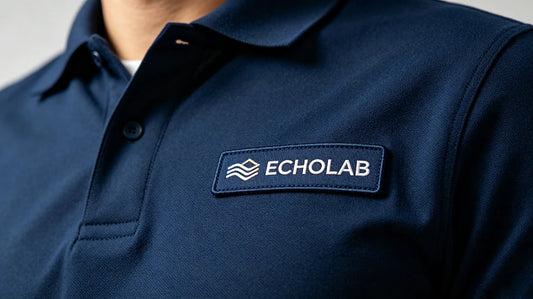
Best Choice:Woven Patches Thin, flat, low‑profile, and formal. Woven patches deliver sharp fine text and clean logo details without bulky texture, perfect for business polos, dress shirts, and corporate jackets. Maintains a subtle professional look.
Security, Police & Tactical Service Uniforms
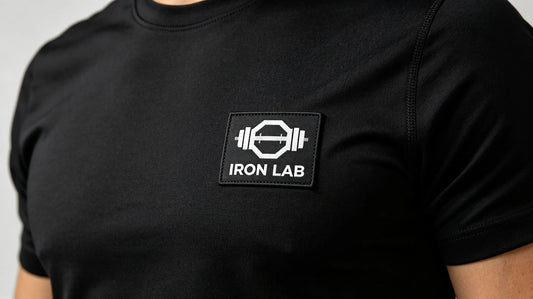
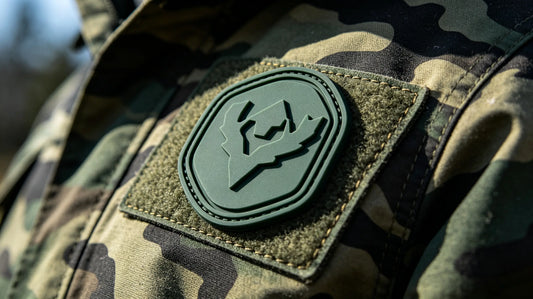
Best Choice:High‑Density Embroidered Patches + PVC Rubber Thick, durable, and authoritative. Full embroidery with merrow borders creates a classic official badge look. Waterproof PVC patches are ideal for outdoor security staff exposed to rain and dust.
Medical & Healthcare Uniforms
Best Choice:Lightweight Woven or Sublimation Patches Flat, breathable, and sanitizable. Thin patches lay smoothly under lab coats and scrubs. Heat‑sealed edges prevent bacterial buildup from fabric fraying, suitable for frequent high‑temperature industrial washing.
School & Student Uniforms
Best Choice:Standard Embroidered Patches Affordable, vibrant, and kid‑friendly. Embroidered school crests hold up to student activity, playground friction, and regular weekly laundry cycles.
Construction & Industrial Workwear
Best Choice:PVC Rubber Patches Waterproof, oil‑proof, scratch‑resistant. Rubber patches resist dirt, paint stains, and heavy abrasion on rugged work uniforms.

3. Industry Standard Uniform Patch Sizing
Professional uniforms follow fixed size guidelines for consistent placement:
- Left Chest Main Emblem (Most Standard): 2.5″ – 3.5″ wide
- Name Tag Patches: 1″ – 1.5″ tall × 3″ wide
- Rank / Title Shoulder Patches: 2″ – 2.5″ square
- Sleeve Department Patches: 3″ – 4″ wide
- Full Back Company Logo (Work Jackets): 5″ – 7″ wide
These sizes ensure balanced visibility without overwhelming the uniform fabric.
4. Official Uniform Patch Placement Rules
Standard placement creates a unified team appearance across all staff:
- Primary Crest/Logo: Left chest, centered 1–2 inches above the pocket
- Name Patches: Right chest, parallel to the left chest emblem
- Rank & Division Patches: Top of both sleeves or shoulder epaulets
- Flag & Compliance Badges: Upper sleeve outer forearm position
- Back Large Branding: Centered upper back on uniform jackets
Strict symmetrical placement eliminates uneven styling and ensures a professional uniform look.

5. Best Backing Options for Long‑Term Uniform Wear
Sew‑On (Industrial Standard)
The most reliable choice for commercial uniforms. Resists repeated high‑heat washing, industrial laundry cycles, and heavy friction. Required for medical, security, and official school uniforms.
High‑Grade Heat Seal Iron‑On
Suitable for lightweight corporate polos. Uses industrial‑strength thermoplastic adhesive. For professional use, edge reinforcement stitching is recommended to prevent peeling.
Hook‑and‑Loop
Common for tactical, security, and military uniforms. Allows quick rank and role changes without replacing the entire uniform.
6. Border Standards for Formal Uniform Badges
Merrow Overlock Edge (Official Standard)
Virtually all formal uniform crests use merrow thick stitched borders. Creates a framed, finished, authoritative look, fully seals edges against fraying, and improves wash durability. Best for shields, circles, squares, and official emblems.
Laser Heat‑Cut Edge
Reserved for custom irregular organizational logos. Used only when merrow borders cannot match the custom shape.

7. Color & Design Compliance Tips
- Use official Pantone color codes to guarantee identical coloring across all uniform batches.
- Maintain minimum 5mm text height for names and titles to ensure readability after washing.
- Avoid overly complex artwork; uniform badges require clean, recognizable designs.
- Match border thread color to uniform trim or logo primary color for a cohesive look.
8. Washing & Uniform Patch Lifespan
- Sewn uniform patches withstand 50–75 commercial wash cycles
- Woven and embroidered patches retain color and structure longer than printed styles
- Always turn uniforms inside out during laundering to reduce surface friction
- Avoid harsh bleach chemicals that break down thread and print pigments

Final Thoughts
Custom uniform patches are a critical part of professional branding and team standardization. Unlike casual decorative patches, work, school, and service uniforms require industry‑specific materials, standardized sizing, formal merrow borders, and durable sew‑on backing.
Woven patches excel for corporate and medical uniforms, high‑density embroidery suits official security and school crests, and PVC rubber delivers heavy‑duty performance for industrial workwear. By following professional sizing and placement standards, you create clean, consistent, long‑lasting uniform branding that elevates your team’s professional appearance for years.
FAQ
Q: What is the most professional patch border for uniforms?
A: Merrow overlocked edges are the industry standard for formal, official uniform emblems.
Q: What backing lasts longest on work uniforms?
A: Sew‑on backing provides maximum durability for repeated commercial washing and daily wear.
Q: What material is best for medical scrubs and lab coats?
A: Thin woven or sublimation patches are ideal, flat, breathable, and easy to sanitize.
Q: What size is standard for left chest uniform logos?
A: 2.5 to 3.5 inches wide is the universal professional chest patch size.
Q: Can uniform patches withstand industrial laundry washing?
A: Yes, sewn embroidered and woven patches are engineered for frequent commercial wash cycles.
Tags:
Previous
Denim Jacket Patches 2026 | Ultimate Guide to Custom Jean Jacket Customization
Next
Custom Name Tapes Guide 2026 | Embroidered Name Patches for Uniforms & Gear