Denim Jacket Patches 2026 | Ultimate Guide to Custom Jean Jacket Customization
Denim jacket patches are the most classic, timeless fashion customization method in the patch industry. For decades, people have styled plain, minimal denim jackets into unique, personalized pieces using layered artwork, vintage logos, hobby badges, band patches, and custom emblems.
Denim fabric is thick, sturdy, long‑lasting, and perfectly compatible with all patch materials and attachment methods. Unlike hats or backpacks, jean jackets offer huge flat surfaces on the back, sleeves, chest, and shoulders, allowing bold layouts, patch collages, and oversized statement designs.
Whether you want a minimalist single‑patch look, a vintage retro patched aesthetic, or a fully covered custom denim jacket, this 2026 complete guide will help you choose the right materials, sizes, placement positions, and attachment styles for professional results.

1. Best Patch Materials for Denim Jackets
Denim is thick cotton twill, extremely durable and rigid. All patch materials work perfectly on jean jackets.
Embroidered Patches (Most Popular)
Traditional embroidery matches denim’s rugged vintage vibe perfectly. Raised stitching creates texture contrast against flat jean fabric. Ideal for retro logos, band art, Americana designs, and classic casual styling.
Woven Patches
Thin, flat, ultra‑clean finish. Great for detailed logos, fine text, minimalist branding, and modern streetwear looks. Woven patches lay flush without bulk.
Sublimation Patches
Best for full‑color graphics, photo prints, gradients, watercolor art, and complex multi‑color designs. Perfect for artistic and creative jacket layouts.
PVC Rubber Patches
Modern, sleek, waterproof, and tough. Great for streetwear, tactical styles, and outdoor denim jackets. Rubber patches add a premium raised contrast texture.
2. Standard Denim Jacket Patch Sizing Guide
Different jacket zones require different sizing for balanced styling:
- Full Back Large Statement Patch: 5″ – 8″ (center back hero design)
- Upper Back Medium Patch: 4″ – 5″
- Chest Left/Right Small Patch: 2.5″ – 3.5″
- Shoulder Sleeve Patches: 2″ – 3″
- Forearm Sleeve Patches: 3″ – 4″
- Collarbone / Lapel Tiny Accent Patches: 1.5″ – 2″
Denim jackets have generous flat space, so you can use larger patches than hats, shirts, or backpacks.

3. Classic & Trending Patch Placement Layouts
1. Center Back Hero Patch (Most Iconic)
One large central patch on the upper back is the most traditional denim jacket style. Clean, bold, balanced, and always fashionable.
2. Dual Shoulder Symmetrical Layout
Matching patches on left and right shoulders creates a clean uniform aesthetic, popular for team jackets, club uniforms, and brand merch.
3. Chest Minimal Single Patch
One small custom patch on the left chest pocket area for subtle, minimalist styling.
4. Full Sleeve Patch Stack
Vertical stacking of multiple small patches down the outer sleeve for a busy, artistic streetwear look.
5. Vintage Patch Collage (Trending 2026)
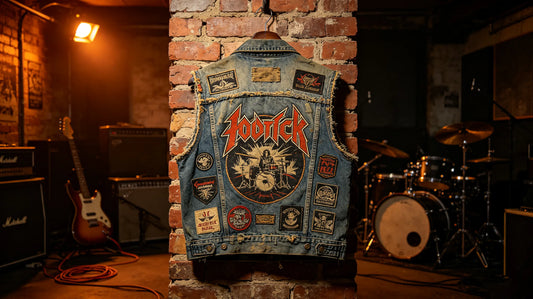
Mixing different sizes, shapes, and themes across the entire back panel for a retro thrifted custom aesthetic.

4. Best Attachment Methods for Denim Jackets
Sew‑On (Professional Permanent Look)
Strongly recommended for denim. Thick denim fabric holds stitches perfectly. Sewn patches will never peel, even after years of washing and wearing. Ideal for long‑term jacket customization.
Iron‑On (Fast DIY Style)
Great for quick styling. Denim can handle high heat, making iron‑on one of the most reliable heat‑seal applications. Pro tip: Reinforce edges with hand stitching to prevent long‑term peeling.
Hook‑and‑Loop
Less common for fashion denim, but perfect if you want to swap designs seasonally on your jacket.

5. Design Styling Tips for Pro‑Level Denim Customization
- Mix textures: Pair thick embroidery with flat woven patches for visual depth.
- Match color tones: Keep your patch palette cohesive for a high‑end styled look.
- Avoid overcrowding center back if using one large hero patch.
- Use rounded corners for sleeve patches to prevent catching during arm movement.
- Wash your denim jacket first before applying patches to avoid shrinkage shifting.
6. Washing & Long‑Term Durability Tips
- Denim can be machine washed safely with sewn patches
- Iron‑on patches last longer on denim than any other fabric
- Turn jacket inside‑out during washes to protect patch texture
- Avoid high heat drying for heavily patched areas

Final Thoughts
Denim jackets are the ultimate canvas for custom patches. Their thick, stable fabric works with every patch material, size, and attachment style. Whether you prefer a clean minimalist single chest patch, a bold large back logo, or a full vintage collage layout, custom patches transform ordinary denim into one‑of‑a‑kind wearable art. For permanent professional results, always choose sew‑on attachment; for fast DIY styling, iron‑on works perfectly on sturdy jean material.
FAQ
Q: What size patch is best for the back of a denim jacket?
A: 5–8 inches is the standard hero patch size for center back placement.
Q: Do iron‑on patches stay well on denim?
A: Yes, denim’s thick cotton texture holds heat‑seal glue extremely well compared to other fabrics.
Q: Can you mix different patch styles on one jacket?
A: Absolutely, mixing embroidered, woven, and printed patches creates unique layered fashion texture.
Q: Should I wash my denim jacket before adding patches?
A: Yes, pre‑wash prevents fabric shrinkage from shifting your patches later.
Q: Are denim jacket patches permanent?
A: Sewn patches are permanent; iron‑on patches are semi‑permanent and last years with proper care.
Tags:
Previous
Custom Woven Patches 2026 | Ultimate Guide to High‑Detail Low‑Profile Badges
Next
Custom Uniform Patches 2026 | Professional Guide for Work, School & Team Badges