Embroidered Patches vs Printed Patches: Full Difference Guide
When ordering custom patches for jackets, backpacks, caps, team uniforms or club apparel, the first big choice you face is: embroidered patches or printed patches?
Both styles are popular, but they differ greatly in texture, durability, design performance, wash resistance and suitable scenarios. Understanding their core differences will help you avoid choosing the wrong type and wasting money.
If you want premium quality custom work, order your perfect style with our custom embroidered patches.

1. Texture & Visual Feeling
Embroidered Patches
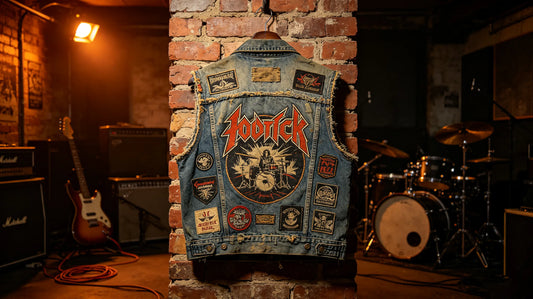
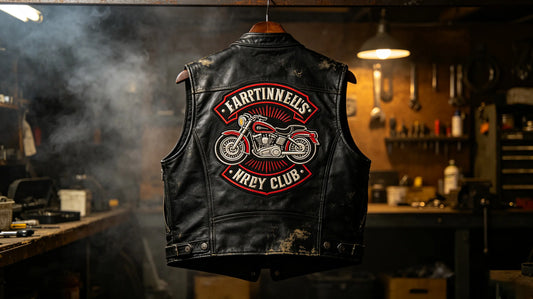
Made of dense embroidery threads, with obvious 3D raised texture. The edge is stereoscopic, tactile and high-end, with a classic craft sense. It looks more premium and fits streetwear, motorcycle clubs, military and retro styles perfectly.
Printed Patches
Pattern is printed flat on fabric surface, no raised texture. The surface is smooth and flat, more lightweight, simple and low-profile in visual effect.

2. Design & Detail Performance
Embroidered Patches
Suitable for simple logos, text, animal patterns, badge-style designs. Too many tiny lines, gradient colors and complex portraits will be blurred and cannot be restored perfectly due to embroidery thread limits.
Printed Patches
Perfect for complex patterns, portraits, gradient colors, tiny text and intricate artwork. It can restore every detail 1:1 without distortion, ideal for fine illustration and photo-style designs.

3. Durability & Wash Resistance
Embroidered Patches
Extremely durable. Embroidery threads are tightly woven, resistant to repeated washing, not easy to fade or fall apart. Suitable for long-term use on daily clothes and frequent laundry.
Printed Patches
Printed surface may gradually fade or peel off after long-term repeated washing. Not suitable for garments that need frequent high-frequency cleaning. Better for decorative use on backpacks, bags and hats with low washing frequency.

4. Comfort & Thickness
Embroidered Patches
Thicker and harder, with strong three-dimensional sense. Large full-embroidered patches may feel slightly stiff when attached to tight clothes.
Printed Patches
Ultra-thin and soft, fit closely to clothing fabric, no bulky feeling. More comfortable for wearing on tight hoodies, thin T-shirts and casual everyday outfits.
5. Price & MOQ
Embroidered Patches
Higher cost, price increases with embroidery coverage and size. More cost-effective for classic logo and badge designs.
Printed Patches
Lower unit price, cheaper for complex full-color designs. Small batch customization is more budget-friendly.

6. Best Suitable Scenarios
Choose Embroidered Patches if you need:
- Motorcycle clubs, team logos, military-style badges
- Denim jackets, tactical jackets, back large patches
- Work uniforms, school team costumes
- Long-term use and frequent washing
- Retro, streetwear, high-end texture style
Choose Printed Patches if you need:
- Complex illustrations, portraits, gradient art
- Tiny detailed patterns and multi-color designs
- Decorate backpacks, tote bags, hats with rare washing
- Lightweight, flat and low-profile decoration
Quick Summary Table
- Texture: Embroidery 3D stereoscopic | Print flat smooth
- Detail: Embroidery simple logo | Print complex gradient
- Durability: Embroidery washable & long-lasting | Print easy to fade over time
- Comfort: Embroidery thicker stiff | Print thin soft
- Style: Embroidery retro premium | Print fashion delicate
Final Thoughts
Embroidered patches win on texture, durability and high-end feeling, while printed patches excel at complex details and budget-friendly cost.
If you prefer classic, durable and stereoscopic craft style, go with embroidered patches. If your design has rich gradients and tiny details, printed patches will be the better match.
Tags:
Previous
10 Creative Ways to Style Custom Embroidered Patches in Daily Life
Next
Iron On Patches vs Sew On Patches: Which Is Better